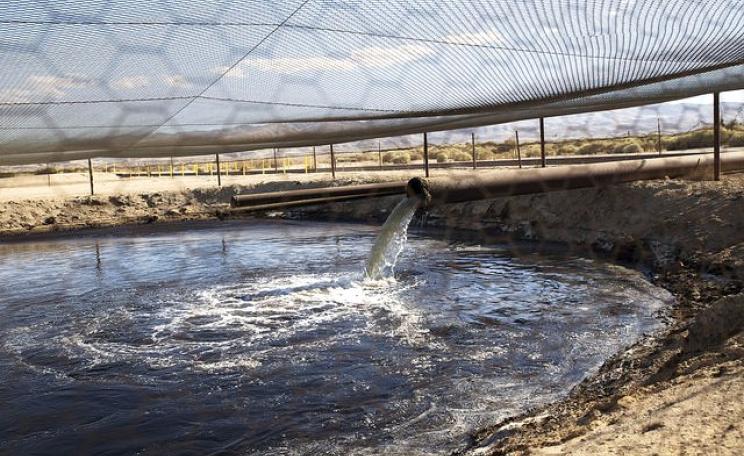
House prices could fall 7% near fracking rigs, according to the 'secret' Defra report on fracking in rural areas, only published in full after a legal battle, while leakage of waste water could damage human health and contaminate food.
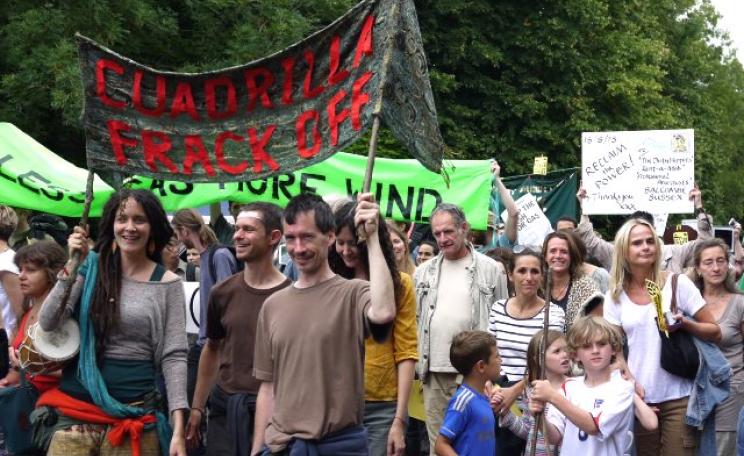
In a dramatic decision this morning, Lancashire county councillors voted 9:3 to reject Cuadrilla's planning application to frack at Preston New Road, defying the warnings of their own planning officers.
Independent legal advice shows that Lancashire councillors can refuse Cuadrilla's application for planning permission to frack at the Preston New Road site in Lancashire - contrary to advice from the Council's officers.
As Lancashire councillors prepare to decide the planning application to frack in the county, writes Kyla Mandel, the UK's transparency watchdog has ordered the government to publish in full a report on the impacts of fracking, previously published only in a heavily redacted version.
As Lancashire planners come out in support of the UK's first fracking well, Jojo Mehta has something to celebrate: the resounding success of the 'What does FRACKING mean?' leaflets she crowd funded for in April. So far 80,000 have gone out to campaigners and volunteers all over the UK, and requests for more are piling up.
A consistent pattern is emerging in the UK government's plans and policies, writes Paul Mobbs: the stripping away of human rights and freedoms; the detachment of public institutions from democratic accountability; an increase of the powers of the state; and the empowerment of corporations at the expense of people. We must act to preserve our liberties, while we still can.
Emboldened by the Tory election victory and the appointment of Amber Rudd as energy Secretary, writes Ben Lucas, planning applications to frack have been coming in thick and fast - even in densely populated London boroughs.
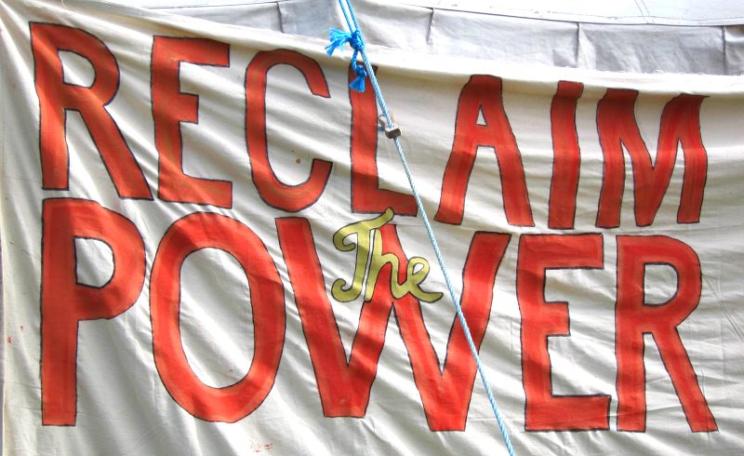
Hundreds of campaigners are gathering at Didcot Power station in Oxfordshire to demand a green energy future - and an end to the Government's relentless push for fossil fuels and nuclear power, writes Diêgo Lôbo. Preparations are under way for a series of actions due to take place tomorrow, Monday 1st June.
Shale gas advocates say we must open up the UK to fracking to reduce our dependence on Russian gas, writes Tony Bosworth. But why not just burn less of the stuff? Energy efficiency and renewables can achieve the same aim without the adverse impacts on land, water and climate.
The fracking boom has caused massive vegetation loss over North America's rangelands, writes Tim Radford, as 3 million hectares have been occupied by oil and gas infrastructure and 34 billion cubic metres of water have been pumped from semi-arid ecosystems.
Nicola Sturgeon secretly met with pro-fracking firm Ineos on the very same day that Scotland announced its shale gas moratorium, writes Kyla Mandel - giving rise to fears of a under-the-table stitch-up.
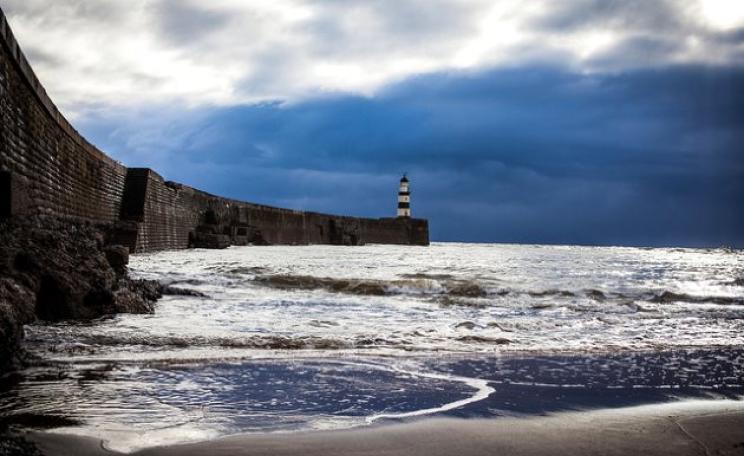
After over a century of coal ash and colliery waste dumping, the Tyne and Wear coastline is no stranger to industrial pollution. But soon a horrific new technology - underground coal gasification (UCG) - will endanger human health and the environment, backed by unflinching Government support and generous lashings of taxpayers' money.
Medact, the organization of health professionals for a safer, fairer and better world, has called for a five year moratorium on fracking due to its serious hazards to public health, writes Paul Mobbs. Their new report is a powerful challenge to government policy that cannot be ignored.
High ranking academics have issued a stark warning to policy makers on the future of Britain's shale gas - your best bet is that we have none that can be recovered consistent with policy objectives.
Edelman, the global PR group, has a history of aggressive 'consent engineering' for the fossil fuel industry in North America, writes Paul Mobbs. So what are they doing running 'impartial' UK bodies including a Parliamentary group on unconventional oil and gas, and the 'independent' Task Force on Shale Gas? Are they really US-style 'astroturf' bodies designed to fool us all?
Deep in the Algerian Sahara, the oasis town of Ain Salah is a focus of opposition to a new wave of fracking, with violent confrontations between police and up to 40,000 protestors, writes Alexander Reid Ross. They have two main concerns: preventing pollution to the aquifer that sustains them, and keeping out foreign oil giants like Total and Halliburton.
The rushed passage of the Infrastructure Bill with all its pro-fracking provisions and toothless 'safeguards' is an abuse of democracy. And as it's manifestly against the national and public interest, it's also in breach of both MPs' and Lords' legally binding Codes of Conduct. Now Jojo Mehta intends to hold them to account - in Court.
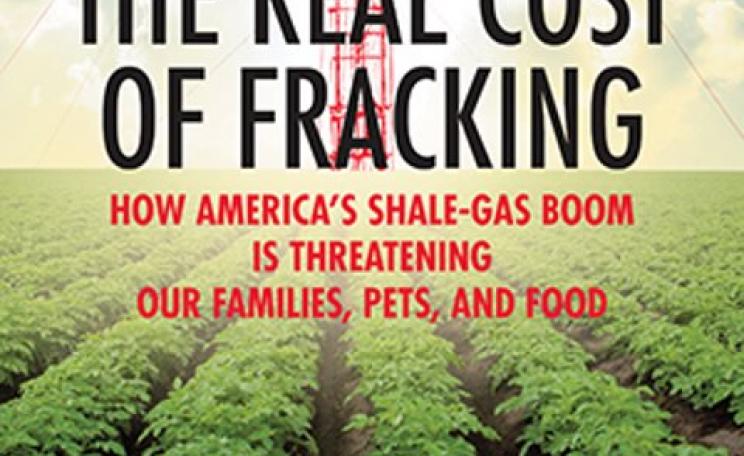
America's shale gas boom threatens families, pets, and food, writes Allison Wilson. Fresh from her reading of 'The Real Costs of Fracking', she finds a host of adverse health impacts on those living near fracking sites, the toxic pollution of the food chain, and a wall of corporate and official secrecy.
Montana legislators have brushed off the attempts of farmers, ranchers and landowners to effect 'zoning' regulations to protect them, their land, their water and their livestock from the toxic impacts of fracking. Now they say: 'See you in Court!'.
The UK fracking company Cuadrilla has collapsed in value as a result of falling oil and gas prices, popular protests and growing political opposition, writes Brendan Montague. Now investors are having to write off hundreds of millions they sunk into the industry.
This week the Welsh Assembly voted for a moratorium on fracking. But IGas company bosses insist that the Welsh Government is powerless to stop them pushing ahead with test drilling plans - as all the key decisions are made in Whitehall.
The latest version of the Infrastructure Bill released today has been amended to avoid defining the areas that will be protected from fracking, leaving that to 'regulations' to be pushed through after the general election. So if the Tories win, get ready for fracking everywhere!
Faced with climate change, economic doldrums and collapsing oil prices, the government has the perfect opportunity to put Britain on the right track, write Simon Bullock & Tony Bosworth - reduce our dependency on fossil fuels, and invest in renewables and efficiency. So what's it actually doing? The exact opposite.
Nebraska has become ground zero for the fight against Keystone XL, and Art Tanderup - farmer and retired schoolteacher - has become a leading voice in the struggle. He spoke to Kate Aronoff about the divisive impact of the pipeline on the local community, threats to the Ogallala Aquifer, and the urgent need to shift to clean, renewable energy sources.