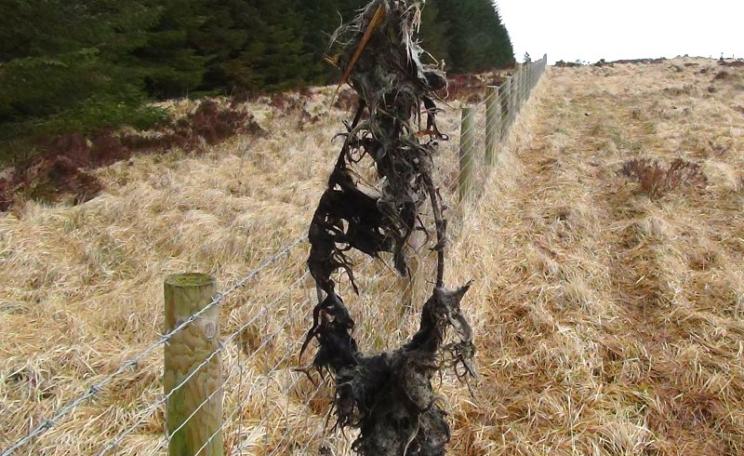
Snares are one of humankind's earliest inventions, writes Bill Oddie, once essential to our survival as hunters. But their modern use by gamekeepers seeking to protect game birds on shooting estates from predators is a cruel and barbaric practice, with most of the victims non-target species like hares, badgers and deer.
Lacking an official body to investigate and prosecute illegal cruelty to wildlife a unique charity, the RSPCA, took on that role almost 200 years ago, writes Lesley Docksey. But now it has ruffled high-ranking feathers by pursuing cases of illegal fox-hunting, and has been forced to leave prosecutions of such cases to the Crown Prosecution Service. But will the CPS do its job?
If we are ever to bring bovine TB under control in Britain's cattle herd, we must begin with the main disease reservoir, writes Tom Langton: the cattle themselves. The insistence on culling badgers has little to do with disease control, and everything to do with the short term economics of the beef and dairy industries, unwilling to sacrifice an iota of production in the interests of a real solution.
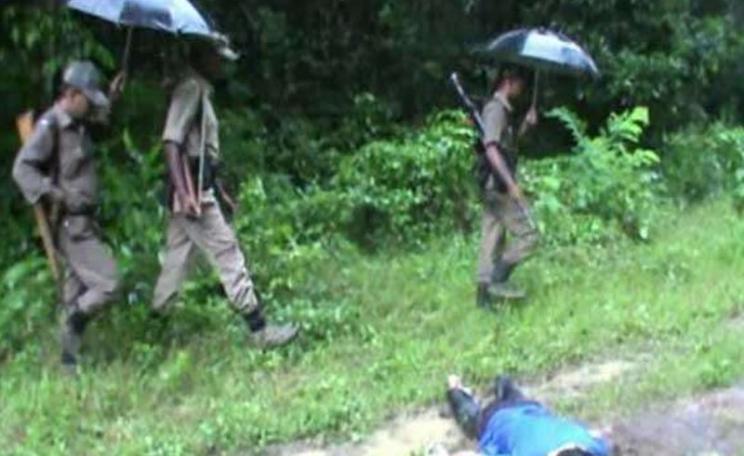
The endangered Bengal Tiger and One-horned Rhino desperately need protection, writes Lewis Evans. But in India's Kaziranga National Park, 'fortress conservation' includes a brutal 'shoot on sight' policy that is terrorising local communities, many of them tribal. Indigenous peoples are the natural allies of conservation and need to be engaged in constructive solutions - not shot!
Why do we humans resort to shooting, whenever a challenging problem confronts us? Whether it's culling badgers to protect hedgehogs, or renewing the Trident missile threat with expensive upgrades, our species seems determined to upset the balance of nature and harmony on Earth by shooting first - and never asking the questions at all.
Documents released to Wildcat Haven reveal the secret plans of the Scottish Wildcat Action Plan - funded by taxpayers and the National Lottery - to kill trapped feral cats by shooting them in the head with shotguns. Public documents mention only neutering, successfully carried out by Wildcat Haven to protect pure wildcat populations.
The dolphin drive hunts in Taiji, Japan have officially ended for the season, writes Ric O'Barry, however the offshore pilot whale hunt continues until the end of May. After a particularly brutal year, which culminated in my arrest and deportation from Japan, we at Dolphin Project will continue our crucial work to end the annual barbarity of cetacean killings and captures.
North American buffalo are officially 'vulnerable to global extinction', writes Louise Willcox, yet the US National Parks Service and Montana are intent on their wholesale slaughter. In place of a complete ecosystem with wild-roaming buffalo and grizzly bears, wildlife managers are systematically favoring the over-abundant elk that drive the politically powerful hunting industry.
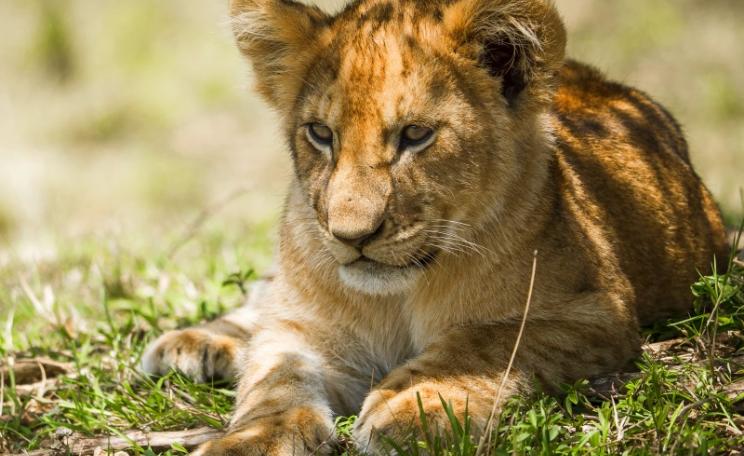
The conflict between lions and Africa's cattle herders goes back centuries, write Grant Hopcraft and Sara Blackburn - and lions have been the big losers in recent years. But where local people benefit from ecotourism, that ancient enmity can quickly be set aside. 'Community conservancies' around formal protected areas are helping both lions and indigenous communities to survive and thrive.
Media furore over the shooting down of a helicopter in Tanzania masks a bigger picture of commercial hunting and evictions of indigenous tribes in the name of wildlife, writes Navaya ole Ndaskoi. It's time to rethink 'white saviour' mythology and develop new models of conservation that respect and engage with African communities, recognise their achievements, and inspire a new generation of conservation heroes.
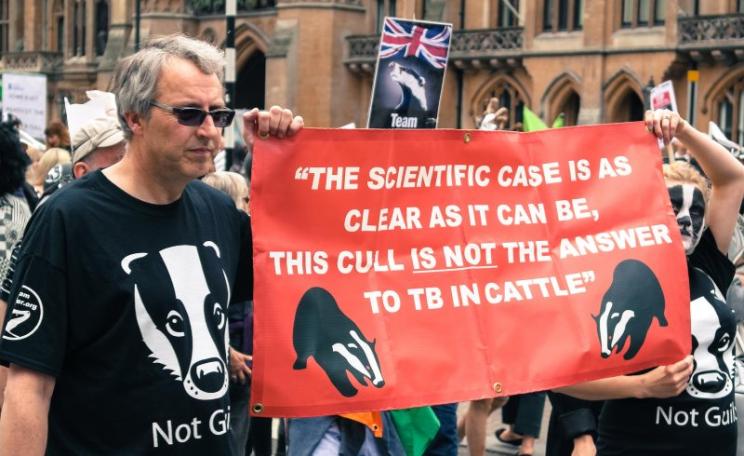
With 29 applications for new badger culls, writes Lesley Docksey, the government still has no idea how many badgers there are in the cull areas, or how many of them have TB. Nor does it want to find out. The badger culling project is getting less scientific by the day - or should that be by the square kilometre?
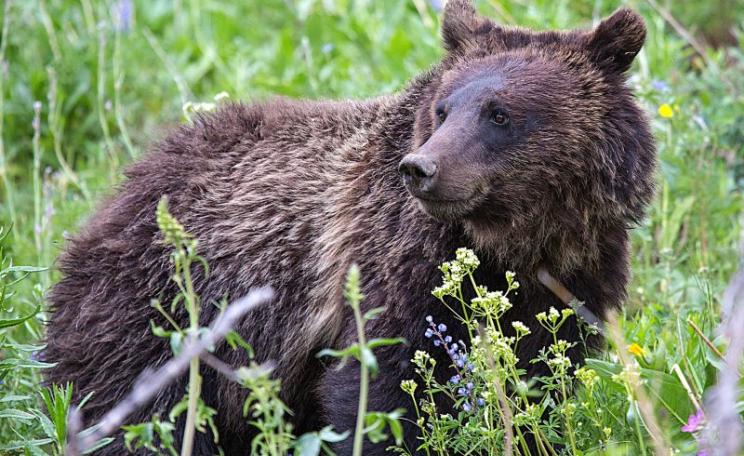
As the movement to 'delist' Grizzly bears from protection under the Endangered Species Act gathers pace in US states and the Fish & Wildlife Service, two National Park superintendents have spoken out for the bears', writes Louisa Willcox. The hunters and the FWS may be furious, but the change of approach enjoys strong support from a public who have come to love their local bears.
The over-hunting of wildlife in the Amazon has an unexpected knock-on effect: the reduced seed dispersal reduces the forest's capacity to store carbon in its biomass, increasing emissions from apparently 'intact' rainforest areas.
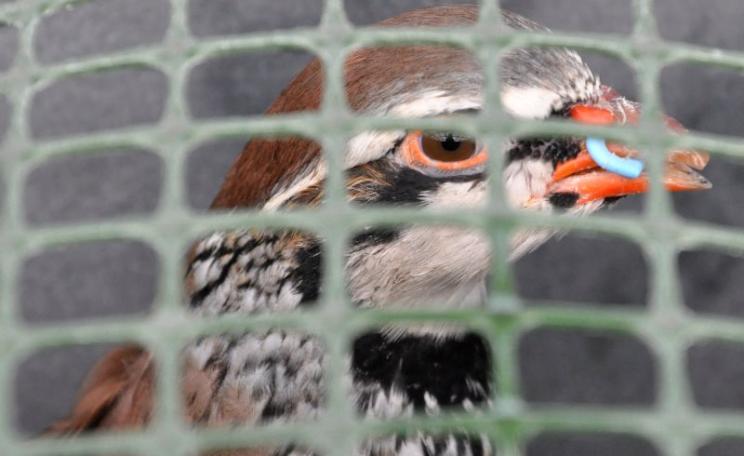
Forget pear trees. Today's partridges are unlikely to have seen much beyond the barren confines of their cages until they are released to be shot, writes Toni Shephard. A new investigation by the League Against Cruel Sports reveals that thousands of partridges will spend Christmas, like every other day, imprisoned on the farms that supply shooting estates.
The fox-hunting season is now well under way, writes Toni Shephard. But with Cameron still pressing for a Commons vote on wrecking amendments to the Hunting Act, political controversy shows no sign of subsiding. Take, for example, the proposed lifting of the limit on number of dogs that can be used for the 'observation or study' of a wild mammal.
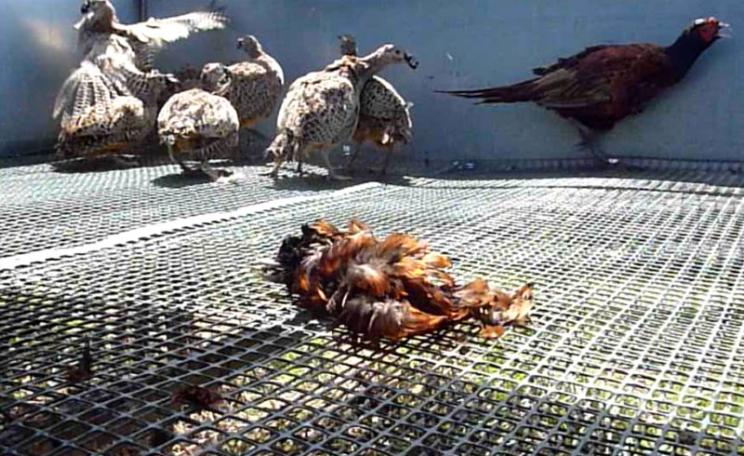
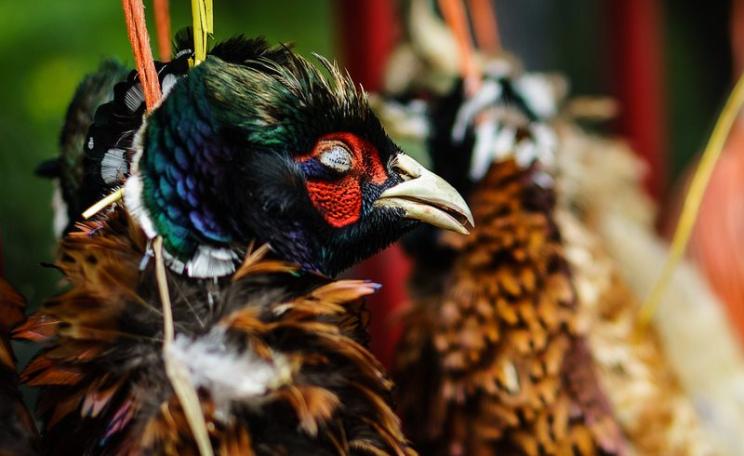
This is the first day of the pheasant shooting season, writes Toni Shephard. But put bucolic ideas of happy birds running around in the wild woods out of your mind. Most of the birds coming under shotgun fire today have only just been released from overcrowded factory farms. Even in death they have no dignity: most are not even eaten, but end up dumped in makeshift pits.
Defra's new £500,000 report on pheasant and partridge breeding is biased towards commercial shooting interests from start to finish, writes Toni Shephard. It purports to study the welfare of captive birds reared in restrictive cages, but fails to compare their lot to that of free-range birds - the only adequate baseline.
The government's decision of extend the badger cull to Dorset, and persist with the Somerset and Gloucestershire culls, is 'completely irrational', say badger protection groups - and now they intend to prove it in a High Court legal action, forcing an end to the killing.
There is widely held belief that there' only one way to protect rhinos, elephants and other endangered species poached for the international wildlife trade, writes Douglas MacMillan: a complete trade ban. But it's a dangerous misconception. By raising prices and engaging criminal networks, bans speed up extinction rather than preventing it.
Giraffe numbers have fallen from 140,000 in 16 years to just 80,000, writes Matt Hayward, and sub-species in East and West Africa are close to extinction. However trophy hunting has led to big population increases in private game reserves in southern Africa. To secure the giraffes' future, beware of simplistic narratives.
The Faroe Islands' annual 'grindadráp', in which hundreds of pilot whales are slaughtered with knives and hooks, is a horrifying spectacle, writes David Lusseau. But unlike industrial whaling it poses no threat to the species. And is it really any worse than the industrial factory farming that we routinely ignore?
Hundreds of pilot whales were slaughtered in Faroes waters last week alone, writes Captain Paul Watson. But in 2011 no whales were killed while Sea Shepherd vessels patrolled. The difference? Since 2014 the Royal Danish Navy has defended the whale hunt.
Last week David Cameron backed down over his plans to bring back fox hunting by 'fatally amending' the Hunting Act, writes Dominic Dyer. The way he spun it, it was all about SNP interference in English law, but the real problem was opposition within the Conservative Party, which increasingly sees blood sports as a barbaric relic that alienates voters of all persuasions.
This year's 'Grind' in the Faroe Islands was as bloody as ever, writes Captain Paul Watson, who witnessed the slaughter of a pod of 22 pilot whales with vicious hooks and long knives. If Denmark wants to be considered a 'civilised' nation, it must stop its aggressive support for the cruel and barbaric tradition.