Next Tuesday MPs will be voting on an 'amendment' to the Hunting Act that outlaws fox hunting and other cruel sports, writes Robbie Marsland. But its effect would be to make the law a dead letter - so full of holes as to permit the return of full-blown hunting with dogs. MPs must vote down this 'repeal by stealth'.
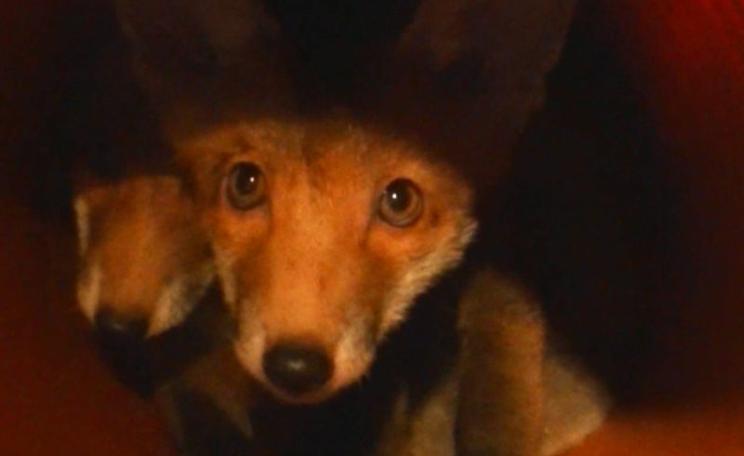
The discovery of a secret 'fox farm' apparently linked to the Middleton Hunt exposes the lie that is used to justify fox hunting, writes, Dr Toni Shephard: that it's a legitimate means of wildlife control. On the contrary, foxes are deliberately fattened up for the kill, also indicating possible violations of the 2004 Hunting Act, which prohibits the hunting of wild animals, including foxes, with dogs.
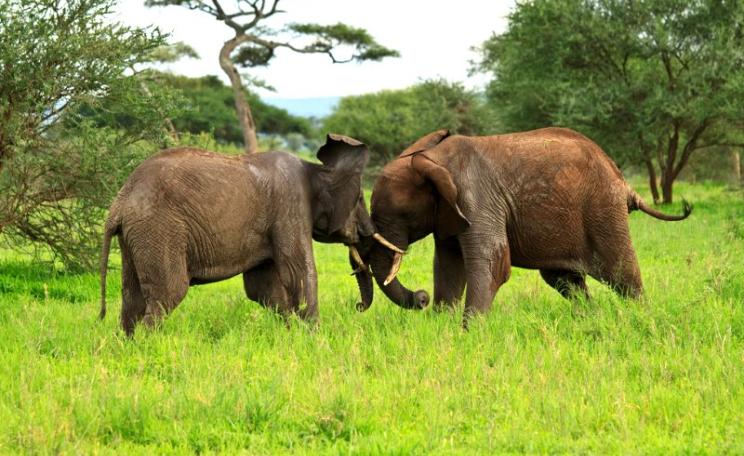
After six months of denial Tanzania has finally admitted that its elephants have suffered a catastrophic 60% decline in five years. But they still refuse to accept it's caused by poaching for ivory, rampant corruption and 'above the law' smuggling networks.
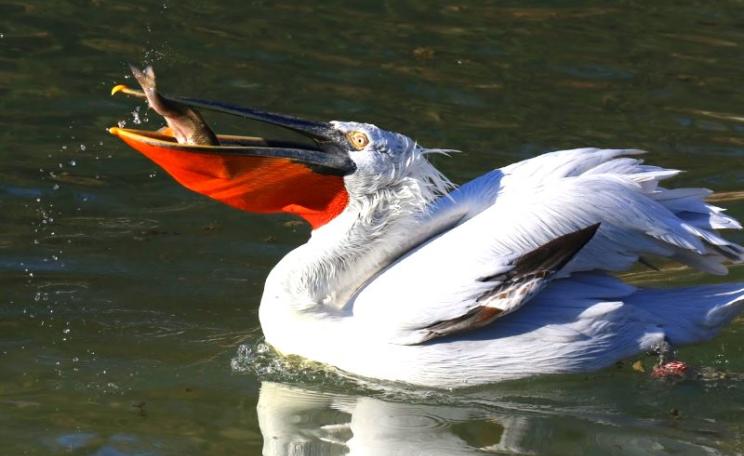
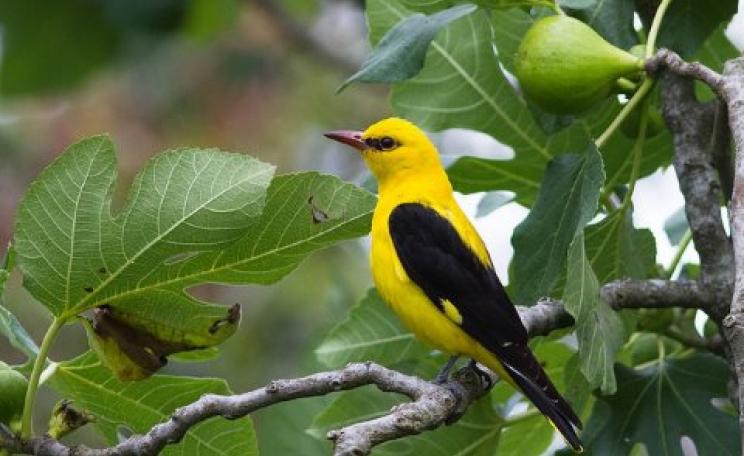
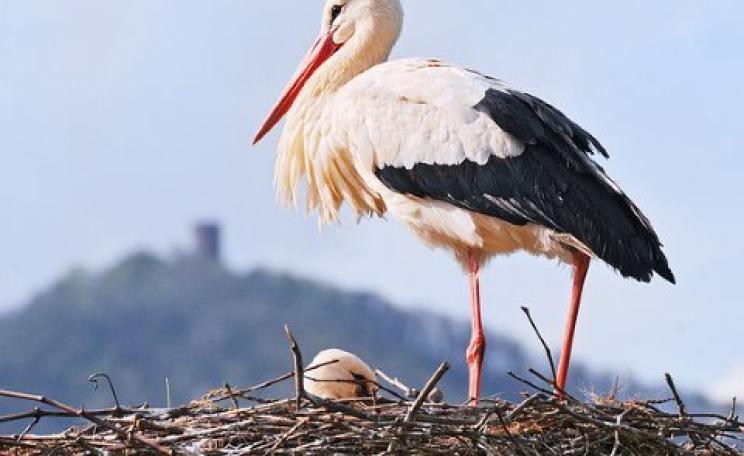
Conservation projects have pulled several endangered European birds back from the brink of extinction, but habitat loss, industrial farming, over fishing and climate change all represent growing threats that requires broader and deeper change in the EU and beyond.
Fresh from his surprise election victory, David Cameron is facing calls to expedite a 'free vote' in Parliament to repeal the law that forbids hunting with dogs, writes Chris Pitt. We must make sure our MPs vote to protect wild animals from the horrendous cruelty that resumed hunting would inflict on them.
A 'summer of protest' is brewing as campaigners vow to protect seals from shooting by salmon farmers in Scotland and managers of wild salmon fisheries, writes Dominic Dyer. The RSPCA's 'Freedom Food' system is driving animal welfare advances on salmon farms - now the model must be extended to wild salmon.
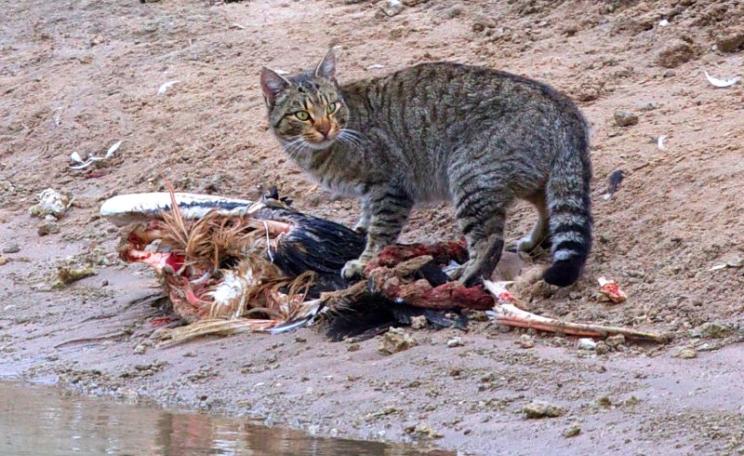
A study of feral cats in Tasmania shows that culling them to reduce their impact on native wildlife had a paradoxical effect - their population went up! If you can't take 'pest' animals out faster than they can reproduce and move in from nearby areas, writes Christopher Johnson, you're better off not bothering at all.
Two thirds of Africa's lions have been lost in 35 years, and would-be hunters are increasingly shooting captive, farmed and often tame lions in 'canned hunts'. Claims are that this helps to preserve wild lion populations - but Dominic Dyer fears the reverse is the case.
The illegal killing of songbirds on the UK's military base on Cyprus has reached record levels, a study by RSPB has shown, with an estimated 900,000 birds trapped, killed and eaten in autumn 2014.
Last November Tanzania's President Kikwete tweeted his promise that the evictions of indigenous Maasai people and their villages near Serengeti National Park would stop. But now another round of evictions is under way: thousands of Maasai have been evicted at gunpoint and their homes burnt to ashes. The Maasai say: 'We need your help!'
'Conservation' is destroying those who've nurtured their surroundings for timeless generations, writes Stephen Corry - the Indigenous Peoples who have actually fashioned those precious places that we now mistake as 'natural'. It's time for a new conservation ethic that recognizes them as senior partners - not as 'squatters'' and 'poachers' to be evicted and criminalized.
Using new technologies to take on poaching in Africa is reaping big dividends, writes Thomas Snitch. Where drones are deployed as part of an integrated package of measures, poachers quickly give up. The trouble is, they move to other unprotected locations. So we must extend the program to all of Africa's most at-risk areas.
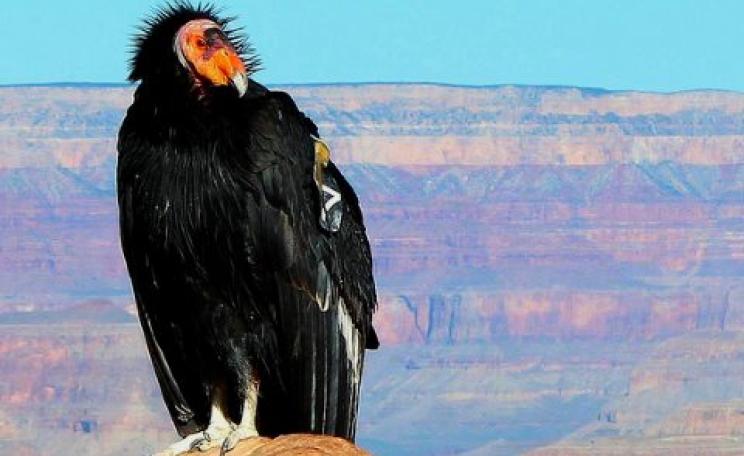
The recent death of Ventana the condor in Los Angeles zoo illustrates a simple truth, writes Dawn Starin: wild condors cannot survive so long as the dead amimals they eat are riddled with lead from spent ammunition. With lead poisoning to blame for 60% of condor deaths, it's time to ban lead ammunition across their entire range - and beyond.
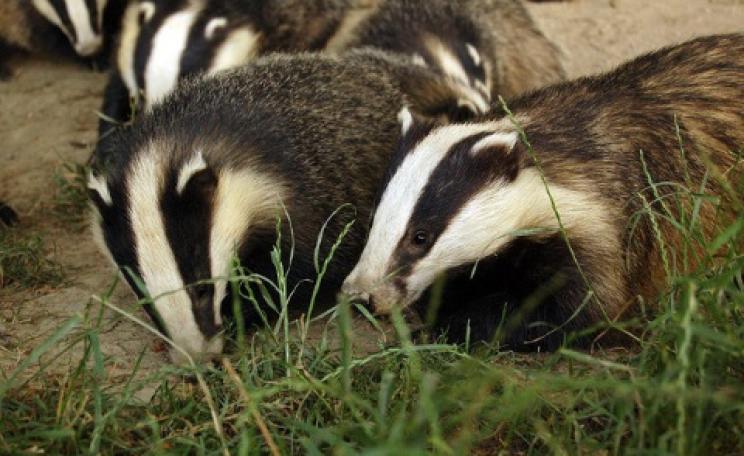
Sneaked out shortly before MP's Christmas recess, the Government's decision to 'carry on culling' badgers with no evidence that the slaughter is reducing the incidence of bovine TB is a travesty of process, writes Lesley Docksey. But it does have one useful outcome - it has exposed Defra's claims that the cull is 'science-led' as arrant nonsense. Science never even got a look in.
England's 2014 badger cull has failed to meet key targets for effectiveness with such low numbers of animals shot that TB spread is likely to be increased. But Defra boss Liz Truss insists the cull will go on regardless.
England's 2015 trial badger cull will be moved to summer, writes Damian Carrington - when cubs are numerous and easy to shoot. The surprise move follows 2014's failed autumn culls, which missed their minimum kill targets.
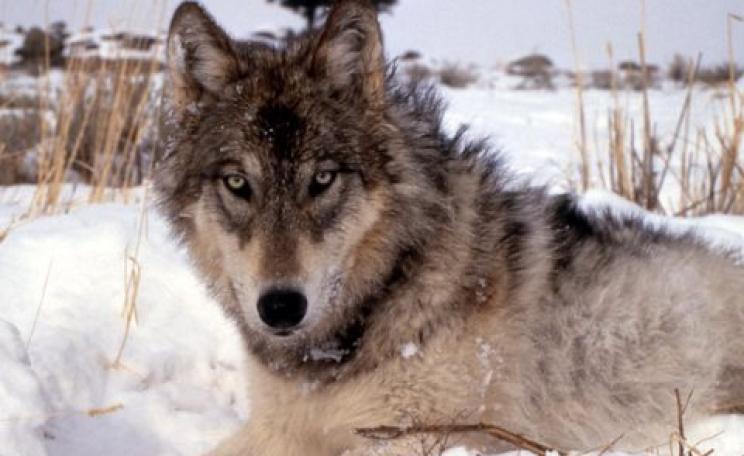
Farmers who shoot wolves and other predators to save their animals from predation are actually having the opposite effect, writes Niki Rust. The disruption that killing predators has on the stability of their families and packs actually causes more, not less predation. Ultimately, we're better off learning to live with predators.
From the creation of the very first national parks and game reserves, 'conservation' has always been about repressing and expropriating indigenous tribes, Survival International director Stephen Corry told Alice Bayer. And despite all the evidence that indigenous peoples are the best wildlife managers, old attitudes die hard ...
For nearly 30 years, Gil Fortes was a hunter of Cabo Verde's shearwater chicks, helping to drive the bird to the brink of extinction. But following a life-changing rethink, he and his daughter Isabel (Bella), are now at the forefront of efforts to save the shearwater and rebuild its perilously low numbers.
Two new international agreements will help to save migratory birds from hunting, trapping and poisoning, and to protect their long-distance flyways. A key objective is to phase out lead shot within three years, and eliminate the toxic drug diclofenac.
Ebola and many other diseases have their origin in wild animals, writes Robert Young. The biggest opportunities for infection arises when people hunt and eat diseased animals, exposing themselves to their viruses and bacteria. To keep 'other ebolas' at bay, we must put an end to the bushmeat trade.
The repeated burning of England's upland moors - carried out so more grouse can be reared for lucrative shooting parties - is seriously damaging a unique and valuable ecosystem, writes Paul Brown - destroying ages-old peat, reducing its capacity to retain water, and releasing megatonnes of carbon to the atmosphere.
Shocking events have taken place in Malta as hunters - angered by a temporary closure of the bird-shooting season - attacked bird watchers, writes Steve Micklewright. But with a Maltese politician taking on the role of Environment Commissioner, the real battle lies ahead: the survival of the Birds Directive.
In a rare 'summary judgment' a federal court has ruled that the devolution of gray wolf protection to the state of Wyoming was unlawful because it was based on non-binding assurances. Federal protection is restored - for now. But an even bigger battle lies ahead.