A palm oil company's 'forest conservation' programme in Indonesia has ended up being a second land grab, writes Marcus Colchester - seizing resources from local communities' control.
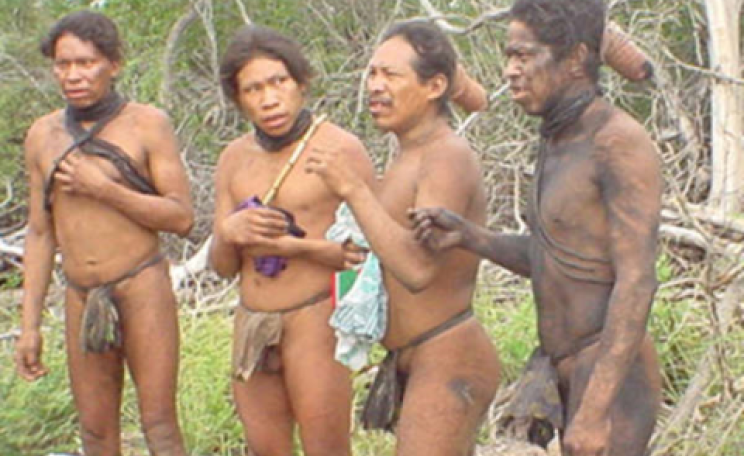
A new scientific study has revealed that Paraguay's Chaco forest - the last refuge of the uncontacted Ayoreo tribe - is being devastated by the world's highest rate of deforestation.
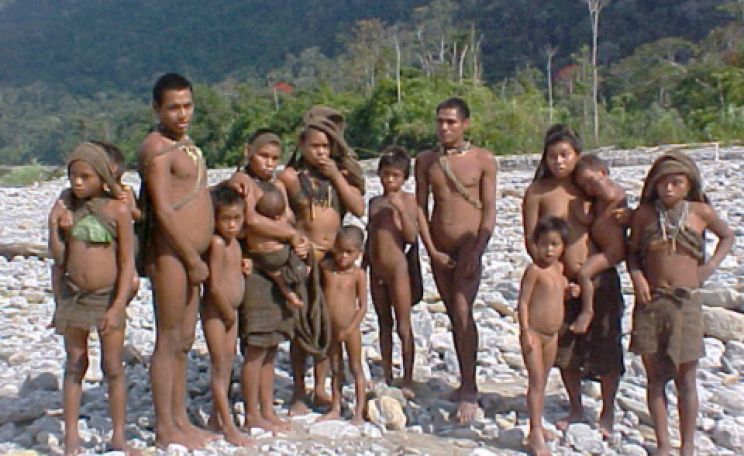
Amazon tribes in Peru's rainforest are at risk of 'massive deaths' from new diseases to which they lack immunity, gas company Pluspetrol admits - as it tries to expand its Camisea gas project into a Reserve for isolated indigenous people.
Peru is to expand its Camisea gas project although it threatens uncontacted Amazon tribes with extinction, reports David Hill. The decision also ignores UN pleas to stop the operations.
The Kenyan government has sent troops to the Embobut forest to forcefully - and illegally - evict thousands of its indigenous inhabitants, to make way for a World Bank-financed 'Natural Resource Management Project'.
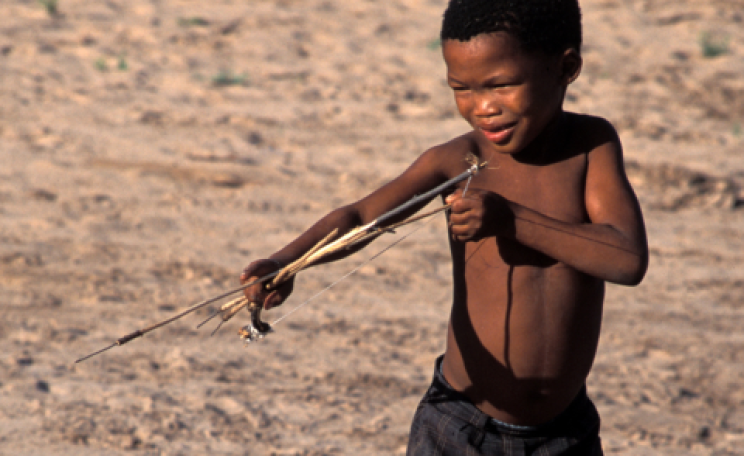
Representatives of the Basarwa or Bushman peoples of Botswana will make 2014 the year to step up their fight to end structural oppression of their communities. Joanna Eede reports ...
This month in Sumatra, Indonesia, 1,500 armed men demolished four indigenous villages and displaced inhabitants who were not willing to surrender their land to a palm oil company.
Apartheid may have fallen in South Africa. But in Australia John Pilger finds an equally cruel and pervasive racism against the country's 'aboriginal' people. He explains the background to his powerful new film, Utopia ...
India’s Dongria Kondh tribe have rejected plans by mining giant Vedanta Resources for an open-pit bauxite mine in their sacred Niyamgiri Hills. Although the decision is not yet final, the case has been hailed as an unprecedented triumph for tribal rights ...
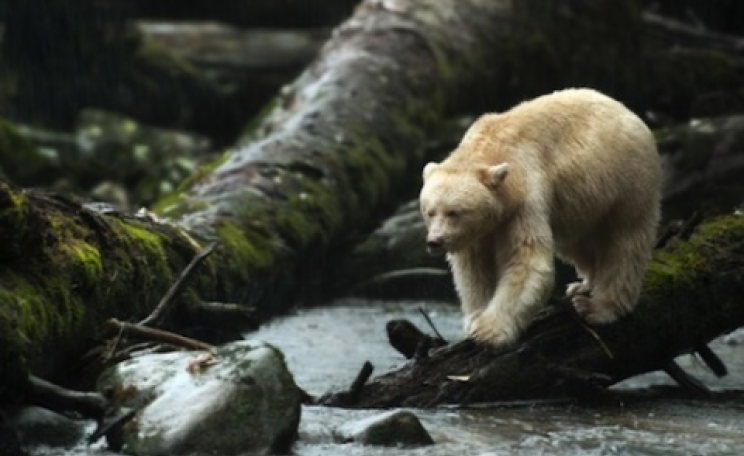
Poet Lorna Crozier vists the Great Bear Rainforest in BC, Canada and finds a fragile paradise imbued with myth, meaning and magic for local indigenous peoples.
The Peruvian Government is yet again failing to protect the rights of its Indigenous citizens, and if history is anything to go by it is no wonder that the Matses tribe fear for themselves and other nearby tribal peoples. Sarah Gilbertz reports.
What's really behind the sudden global concern over the Inuit’s right to hunt - a concern that swung the polar bear vote at CITES? Luke Dale-Harris reports
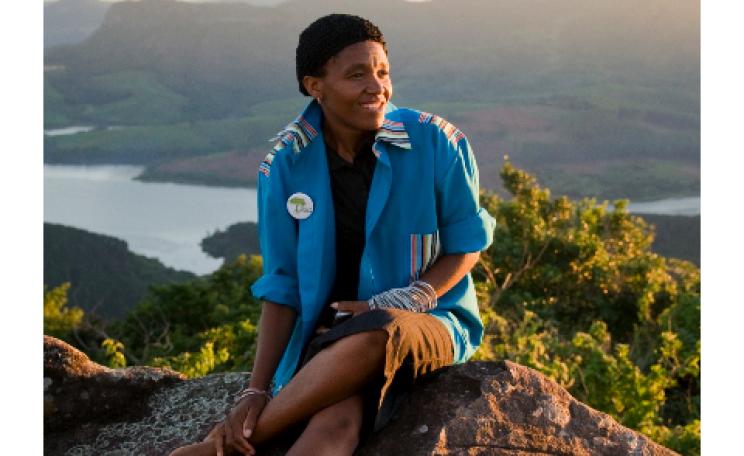
On international women's day, a remarkable lady fighting to maintain the ancient traditions, local knowledge and sacred sites of one of South Africa's last indigenous clans talks to the Ecologist
A new Ecologist-produced film, to be screened at the forthcoming Convention on Biological Diversity meeting in Japan, highlights how the rights of indigenous peoples and their sustainable use of natural resources are being ignored by the Bangladesh Government
Uncontrolled growth of financial debt is currently laying waste to large parts of the global economy. An explosion of ecological debt looks set to do the same, but worse, to a biosphere friendly to human civilisation.
Environmental groups were pleased at the end of 2007 when the UN announced that its under-resourced adaptation funds - established to help less-industrialised nations adapt to the effects of climate change - were to receive a cash injection.
What do you do when your faith, identity, independence and livelihood are all endangered by a mine that has the backing of a multi-billion pound company and even your own government? For the Dongria Kondh hill tribe of Orissa, India, there is only one answer: you stop them.
Revenues obtained from the often illegal extraction and supply of commodities such as timber and diamonds are directly bankrolling corrupt regimes and armed insurgency groups, and fund the purchase of weapons and other contraband goods that perpetuate cycles of conflict.
As the bluetongue virus sinks its teeth into British livestock, there is one appalling certainty: like the outbreaks of Mad Cow Disease and foot-and-mouth before it, some farmers will see no way out, and take their own lives. Farmers in Britain are the profession second most likely to commit suicide (after, bizarrely, dentistry).