After 20 years of oil spills, deforestation, waste dumping and ill health, farmers and indigenous people in the the Ecuadorian Amazon have been fighting the Chevron-Texaco corporation. But despite its three times conviction and a $9.5 billion damages award to the victims, the oil giant looks no closer to making good its damage.
The 1865 Treaty of Point Elliot is clear, writes Jan Hasselman: the Lummi Nation has the right to fish, hunt and gather in their accustomed places in perpetuity - and they can't do that if a gigantic coal terminal is built in the Salish Sea's most productive waters. First Nations' treaty rights are now central to protecting the Pacific Northwest from destruction by fossil fuels.
Last December Brazil's indigenous Peoples defeated the PEC 215 constitutional amendment that was meant to open up their territories for agribusiness, mining, power generation and industry, writes Chris Lang. But now, thanks to 'Chainsaw Queen' Kátia Abreu, minster of agriculture, it's back on the agenda ... and resistance is growing once again.
Under the guise of a land-titling project, Peru is breaking up and privatising indigenous common lands across the Andean highlands, writes Arthur Scarritt. While the law provides for communal titling and democratic votes, in practice there's no provision for communities to exercise these rights, and the many are being dispossessed in favour of large, 'efficient' market-oriented producers.
Honduras has endured six years of violence and land grabs after the 2009 US-backed military coup made the country a playground for Hillary Clinton's billionaire friends, write Eric Draitser & Ramiro S. Fúnez - and a hell for the country's indigenous and small scale farming communities, whose leaders are routinely murdered with impunity by US-trained forces.
A successful, low-cost scheme in New South Wales to safeguard indigenous Australians in police custody is to lose federal funding, writes Eugene Schofield-Georgeson, even though it is demonstrably saving lives. Rather than cut funding, the government should be financing similar schemes across the country.
A proposed $30 billion railway line linking the the Peruvian and Brazilian coasts threatens devastation to forests and indigenous tribes that lie along its route, and will add to wider pressures on land and forests.
It's not just western corporations that are moving into large-scale agribusiness in Ethiopia, writes Mohammad Amir Anwar. Indian investors have acquired rights to some 6,000 sq.km of land much of it in the ecologically sensitive Gambela region, where unconsulted Nuer and Anuak peoples are suffering from forest clearance.
The Midwest's largest ever anti-tar sands demonstration took place in Minnesota last weekend, writes David Goodner, cementing a new alliance of diverse communities united in resisting the pollution and destruction of tar sands exploitation, processing and transportation.
When Martin Cradick and Su Hart travelled to West Africa in 1992, little did they know the journey would set their lives on a whole new direction, writes Matthew Newsome. Inspired by the Baka people of Cameroon's rainforest and the joy that resonates through their music, they are now dedicated to saving this vulnerable people using their magical music to reach into people's hearts.
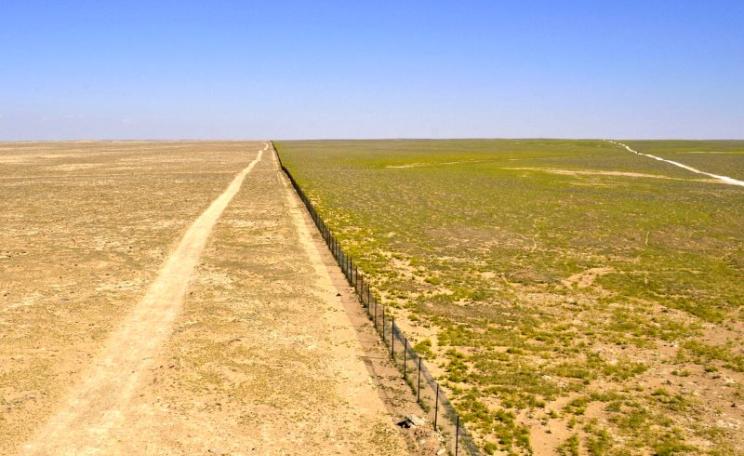
Civil war in Syria is the result of the desertification of the ecologically fragile Syrian steppe, writes Gianluca Serra - a process that began in 1958 when the former Bedouin commons were opened up to unrestricted grazing. That led to a wider ecological, hydrological and agricultural collapse, and then to a 'rural intifada' of farmers and nomads no longer able to support themselves.
Industrial logging in the world's second largest rainforest is out of control, writes Raoul Monsembula, and spells disaster for both wildlife and forest people. There is an alternative: community forestry has just been enshrined in law. But resources must be committed to law enforcement in Congo and abroad, and to empowering forest communities.
The Indigenous Peoples of North America are the survivors of a multi-century genocide that was still being deliberately waged in the 1950s and has still not stopped today, Roxanne Dunbar-Ortiz told Stephyn Quirke. But the fightback is on, and for the world to overcome both genocide and ecocide, the indigenous struggle must grow to encompass the mass of humanity.
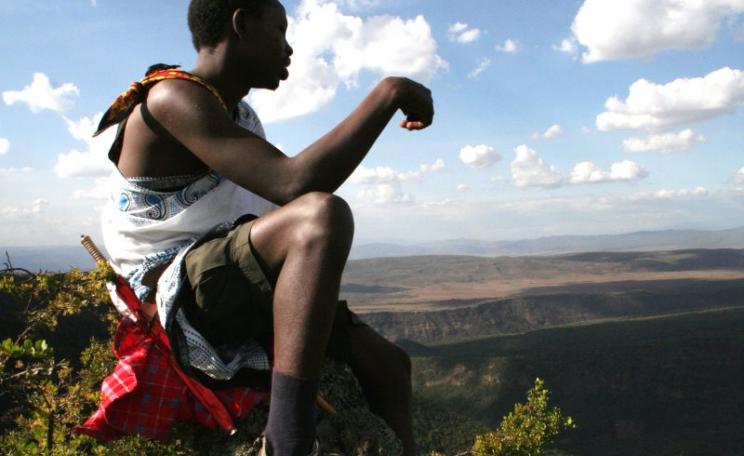
Persistent droughts are undermining the self-sufficiency of Maasai communities in the Great Rift Valley and worsening their living conditions, writes Simone Sarchi. Now these fearless warriors are fighting the battle against climate change through adaptation, education and technology, and by making peace with traditional enemies.
Today is Nakba day - when Palestinians everywhere remember in their native land, stolen homes, demolished villages and long-lost way of life with grief, anger and a deep yearning that endures from generation to generation, writes Johnny Barber.
The palm oil industry's repeated failure to keep its promises illustrates why global initiatives to achieve 'sustainable palm oil' must place communities centre-stage, writes FPP. Standard-setters like the RSPO must demand action, enforcement and accountability - not just lofty commitments that inspire hope, but rarely deliver.
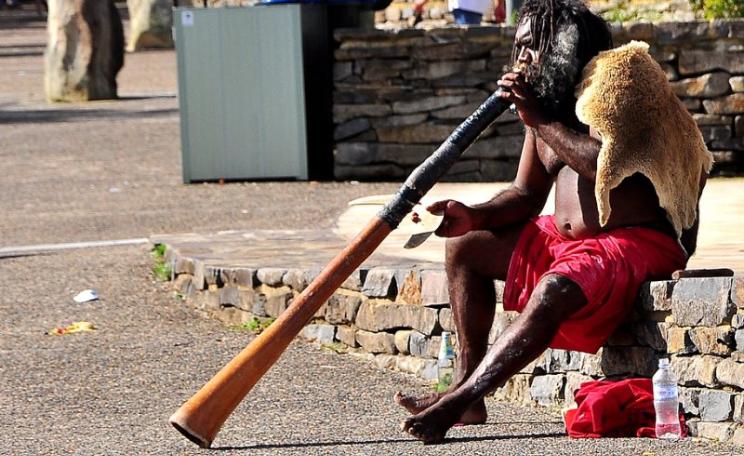
Australia's deliberate and calculated attacks on its indigenous population carry many of the hallmarks of genocide, writes John Pilger. And things are getting worse, not better, as states that have grown rich by exploiting Aboriginal land evict and demolish remote Aboriginal communities.
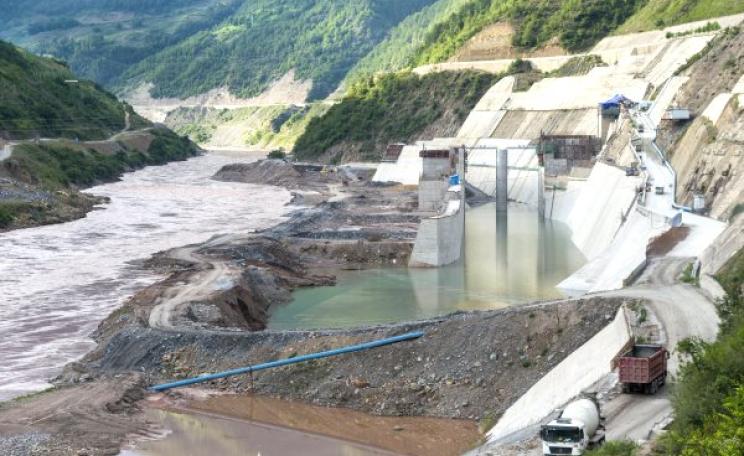
Police in India's Uttar Pradesh state yesterday opened fire on a 'sit in' by tribal protestors at the construction site of the Kanhar dam, now under construction in open contempt of court orders. Tribal leader Akku Kharwar and eight others were seriously injured by the gun fire.
When Michael Buckley took a white water rafting trip in Tibet in 2005, he had no idea of the adventure he was embarking on - a ten-year investigation of China ruthless exploitation of Tibet's mineral and hydroelectric resources, and its systematic attack on indigenous Tibetans, their culture and their survival on the land.
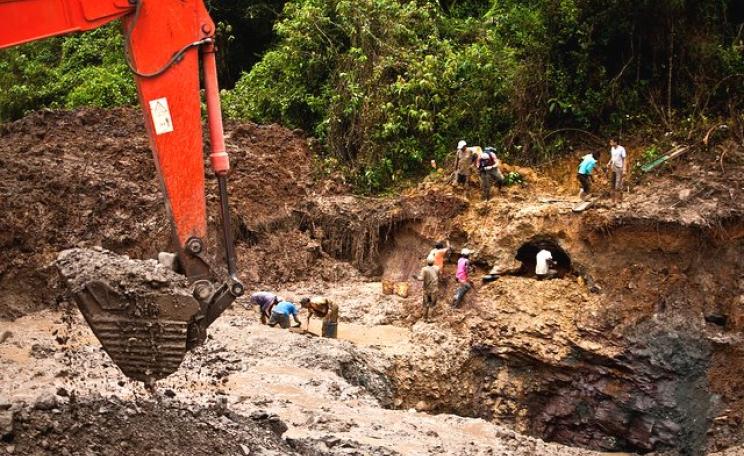
An indigenous leader in Colombia's 'gold belt' has been killed by unknown gunmen as tensions grow between indigenous communities and outside gold mining interests, many of them linked to illegal armed groups and the drug trade.
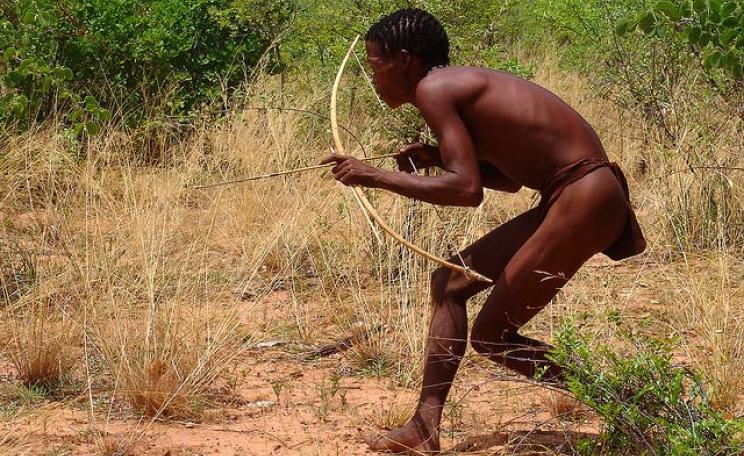
At the 'United for Wildlife' conference in Botswana, backed by princes Charles and William, Indigenous organizations from around the world are calling on world leaders to recognize tribal peoples' right to hunt for subsistence.
Botum Sakor national park is one of Cambodia's biodiversity hotspots, where indigenous tribes have long lived in harmony with the forest and its wildlife, writes Rod Harbinson. But now they are being violently evicted as the park is being sold off piecemeal to developers for logging, plantations, casinos and hotels. Now local communities are defending themselves and their land.
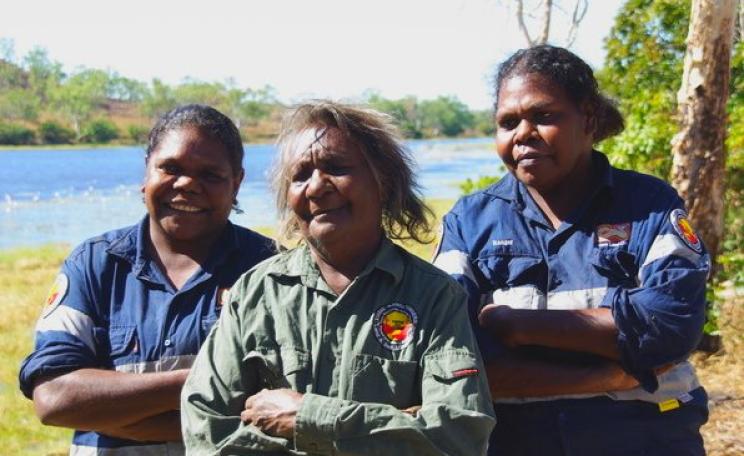
Australia's aboriginal communities inhabit remote Outback regions of enormous importance for wildlife conservation, write Craig Moritz, Emilie-Jane Ens & Jon Altman - and they, and the land management services they provide, are essential to maintain both biodiversity and ancient indigenous knowledge. So why is Prime Minister Tony Abbott putting all that at risk?
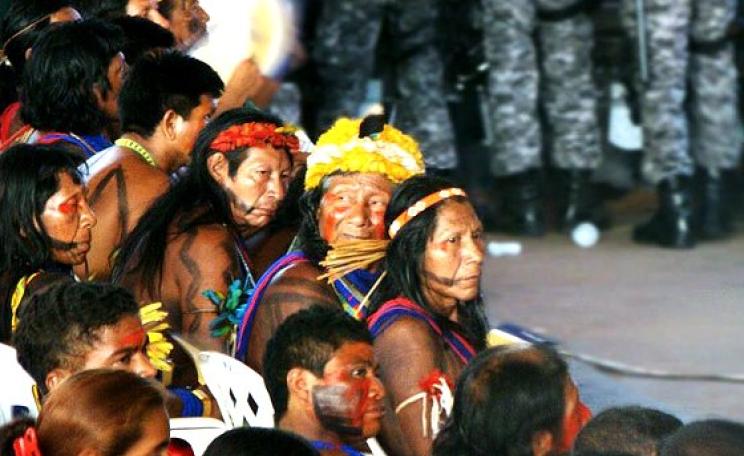
The indigenous peoples of the Amazon are employing the tactics of the Occupy movement against oil companies, gold miners and illegal loggers, writes Marc Brightman. Their methods are home-grown: lacking the protection of the state, they have always had to fight their own battles. But recent campaign successes owe much to outside support. We must maintain, and strengthen, our solidarity.