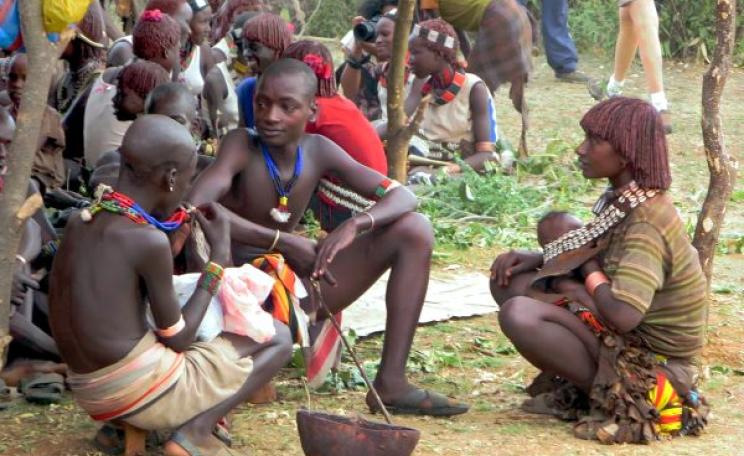
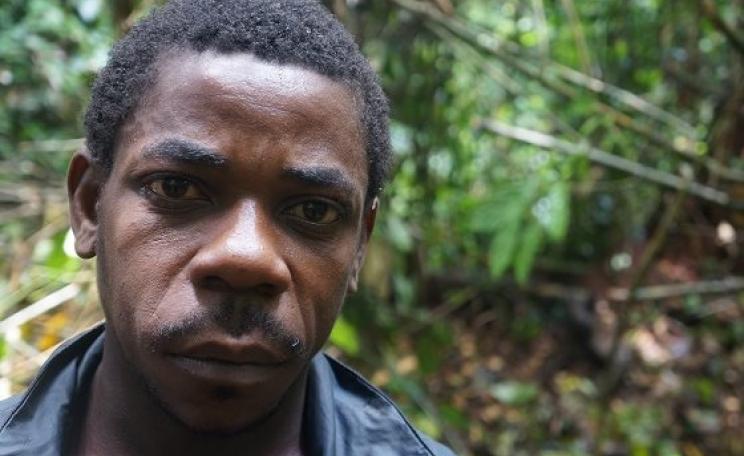
The Kwegu people of Ethiopia's Lower Omo Valley are facing starvation because of the loss of their land to a huge sugar plantation, the destruction of their forest and the damming of the Omo river - supported by a UK, EU and World Bank funded 'aid' program.
Anthropology, the study of humankind, should be the first of all the sciences our children encounter, writes Marc Brightman, with its singular capacity to inspire the imagination, broaden the mind and open the heart. Moves to downgrade it in the education system by those who know the price of everything, and the value of nothing, must be fought off.
Naomi Klein famously called for a 'grand coalition' of the progressive left to fight climate change and Earth-destroying capitalism, writes Alexander Reid Ross. And now it's happening, drawing together diverse strands that encompass the fight for social and racial justice, the right to work, health, clean air and fresh water, and our freedom to be alive and thrive on this our one planet.
As we celebrate 'World Wildlife Day' today, there's little for nature's best defenders to be glad of, says human rights lawyer Gordon Bennett. Indigenous Peoples around the world are routinely attacked, starved and cut off from the lands and wildlife they have protected for millennia under a flawed and brutal model of 'conservation'.
Last November Tanzania's President Kikwete tweeted his promise that the evictions of indigenous Maasai people and their villages near Serengeti National Park would stop. But now another round of evictions is under way: thousands of Maasai have been evicted at gunpoint and their homes burnt to ashes. The Maasai say: 'We need your help!'
A small community in Uganda is challenging a UN-backed international oil palm venture that has expropriated small farmers and obliterated an entire forest on a Lake Victoria island to establish a vast plantation. Three years after the grab, Friends of the Earth groups are backing the islanders legal action, which is launched today.
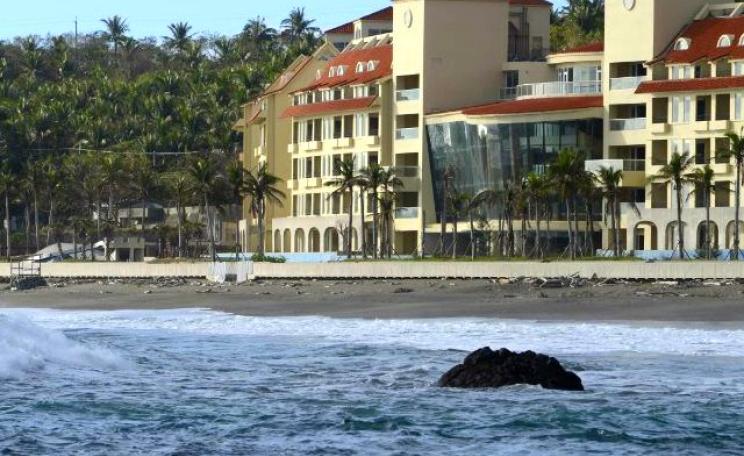
A huge hotel development has been built on a pristine beach belonging to the 'Amis, one of Taiwan's indigenous tribes, despite numerous court rulings confirming its illegality. Glenn Smith met 'Amis campaigner Sinsing, whose fight for justice began when the government handed out eviction notices to her community - and will continue until the hotel is razed and the beach restored.
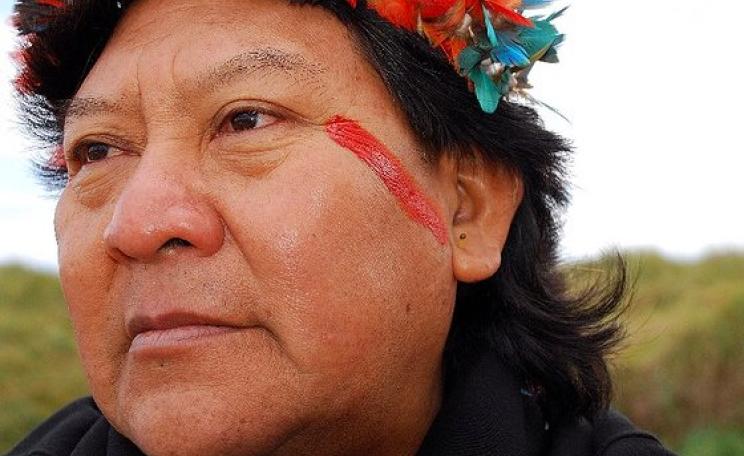
This powerful book by Davi Kopenawa and Bruce Albert reveals to us the world view of the Yanomami shaman, writes Sue Branford - together with many uncomfortable insights about the horrors of mainstream modern society, seen from an indigenous viewpoint as a form of organized madness that's driving the world to destruction.
A land grab twice the size of France is under way in Ethiopia, as the government pursues the wholesale seizure if indigenous lands to turn them over to dams and plantations for sugar, palm oil, cotton and biofuels run by foreign corporations, destroying ancient cultures and turning Lake Turkana, the world's largest desert lake, into a new Aral Sea.
Thirty years after diamonds were first discovered in Botswana's Kalahari desert, the Bushmen have been evicted, and the first diamonds have gone on sale. Happy Valentines!
A month-long blockade of the Rio Tigre deep in the Peruvian Amazon has secured promises of compensation and cleanup for Peru's Kichwa communities who have suffered 40 years of contaminated waters from oil drilling operations in their remote Amazon region. But until the funds materialize, they are holding firm in their resolve.
'Conservation' is destroying those who've nurtured their surroundings for timeless generations, writes Stephen Corry - the Indigenous Peoples who have actually fashioned those precious places that we now mistake as 'natural'. It's time for a new conservation ethic that recognizes them as senior partners - not as 'squatters'' and 'poachers' to be evicted and criminalized.
While the world gears up for Jungle Book fever, something sinister is afoot in the forests of India, writes Tom Linton. No, not Shere Khan, but zealous officials illegally evicting indigenous communities from their ancestral forests in the name of 'conservation' - and to make way for tiger tourism. And it's happening across India putting millions of people under threat.
In his search for alternatives to consumerism and industrialism, Jules Pretty travelled around the world to find surviving nature-based cultures. In this extract from his book 'The Edge of Extinction', he tells of the Tuva people of the Siberian steppe - proud of their traditions and closeness to the land, but very much part of the modern world - strictly on their own terms.
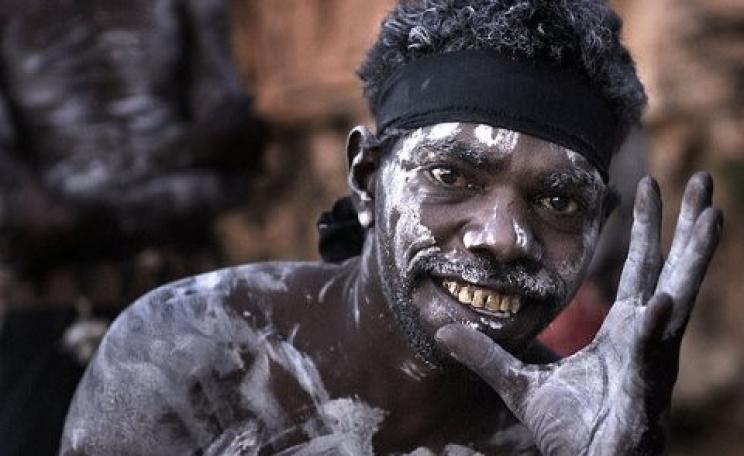
Stories told by Australia's Aboriginal peoples tell of the time, over 10,000 years ago, when the last Ice Age came to an end, and sea levels rose by 120 metres, write Nick Reid & Patrick Nunn. The narratives tally with the findings of contemporary science, raising the question: what is it about Aborigines and their culture than so accurately transmitted their oral traditions across thousands of generations?
For 16 years the Thai government has ignored the plight of a community where toxic lead mine waste is causing severe chronic poisoning - defying both a 2013 court order, and its international obligations. It's just one of many toxic sites across Thailand that need to be cleaned up - but the government's main concern is to encourage further industrialisation.
Indigenous forest dwellers in India's iconic Kanha Tiger Reserve have suffered another round of illegal forced evictions at the hands of the country's Tiger Conservation Authority - a move that is threatening the future of the tigers themselves.
Alana Husby has sawdust in her blood. A fifth generation log and lumber person from Canada, she was ‘flipping wood' as a teenager, and now she's in Panama running the region's biggest underwater logging company, employing local Kuna Indians to fish tree trunks out of flooded forests. Kate Monson met Alana in Oxford while negotiating a 'green' timber deal ...
Australia must acknowledge the horrors lurking in its own history, writes Fiona Broom, and admit to its continuing Aboriginal genocide. It's made harder by the deliberate ignorance of Australia's mainstream culture, politics and media. But with John Pilger's outstanding film, 'Utopia', the excuses are fast running out.
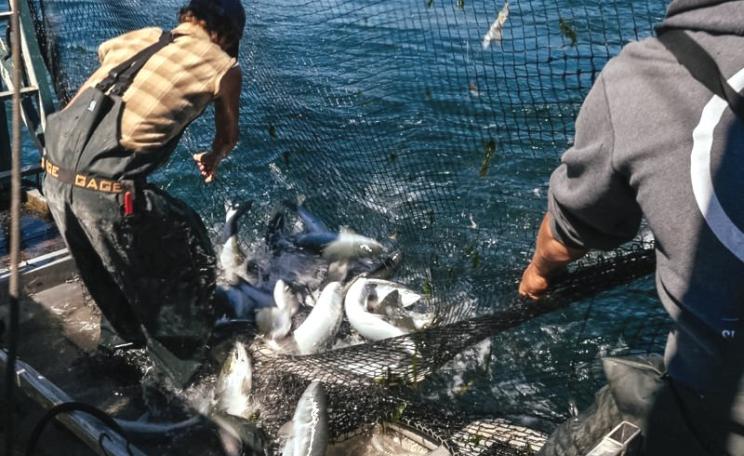
A salmon fishing cooperative in the Pacific Northwest draws on indigenous practices and state of the art technology to be among the world's most sustainable and selective fisheries, writes Kevin Bailey. With its clean harvesting techniques, minmimal bycatch, 99% survival rates for released fish, renewable energy supply and efficient supply chain, it sets a standard for all to follow.
This day 20 years ago one of Britain's most committed and effective environmental campaigners died trying to save a coastal forest in southern Madagascar from mining, writes Yvonne Orengo. The world has been a poorer place without Andrew Lees - and his fears for the Petriky forest and local indigenous communities have been proved all too close to the mark.
A new wave of ruthless conquistadors has arrived in Peru, write Aldo Orellana Lopez and Philippa de Boissière - global corporations after minerals, oil, gas, timber, land ... And instead of brandishing the Bible and the sword, they proclaim high sounding policies on environment and human rights, while co-opting police and politicians in their pillage of resources.
The UN Food and Agriculture Organization's definition of 'forest' includes commercial plantations of fast growing trees - often replacing biodiverse native forests relied on by local communities. FAO must stop using this mis-definition to claim that forests are expanding, when the reverse is the case.
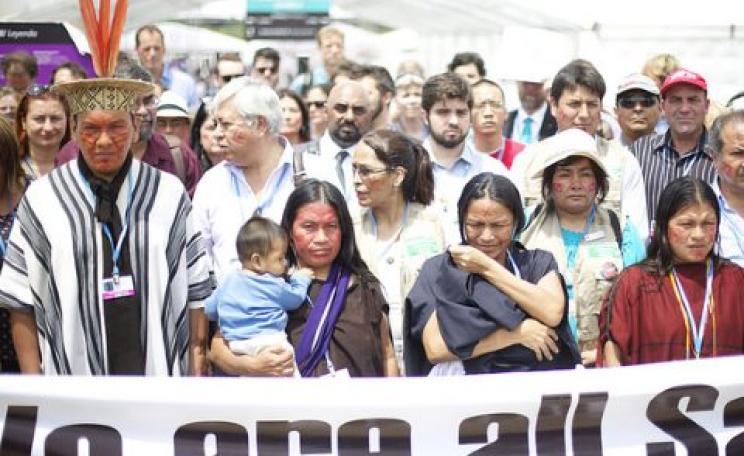
Peru, notorious for its brutal exploitation of forests, oil and minerals, theft of indigenous lands and murder of eco-defenders, is an unlikely host for the COP20 climate talks, writes Alexander Reid Ross. Except that Peru's actions reflect the corporate land-grabbing agenda manifest in the false solutions on offer in Lima this week. It's a time for resistance, not compromise!