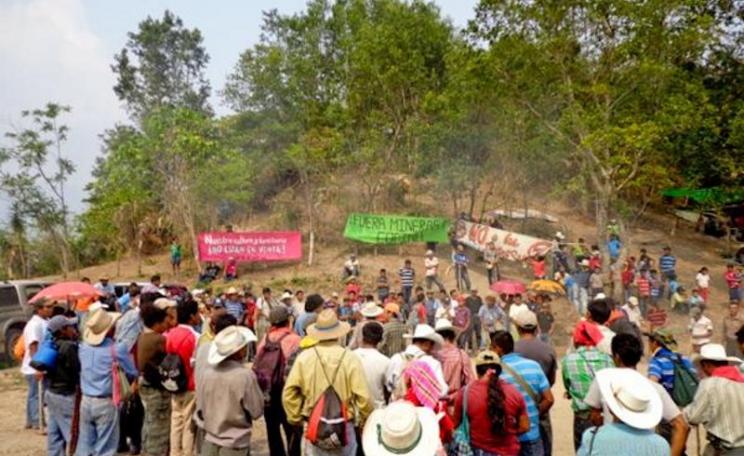
The Government of Honduras is intent on framing the only witness to the murder of Berta Cáceres as the one guilty of the crime, writes Beverly Bell. Gustavo Castro Soto, an eco-defender from Mexico, is now in effective detention in his country's embassy in Tegucigalpa in fear of his life, having himself been injured in the attack and seen the real assassin. The US Government must break its resounding silence.
The small state of Vermont is changing the face of US food as companies hasten to comply with its GMO labeling rule which comes into effect in July 2016. Mars and General Mills - and now Kelloggs and ConAgra - are the latest companies to announce their labels will comply with Vermont law US-wide - and many more are sure to follow.
After five months of wrongful imprisonment, an environmental activist has finally been set free and reunited with his family, writes Rod Harbinson. His case highlights the way Cambodia's Government subjects eco-defenders to harsh, unjust and arbitrary detention, while illegal logging barons and large-scale timber smugglers lead charmed lives, always above the law.
Backed up the Information Commissioner, DECC refuses to release the documents it sent to the European Commission to support its massive subsidy package for the Hinkley C nuclear plant, writes Terry McAlister. But now the case will go before a tribunal which could order their release.
Two heavily armed, UK registered ships are currently engaged in the transport of UK sourced plutonium across the Pacific, writes Tim Deere-Jones. Details of their safety inspection records, survey status, voyage routes and location have been suppressed in the interests of security but the lack of transparency breaches a number of international safety standards.
The US Constitution guarantees the rights of future generations, not just current ones, writes James E. Hansen. But those rights are being betrayed, knowingly and deliberately, by governments and politicians who are standing by and allowing climate change to wreak long term havoc on the planet. Today, this legal principle is being asserted in a Federal Court in Oregon.
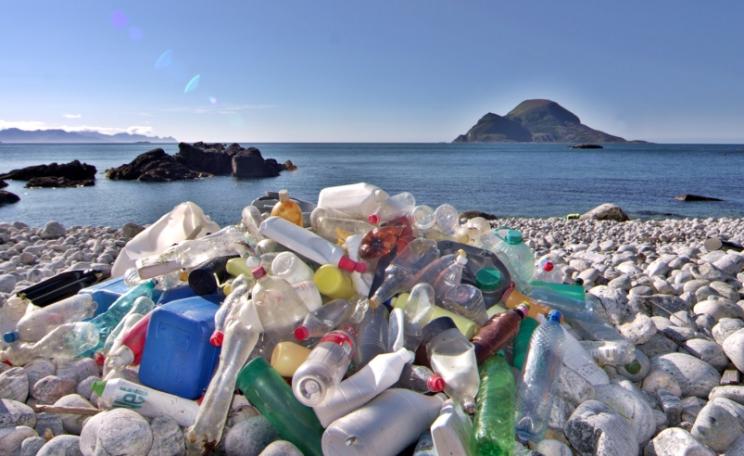
A legal principle dating from Roman times is ripe for use in protecting our waste-filled and over-exploited seas and oceans, writes Deb Wright. Under the 'Public Trust Doctrine' governments are entrusted to protect shared natural resources from abuse, and can be held accountable for neglect of their duties.
The indigenous Wampis people of the Peruvian Amazon have demanded the immediate closure of a Petroperú oil pipeline after a series of devastating spills, writes Vanessa Amaral-Rogers. The company has already been found guilty of 'negligence' after previous oil spills contaminated the Wampis land and rivers.
Last week the environmental and human rights activist Berta Cáceres was murdered by gunmen in an early morning attack on her home which may have been carried out by or in collusion with state agents. Now her friend and colleague Gustavo Castro, himself wounded in the attack and the only witness to Berta's murder, has been detained for questioning.
The 'Biotechnology Food Labeling Uniformity' bill has been introduced to the US Senate to require clear, simple labelling of GMOs nationwide - informing consumers while saving manufacturers from a confusing patchwork of state regulations. Could it defeat the dreaded DARK Act?
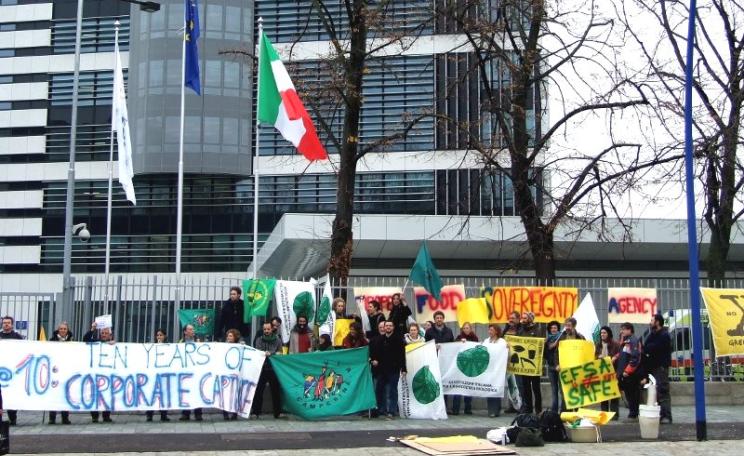
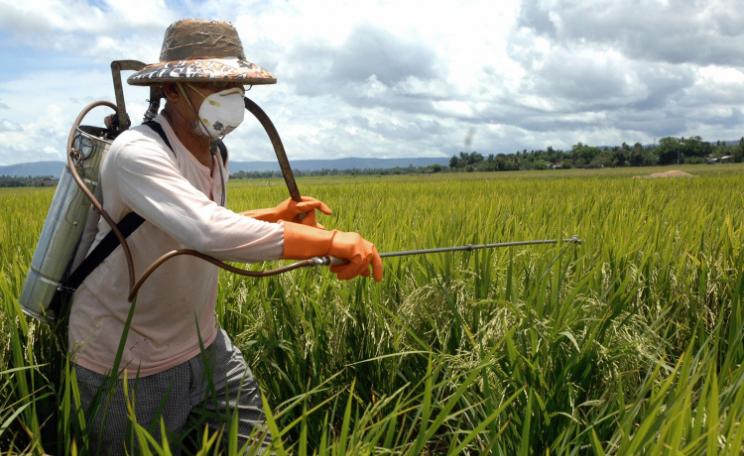
Next week, EU governments will vote on whether to re-authorise the weedkiller glyphosate, judged by IARC to be a probable human carcinogen, writes Molly Scott Cato. The disgraceful shenanigans of the Commission and the European Food Safety Agency to date provide a clear example of the EU and member states conspiring with corporations, against citizens.
At its Spring Conference in Harrogate yesterday the Green Party of England & Wales gave formal recognition to the Rights of Nature in an overwhelming vote, committing it to passing a new law to that effect at the earliest opportunity.
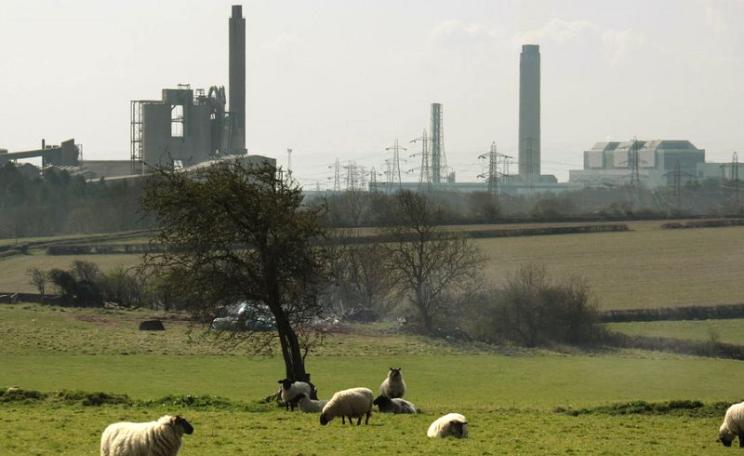
Wales should lead the UK in bringing an end to the entire coal industry from opencast mining to highly polluting power stations, writes Gareth Clubb. A new report by Friends of the Earth Cymru shows the Aberthaw plant alone imposes social and environmental costs of nearly £1 billion per year on the country and global climate.
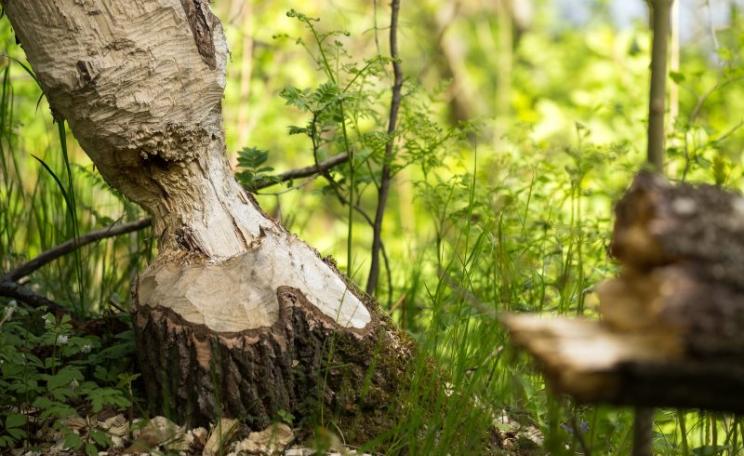
Beavers are Britain's native aquatic engineers and their return to sites in Scotland and England is doing wonders for the local environment, write Nigel Willby & Alan Law: restoring wetlands, recreating natural river dynamics and ecology, filtering farm pollutants from water, and improving habitat for trout and other fish.
Plane Stupid's Heathrow 13 escaped immediate incarceration yesterday for occupying Heathrow's northern runway last summer. But the threat of imprisonment remains firmly in place, writes Ali Tamlit, from a state determined to defend the corporations that are inflicting the systemic violence of climate change on us all. The peaceful fight for a better world must go on.
Existing models of protecting nature are failing, write Atus Mariqueo-Russell & Rupert Read. They serve to regulate, rather than prevent the destruction of nature, and are now adopting the very 'market' approaches that are largely responsible for the problem. The answer is to give formal effect to the Rights of Nature.
The chemical industry and the European Food Safety Authority are refusing to disclose key scientific evidence about glyphosate's risks, citing 'trade secrets' protection, writes Corporate Europe Observatory. They must be compelled to publish the 'mysterious three' scientific studies EFSA used to assess glyphosate as 'unlikely' to cause cancer to humans - contradicting the IARC's view.
The European Commission was guilty of maladministration and acted unlawfully in approving pesticides for which there was insufficient safety data, the EU Ombudsman has ruled. It must now reform its practices, writes Vanessa Amaral-Rogers, or face legal action.
As the twelfth round of negotiations over the EU-US TTIP mega-trade deal begins in Brussels today, the chances of a treaty being concluded are looking weaker than ever, writes Guy Taylor. Time is running out, complex legal issues are crowding in, and most important of all, public opinion on both sides of the Atlantic is turning against the massive 'bill of corporate rights' that TTIP represents.
Poland's environment ministry has a plan for a huge increase in logging in Europe's last great primeval forest, writes Zachary Davies Boren. Officials claim it's to control bark beetles. But ecologists say the insects are regulated naturally within the forest ecosystem, while logging threatens huge damage to irreplaceable biodiversity.
Amid the growing call for those guilty of causing Flint, Michigan's water crisis to be prosecuted, Jane F. Barrett finds little prospect of criminal charges under the Safe Drinking Water Act. But federal, state and common laws offer prosecutors a range of potential charges, from malfeasance, misfeasance and nonfeasance to involuntary manslaughter.
Gaza farmers have lost 187 hectares of crops to aerial spraying of herbicides by Israel hundreds of meters within the territory's borders. The action, carried out in the name of 'security', further undermines Gaza's ability to feed itself and may permanently deprive farmers of their livelihoods. It may also represent a war crime under the 1977 Protocol to the Geneva Conventions.
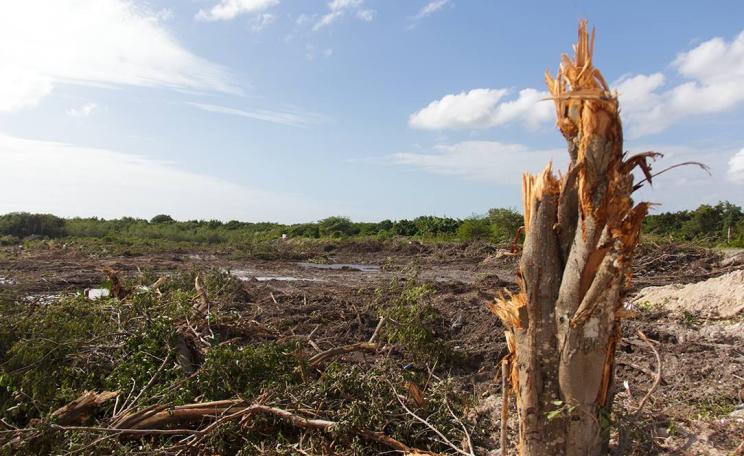
Mexico's tourist resort of Cancún has just lost one of its greatest natural riches, writes Miguel Rivas: 57 hectares of species rich mangrove forest, bulldozed in a massive overnight attack by property developers in league with local officials. But people power can still win the battle and see the Tajamar mangroves restored.
The increasingly militant protests by dairy farmers against low prices forced on them by the corporate 'free market' represent serious and effective resistance against the 'free trade' agenda being forced on the world by neoliberal governments, writes David Miller. They are the first steps to building a new global food system that respects food, people, culture and environment.