The government is set to ban local authorities and their £14 billion pension funds divesting from companies they deem unethical, writes J W Bode. The law will specifically forbid divestment from fossil fuels - and that could put the pensions of future public sector retirees at risk.
Fund managers who neglect their 'duty of care' to clients by failing to put pressure on the companies they invest in to reduce their carbon emissions and prepare for a fossil-free future could be sued for their negligence, say respected experts in law, environment and finance.
Global oilseed, agribusiness and biotech corporations are engaged in a long term attack on India's local cooking oil producers, writes Colin Todhunter. In just 20 years they have reduced India from self-sufficiency in cooking oil to importing half its needs. Now the government's unlawful attempts to impose GM mustard seed threaten to wipe out a crop at the root of Indian food and farming traditions.
We, the signatories of this declaration, are calling on the European Union (EU) to exclude bioenergy from its next Renewable Energy Directive (RED), and thereby stop direct and indirect subsidies for renewable energy from biofuels and wood-burning.
The defence secretary, 'comedians' on BBC Radio's News Quiz, and the entire media commentariat have ganged up this weekend up to pour mockery and poisonous lies over Julian Assange and the UN's human rights jurists, writes Jonathan Cook. As they attempt to fight off the UN's 'guilty' verdict against the British state, they are putting dissidents at risk everywhere.
Germany's association of judges and magistrates has condemned the EU's plan to create a special court for investors and corporations to sue national governments, writes Nick Dearden. The proposed new court would: have no legal basis; supplant the sovereignty of member states; and usurp the role of national courts. The chances of TTIP and CETA ever being agreed just took a big step back.
Air pollution from vehicles is killing tens of thousands of people every year in the UK alone, write Jean Lambert, Molly Scott Cato & Keith Taylor, an outrage set into stark focus by VW's 'test cheating'. The EU's response? To relax tests and allow cars to be more polluting - with the full support of the UK government.
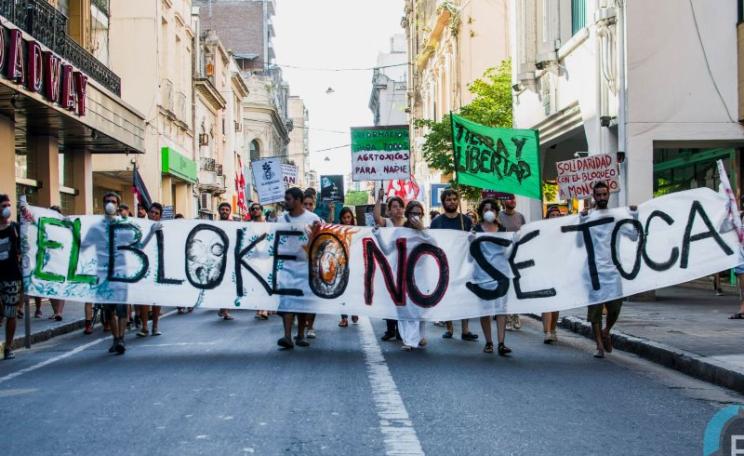
Protesters have now blocked a Monsanto seed factory in Córdoba, Argentina for over two years, writes Ciara Low. Another eviction attempt is now imminent, and campaigners are calling for a big mobilization this Sunday to fortify the blockade and send out a strong message to Monsanto and its acolytes: 'No Pasaran!' - 'They shall not pass!'
Environmental injustice is deeply embedded in American attitudes, says Robert D. Bullard, and the lead pollution of Flint's water is but the latest example of an unconscious yet pervasive discrimination against poor and minority communities across the US. Only with strong, deliberate and effective leadership can the EPA and other regulators overcome their prejudices.
Israel's government is now free to expel 1,200 of its Bedouin citizens from their 'unrecognised' villages in the Negev desert, following a Supreme Court decision not to hear their appeal. Now only one thing can save the Bedouin, their communities and their way of life: an international outcry.
When the UK joined the EU in 1973, it was dubbed the 'dirty man of Europe' thanks to its out of control pollution, writes Craig Bennett. Since then EU laws have forced us to clean up our act. But if we leave, all that may go into the reverse, with terrible impacts on our air, water, health, and wildlife.
Since Poland's new government was elected last October it has moved to protect the country's 1.3 million small farmers, writes Julian Rose. First it freed those arrested for protesting corporate land grabs, now it is seeking to lighten oppressive hygiene regulations, and next it may support a new Food Act that would ban GMOs, and legislate for national food security and food sovereignty.
A new report from leading physicians published today reveals the excess mortality caused by UK air pollution, writes Vanessa Amaral-Rogers. The Government has already been found in breach of the EU's Air Quality Directive, but its policies remain weak. Will it finally step up to prevent early deaths from this silent killer?
Inequality is on the agenda at the World Economic Forum in Davos this year, write David Sogge & Nick Buxton. A good thing, right? But look at the proposed 'solutions': ramp up the neoliberal 'development' model; lighten business regulation; pursue globalisation with greater vigor ... Yes, you got it. They would all accelerate the transfer the world's wealth upwards to corporate elites.
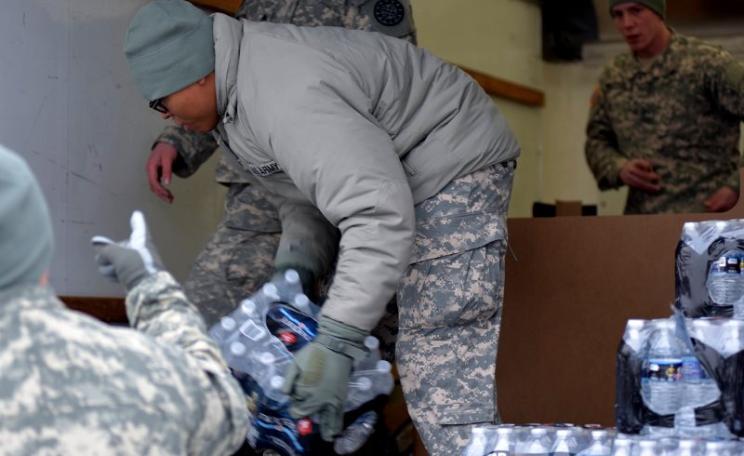
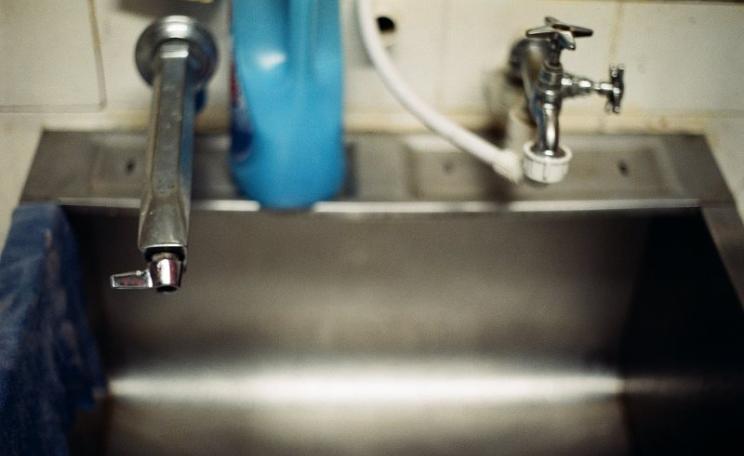
To save a small amount of money residents of Flint, Michigan, have been forced to consume hazardous levels of lead in their drinking water, writes Farron Cousins. Just the moment for the Republican House Speaker to attack the Clean Water Act.
A USDA study shows that a GM alfalfa has gone wild in alfalfa-growing parts of the West. This may explain GMO contamination incidents that have cost US growers and exporters millions of dollars - and it exposes the failure of USDA's 'coexistence' policy for GMOs and traditional crops.
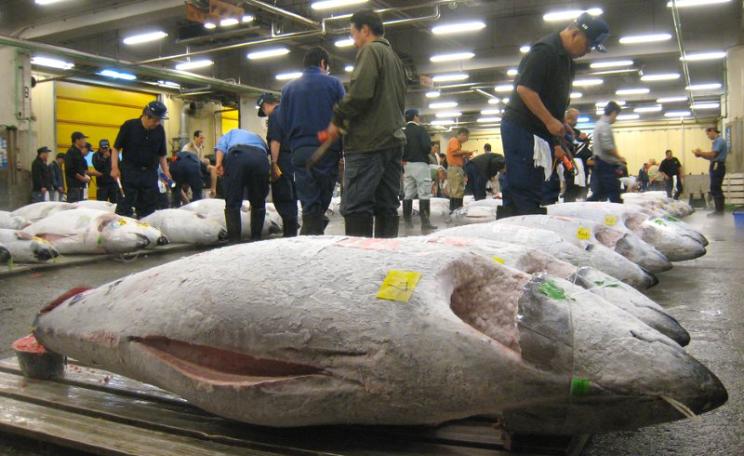
The global catch of fish and seafood is falling at three times the rate reported by the United Nations and urgently needs to be slowed to avoid a crash, reports Christopher Pala. The finding comes in a new study for Nature which quantifies the huge illegal industrial fish pillaging taking place around the world, together with artisanal catches, which in 2010 added over 50% to UN estimates.
Never mind Brazil's COP21 promises to cut its carbon emissions, writes Jan Rocha. New laws passing through Congress will encourage deforestation by removing safeguards and opening up indigenous territories to mega-projects. Serious drought is already contributing to a big increase in forest fires.
The Philippines is taking a huge leap forward in the climate wars, writes Ellen Baker, with the world's 'top 50' energy giants standing accused of violating international human rights law as a result of their fossil fuel production. This is the first such investigation ever to take place anywhere in the world - and it just opened up a whole new front of corporate vulnerability.
TransCanada has just made a big mistake by bringing its $15 billion lawsuit against the US government for refusing the Keystone XL pipeline, writes Sam Cossar-Gilbert. The move has exposed the real nature of 'trade deals' like TTIP and TPP - and why all democrats must rally to defeat them.
A radical new Seed Law drafted by Venezuelan people, farmers and NGOs was signed into law in the closing days of 2015, write William Camacaro, Frederick B. Mills & Christina M. Schiavoni. Striking back against the corporate takeover of seeds and peddling of GMOs, the Seed Law bans transgenic seeds, protects the country's germplasm, and establishes the legal foundation for a participatory, agroecological food and farming system.
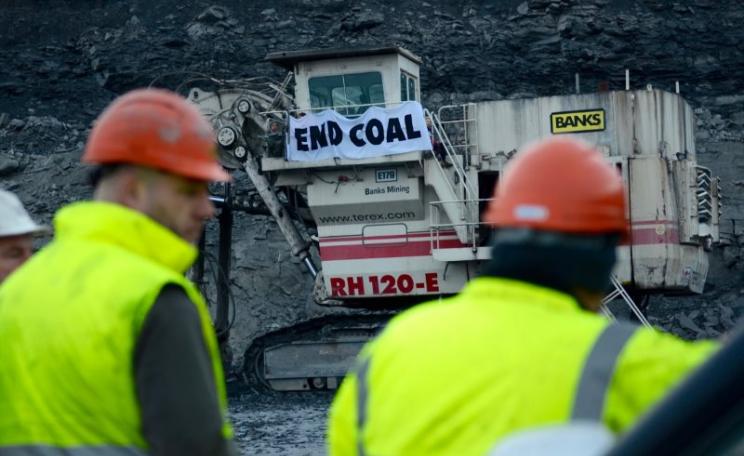
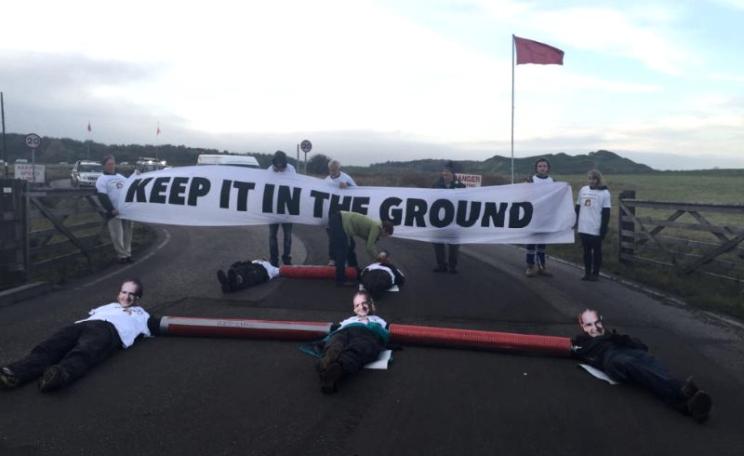
Protestors who closed down the coal mine on climate change denier Matt Ridley's estate faced a claim of £100,000 in losses, writes Brendan Montague. But a judge cut that down by over 90% while declaring the eight defendants of 'impeccable character'.
The coal profits that fill Matt Ridley's bank account come wet with the blood of those killed and displaced by the climate disaster his mines contribute to, writes T. If hgis consicence is no longer functioning, then others must step into that role to confront him with the evil that he is doing.
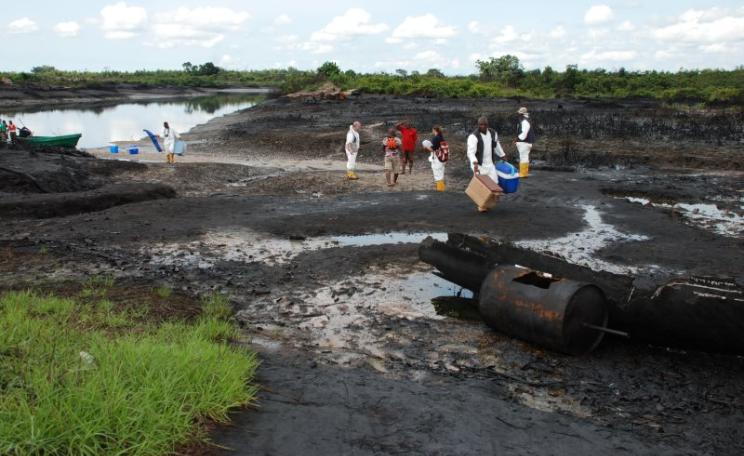
In a landmark judgment today, four Niger Delta farmers have won the right to sue Dutch oil multinational Shell in the Netherlands courts after oil spills destroyed their farms and fish ponds. The case sets a precedent for other victims of corporate environmental and human rights harms around the world.