The Paris Agreement is facing its first big test in Queensland, Australia, writes Justine Bell. After a long process beset by legal challenges, the massive Carmichael coal mine is inching closer to approval - which would open up the entire 250,000 sq.km Galilee basin and its 28 billion tonnes of coal to exploitation. Both state and federal governments have the power to ban it. But will they?
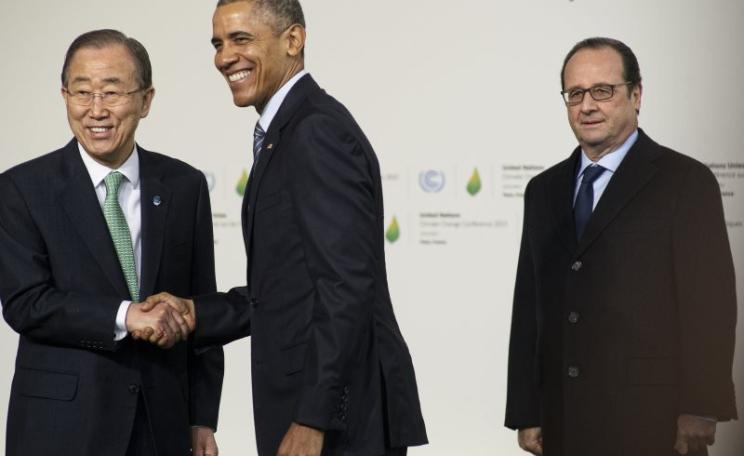
President Obama believes he can keep the promises he made on behalf of the USA at COP21, writes Robert Percival. And he's right - with or without the approval of Congress. But ultimately, it's up to US electors to maintain the political momentum for climate action. A future administration could put all his policies into reverse - no matter how foolish that would be.
New regulations that will allow fracking under national parks, water sources and nature sites won the approval of MPs today in a Commons vote, write Kyla Mandel & Oliver Tickell, even though four Tory MP's rebelled against the party whip. But the new rules won't apply in Wales and Scotland.
The Precautionary Principle must mean, above all, avoiding the risk of ruinous outcomes for people or the wider environment, write Rupert Read & David Burnham. When the Philippines Supreme Court applied that test to GMOs, they found they had to ban them - not as a moral choice but pragmatically, to avoid potentially devastating consequences.
India's Genetic Engineering Appraisal Committee stands accused of Contempt of Court for evading Supreme Court orders to carry out full biosafety tests on GM crops and publish its data, writes Colin Todhunter. The immediate issue is a herbicide tolerant GM mustard now approved for large scale trials, while earlier findings remain under an impenetrable veil of official secrecy.
The apparent conspiracy by the UK government and its agencies to conceal the real cause of death of 7-year old Zane Gbangbola may go right up to Prime Minister David Cameron, writes Paul Mobbs. He was chair of the COBRA emergency committee at the time when it appears to have held back the truth that he was killed by cyanide from the toxic landfill site his home was built over.
The Philippines were meant to be the US's sandbox for GMO development and penetration into southeast Asia, but that has all changed with a Supreme Court decision to ban GMO crop trials pending the development of new biosafety protocols.
Pro-GMO US senators have a dastardly plan to deny states the right to require GMO labeling, writes Steven M. Druker, by attaching their DARK Bill as a rider to the Appropriations Bill next week. Now is the the time to wake up senators to the Bill's true intent, and to the deceit, illegal behaviour and scientific falsification that has kept the dangers of GMO foods a well kept secret - so far.
In this joint statement to COP21 Amnesty International and Greenpeace International call on all governments to protect human rights by including making respect for human rights an explicit purpose of any agreement, while agreeing to phase out fossil fuels and deliver 100% renewables for all by 2050.
A new movement has been launched at COP21 in Paris to give legal effect to the rights of nature and communities, writes Hal Rhoades, providing effective protection against the gross environmental damage and human rights violations that accompany extractive industries from mining to oil development and agri-business projects, and which underlie climate change.
Little publicised government plans to 'reform' court costs are intended to foreclose access to environmental justice for all but the wealthiest individuals and communities, writes Paul Mobbs. Meanwhile cuts to agencies and regulators will make it ever harder for them to do their jobs - making public participation in environmental protection all the more important.
The surprise removal of tax benefits for investors in community renewable energy schemes - effective from Monday - is unlawful and must be reversed, states a legal letter to the Treasury. But meanwhile, investments in the sector have hit record levels, with two days still to go.
The US Environmental Protection Agency has just withdrawn its authorization for a toxic mix of two herbicides, glyphosate and 2,4-D, to be used on GM crops. The move came in response to a lawsuit claiming the initial registration was unlawful.
As falling milk prices push dairy farm out of business, new mega-dairies and feedlot operations of 700 or more cows are filling the void, writes Andrew Wasley. Never mind the pollution, slurry lagoons, and heavy plant on country lanes - do we want the cows that produce our milk confined to sheds? And what's the future for traditional dairy farmers with small, well cared for herds?
Luxembourg will join Austria's legal challenge to the UK's support package for the Hinkley C nuclear power station. Meanwhile EDF has laid off 65 engineers working on the project in Paris, and the EU Commission has initiated proceedings against Hungary over its Paks II nuclear project with Rosatom.
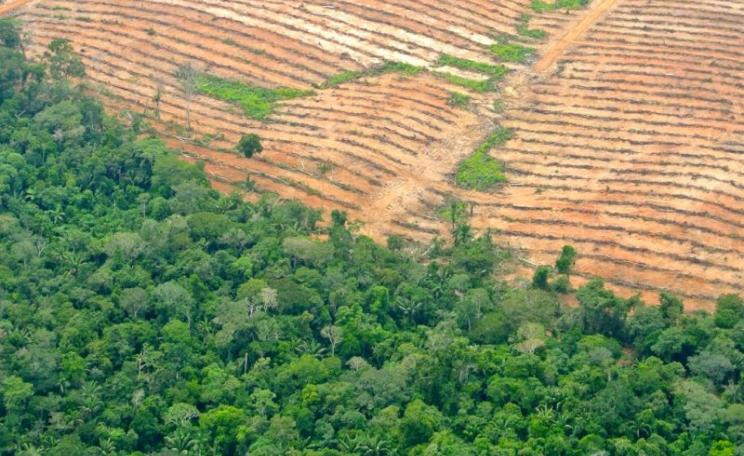
Death threats to an indigenous forest defender in Peru have followed his success in closing down an illegal palm oil operation on his tribe's lands carried out by a member company of the Roundtable on Sustainable Palm Oil, now meeting in Kuala Lumpur.
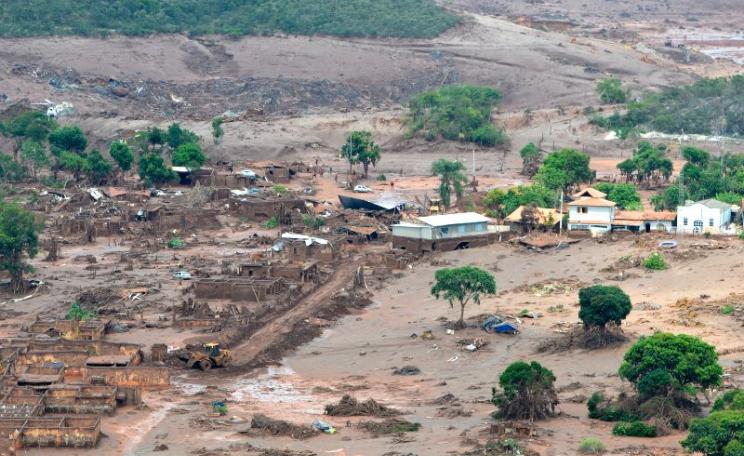
Brazil has suffered its biggest ever industrial disaster, write Ana Luisa Naghettini & Geraldo Lopes. Breached and overflowing dams have released a massive slug of toxic muds and tailings from iron mining into the country's fifth largest river system that provides drinking water for downstream cities, destroying ecosystems in rivers and vast areas of biologically fragile ocean.
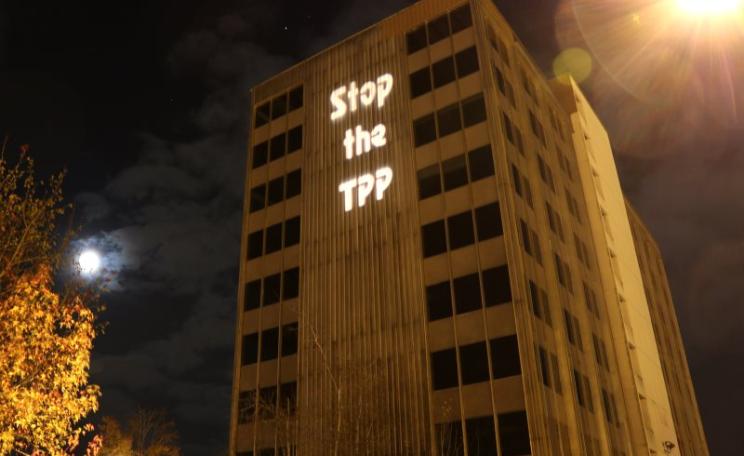
Thanks to New Zealand, the full text of the Trans Pacific Partnership has been made public. And as Pete Dolack writes, it's a disaster for health, environment, workers and democracy - one that will unfold over years and decades to come, as investors and corporations consolidate their power over elected governments and cement in the global rule of unaccountable capital.
A new review of the performance of politically fashionable 'voluntary' approaches to environmental protection demonstrates limited effectiveness, writes Donal McCarthy. Laws and regulations play a vital role in protecting nature and the wider environment - for which voluntarism is no substitute.
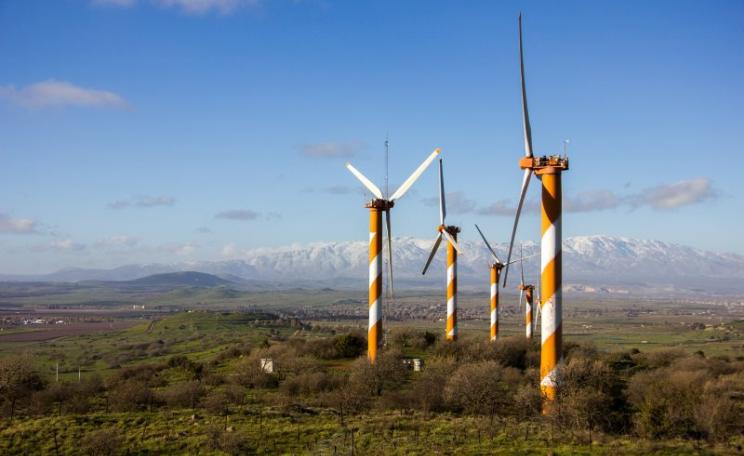
After a massive oil find in Syria's Golan Heights, occupied by Israel since 1967, Israel is asking President Obama to recognise its annexation of the territory, writes Jonathan Cook. To consolidate its hold, plans are afoot to quadruple Israeli settler numbers to 100,000.
The government's policies on climate, energy and industry are not merely stupid, writes Alan Simpson. The repeated cuts to renewables and energy efficiency, combined with limitless largesse to fossil fuels, has reached the point of insanity in the face of the UK's legal obligations and the growing climate crisis. Only we, the people, can end the madness.
The recently announced Snoopers Charter 2.0 gives the state enormous powers to delve into our lives, writes Paul Mobbs. And all the more so when combined with other data to which the government has access - by simply buying it from commercial providers. If you don't like the idea, it's time to get your systems secure and shrink your digital data trail.
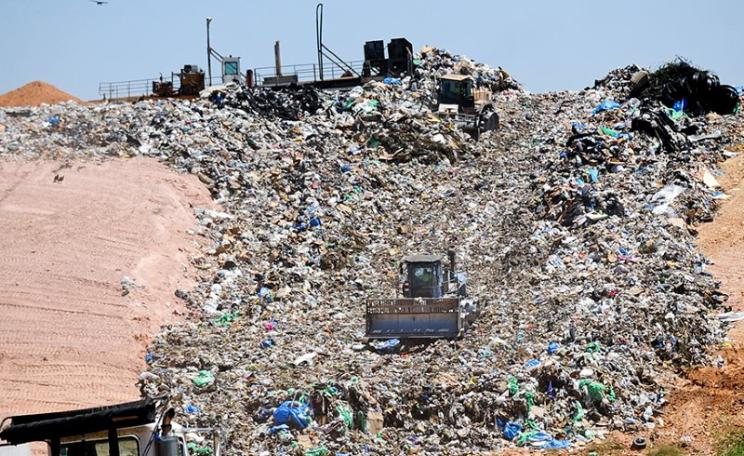
Landfill sites, giant hog farms, incinerators and other 'bad neighbor' industries in the US tend to be situated in African American communities, writes Heather Kathryn Ross. The Environmental Protection Agency is legally obliged to prevent 'environmental racism', but from California to Michigan, low-income communities of color have been waiting years for it to take a stand. Now, backed by Earthjustice, they are forcing the issue - in the courts.
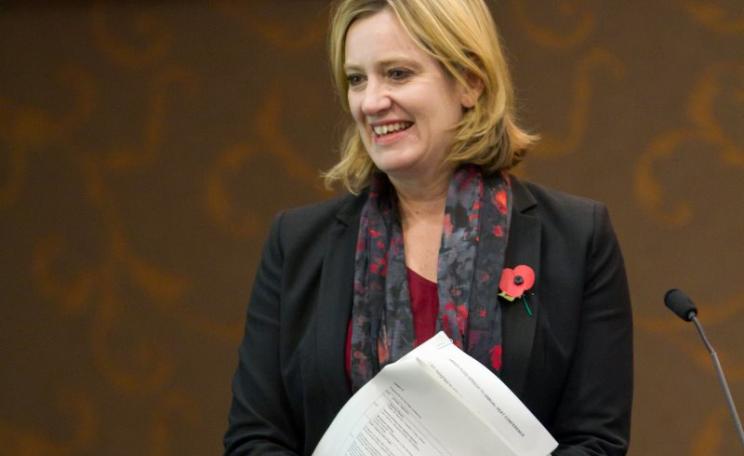
A letter from Energy Secretary Amber Rudd leaked to The Ecologist shows that she misled Parliament by promising the UK was 'on course' to deliver on its renewable energy targets - when in fact there is a delivery shortfall in 2020 of almost 25%. Her plan to fill the gap relies on more biofuels, buying in green power and 'credits' from abroad - everything but wind and solar.