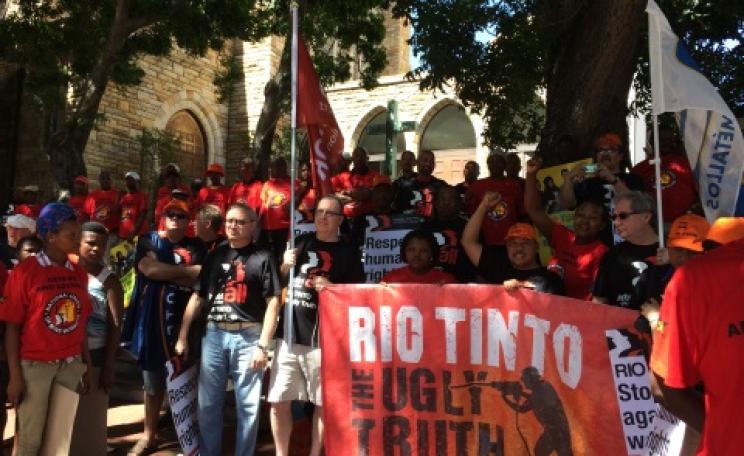
Global mining giant Rio Tinto markets itself as a 'sustainable company', writes Kemal Özkan. But serious failures in its reporting, and its attempt to hold an Australian indigenous group to ransom, reveal a very different truth: the company is driven by a reckless pursuit of profit at any cost.
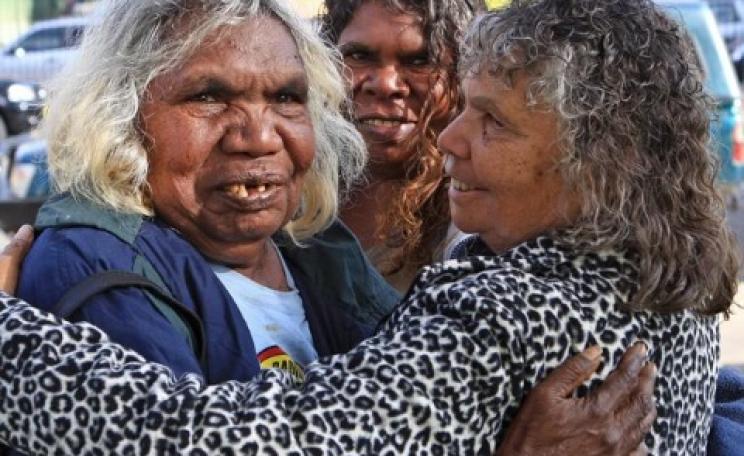
Australia's nuclear industry has a shameful history of 'radioactive racism' that dates from the British bomb tests in the 1950s, writes Jim Green. The same attitudes have been evident in recent debates over uranium mines and nuclear waste, but Aboriginal peoples are fighting back!
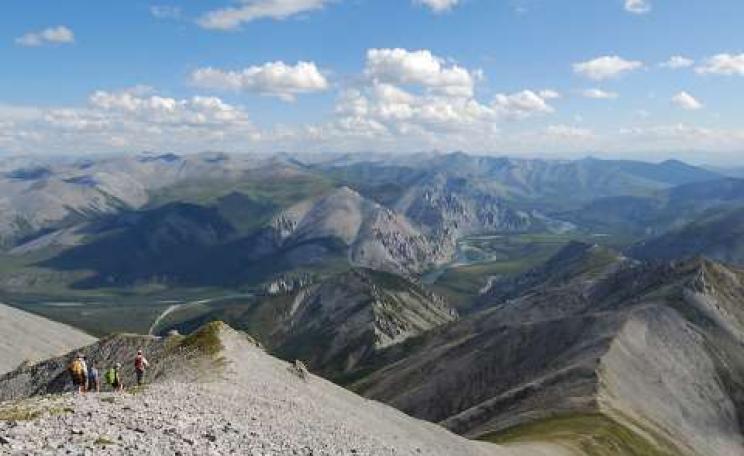
Next week the indigenous peoples of the Yukon challenge their Government in the Territory's Supreme Court, writes Jill Pangman. At issue, its plans to open the Peel watershed, a vast unspoilt ecosystem rich in wildlife and cultural meaning, for industrial development.
Africa sustains some of the most spectacular ecosystems on the planet - from the Sergengeti to the Congo Basin to the Eastern Arc forests. But those ecosystems and their iconic wildlife are now facing their greatest peril, writes William Laurance - a mining boom of unprecedented intensity.
A remote corner of Sweden's Arctic forest has become a battleground, writes Alex Forss, over proposals for a huge iron mine that would occupy a key reindeer migration route. And with their cultural and economic survival under threat, it's a battle the Sami cannot afford to lose.
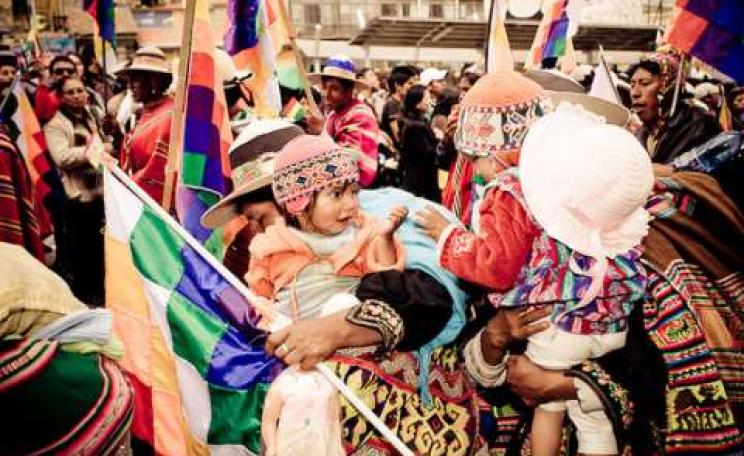
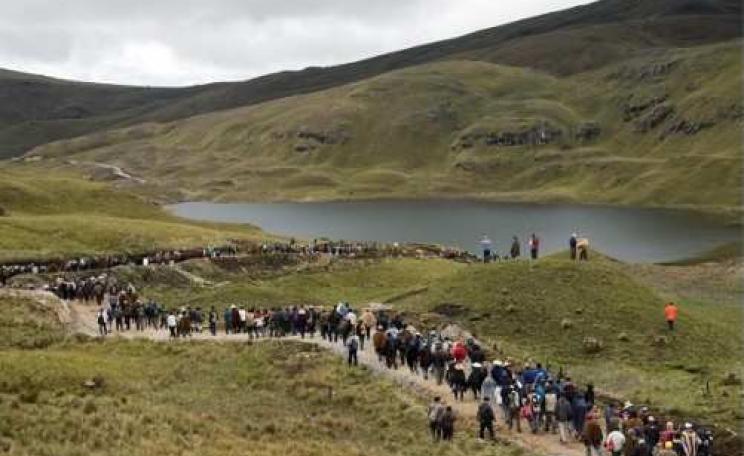
The government of president Evo Morales has approved a new mining law for Bolivia giving precedence to mining over other interests. It's proving highly divisive within the country - and indigenous communities are on the march to protect their rights to land, water and dignity.
Spain's Coto Doñana shows the value of EU conservation law, writes Laurence Rose, as the UK tries to get rid of the Birds and Habitats Directives. Both have proved essential to the protection and restoration of one of Europe's greatest wetlands.
Ecuador is facing an unprecedented confrontation between a 'progressive' left-leaning government and a national coalition of indigenous peoples determined to stop vast oil and mining projects taking place on their community land and villages.
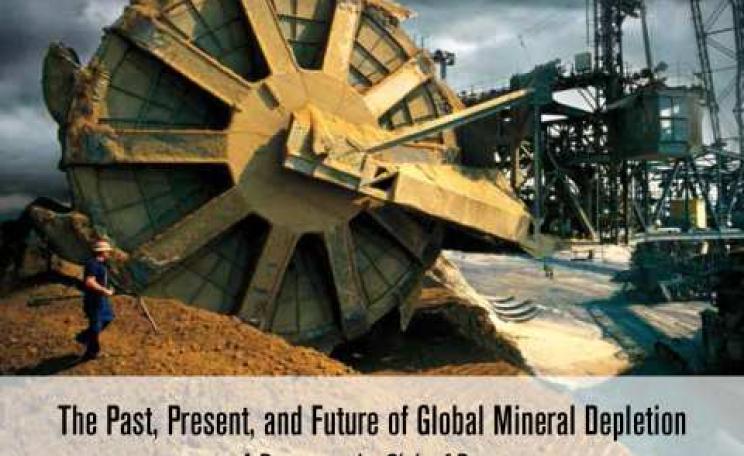
Are we going to run out of minerals? That's the central question of a debate that has been raging for a couple of centuries, writes Ugo Bardi, when it first became clear that minerals are not life forms - and do not reproduce as we extract them from the Earth's crust.
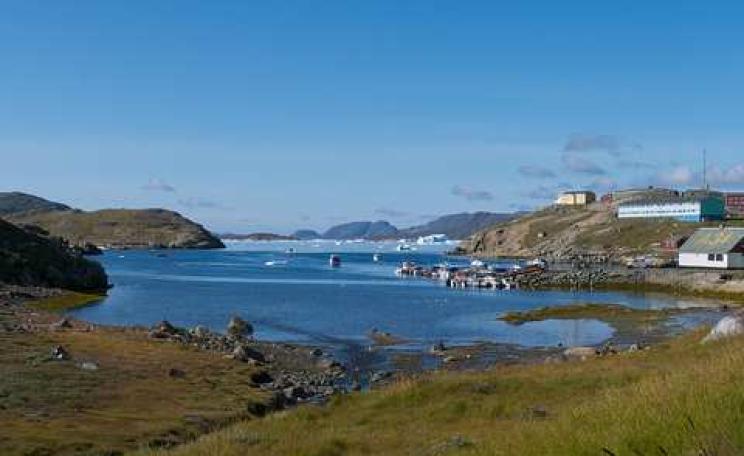
Last October Greenland repealed a law that banned uranium mining. Now mysterious Australian mining companies are staking out the country for exploitation. But as Antony Loewenstein reports, local fears are growing, and political opposition is heating up.
The Amazon basin faces 'ecosystem collapse' according to a new report about hundreds of major dams and other mega-projects planned for the region - home to the world's greatest rainforest. David Hill reports.
Australian environmentalists have launched a lawsuit against plans to expand a coal port that threatens the Great Barrier Reef, writes Maxine Newlands. The approval came in spite of warnings from UNESCO and marine scientists that the Reef is already 'in danger'.
Left-wing, progressive politicians hold sway across Latin America, writes Benjamin Dangl. But defying their own 'green' rhetoric, they are committed to mining and other environmentally damaging development. Now they face growing resistance from small farmers and indigenous peoples.
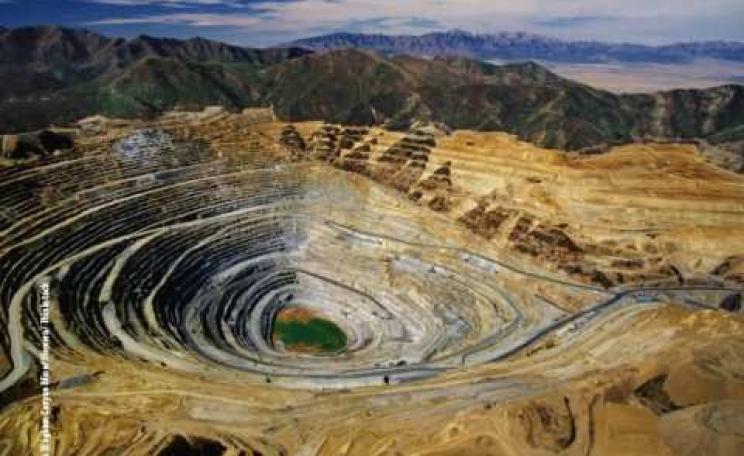
Deep in Ecuador's Amazon rainforest, a gigantic open pit copper and gold mine is planned in the heart of the Shuar peoples' territory. David Dene tells the story of a growing international campaign to uphold and defend the 'Rights of Nature', in Ecuador and beyond.
A series of judgments against Canada in secret corporate tribunals costing taxpayers $100s of millions show that 'free trade' agreements really do restrict governments' right to protect health, environment and endangered species, writes Nick Dearden.
This Saturday War on Want holds its Frontlines conference in London on the global conflict between communities and corporations, writes Paul Collins. Featuring a host of inspiring speakers, it will forge new alliances and new strategies of resistance.
Greenland's first female prime minister is on a modernising drive to prosperity and independence, But will the combination of melting glaciers, oil, mining projects and mass immigration bring wealth or destruction?
The curse of Uranium has fallen once again on the Black Hills of South Dakota, ancestral home to the Lakota Indians - now fighting a massive mining project that threatens land, rivers and groundwater. But this time, writes Ben Whitford, the Lakota are not alone ...
A vast bauxite mine in India that would destroy the 'sacred mountain' of the Dongria Kindh people has been quashed following a local referendum that decisively rejected the $8.1 billion project.
Protests at the proposed mining of nickel and copper in the heart of Russia's Black Earth belt have been escalating - as has the smear campaign against the protesters. Konstantin Rubakhin sees this as a positive sign ...
Mining and oil drilling are essential to the industrial world - but they are also linked with severe environmental and social damage, not to mention corruption. Clare Short, chair of the Extractive Industries Transparency Initiative, spoke to Alex Stevenson.
Romania's parliament has voted down changes to mining laws that would have allowed Europe's biggest open cast pit gold mine to go ahead at Rosia Montana in the Carpathian mountains.
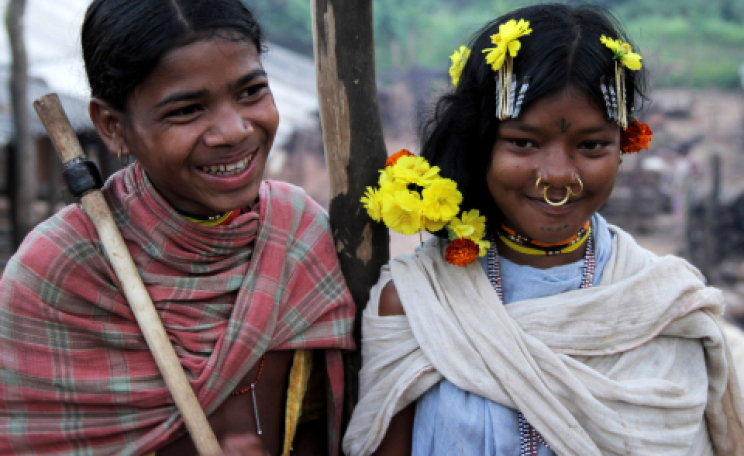
India’s Dongria Kondh tribe have rejected plans by mining giant Vedanta Resources for an open-pit bauxite mine in their sacred Niyamgiri Hills. Although the decision is not yet final, the case has been hailed as an unprecedented triumph for tribal rights ...
Aung San Suu Kyi is the international face of Burma and a global icon of courage, endurance and moral authority. But as Guy Horton reports from Burma, she is now actively colluding with the Burmese military's violent campaigns against minority ethnic and religious groups.