Ecuador's president, Rafael Correa, has personally attacked eco-defender Carlos Zorrilla in TV broadcasts for resisting a vast new copper mine in a precious area of pristine cloud forest, and opposing the advance of oil exploration into the Amazon. Fearful for his life, Zorilla is now seeking international support for his, and his community's, battle for land, water and the natural world.
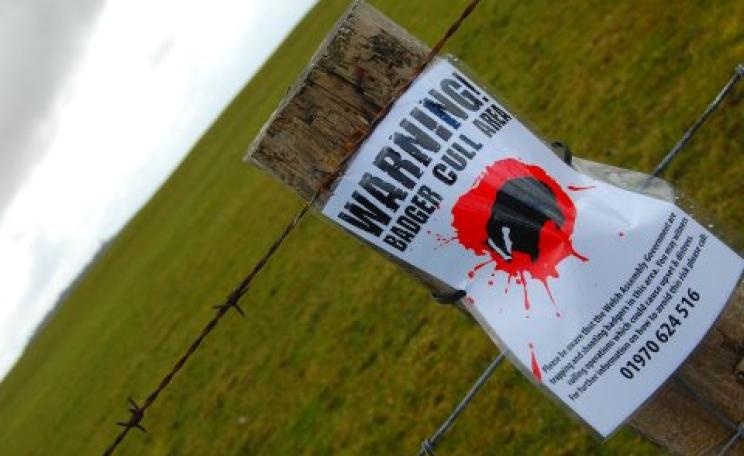
David Cameron has called the badger cull is 'probably the most unpopular policy for which I am responsible', writes Dominic Dyer. But unable to break his pledge to landowners and the NFU, he has left Environment Secretary Liz Truss to fudge the issue until election time. Electorally fatal? So events may prove.
The Labour Party has launched a new manifesto for wildlife protection, writes Angus Nurse - and a good thing too! But turning the tide for nature will take more than stricter laws and penalties. Ultimately it's about enforcement. And that means prioritising wildlife crime, committing expert officers, and providing resources.
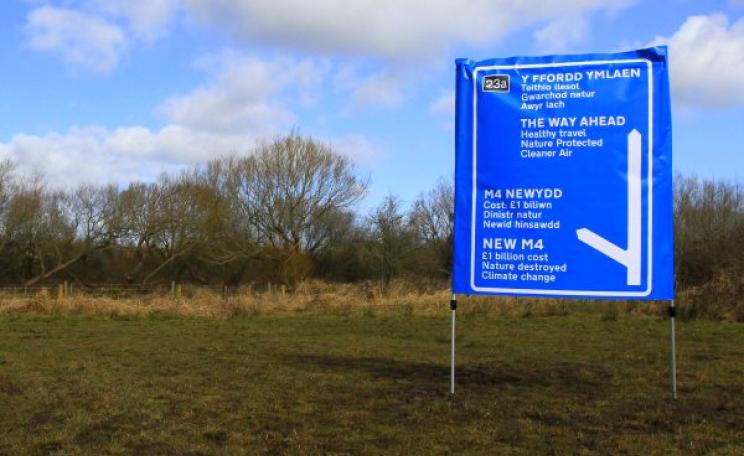
A Friends of the Earth Cymru legal challenge to the Welsh Government's 'irrational' plan to drive a new branch of the M4 motorway across the highly protected Gwent Levels wetlands begins in the High Court today.
'Ocean giants' in our coastal waters are increasingly rare, writes Dr Lissa Batey, thanks to a host of threats from pollution to entrapment in fishing gear. Marine Protected Areas in England and Wales could help restore our cetaceans to their former abundance - but so far, only one has been designated for these species in Wales, and none in England.
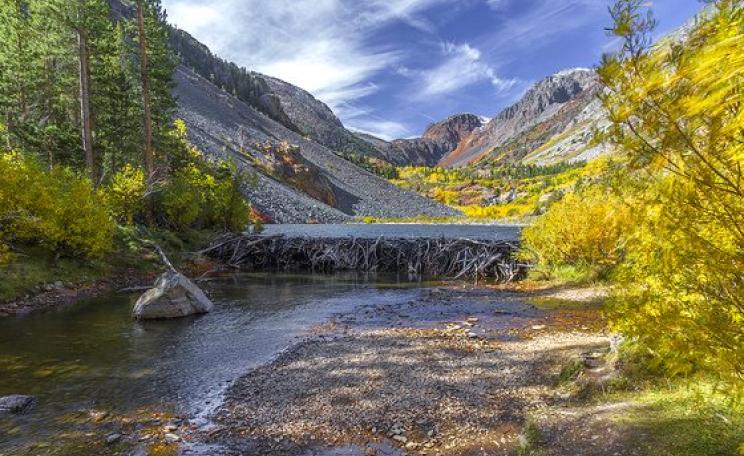
With California's wild Coho salmon populations down to 1% of their former numbers, there's growing evidence that beavers - long reviled as a pest of the waterways - are essential to restore the species, writes Maria Finn. In the process, they raise water tables, recharge aquifers and improve water quality. What's not to love?
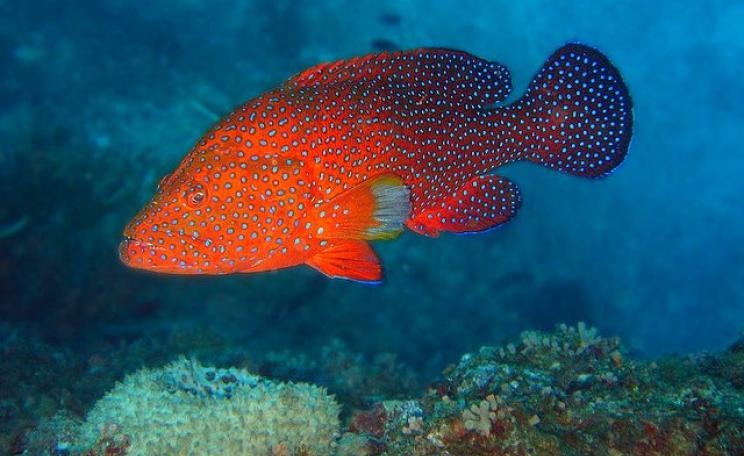
A powerful call has gone out the the US Export-Import Bank not to finance a massive coal mine, railway, port terminal and dredged 'canal' through Australia's Great Barrier Reef with $1 billion in loans and guarantees.
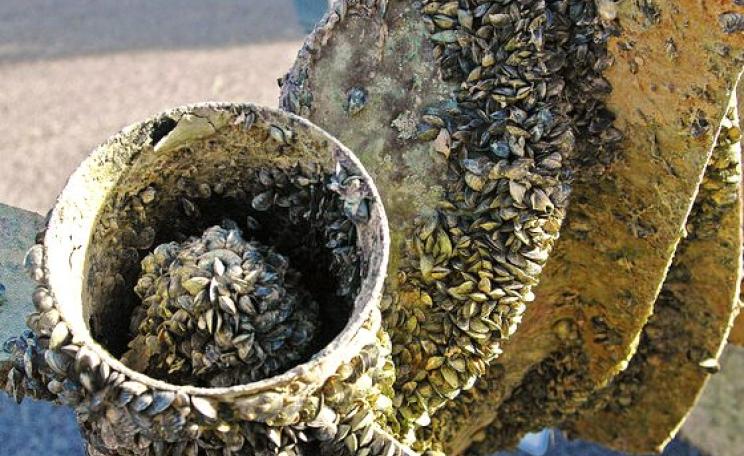
The zebra and quagga mussels, exotic invaders from the Caspian, are already causing huge damage in North America by 'biofouling' and disrupting native ecosystems, writes Yannic Rack. And now Britain is having to gear up for an impending invasion that threatens a costly meltdown of our aquatic biodiversity.
While the world gears up for Jungle Book fever, something sinister is afoot in the forests of India, writes Tom Linton. No, not Shere Khan, but zealous officials illegally evicting indigenous communities from their ancestral forests in the name of 'conservation' - and to make way for tiger tourism. And it's happening across India putting millions of people under threat.
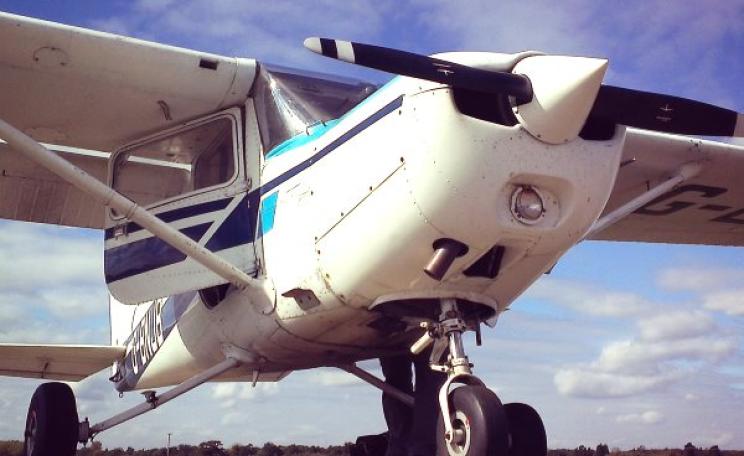
Aerial surveillance is a proven and effective technique in tackling wildlife crime, writes Elizabeth Claire Alberts - so the arrival on the scene of a new wildlife organization dedicated to providing air reconnaissance services to frontline environmental defenders couldn't come too soon.
The latest version of the Infrastructure Bill released today has been amended to avoid defining the areas that will be protected from fracking, leaving that to 'regulations' to be pushed through after the general election. So if the Tories win, get ready for fracking everywhere!
An ancient grassland SSSI at Rampisham could be saved following a government decision to put an 'hold' notice on the West Dorset Council's planning consent for a huge solar farm, writes Martin Harper. Now Eric Pickles must 'call in' the case to a public inquiry, or set a truly dreadful precedent for our most precious nature sites.
Using new technologies to take on poaching in Africa is reaping big dividends, writes Thomas Snitch. Where drones are deployed as part of an integrated package of measures, poachers quickly give up. The trouble is, they move to other unprotected locations. So we must extend the program to all of Africa's most at-risk areas.
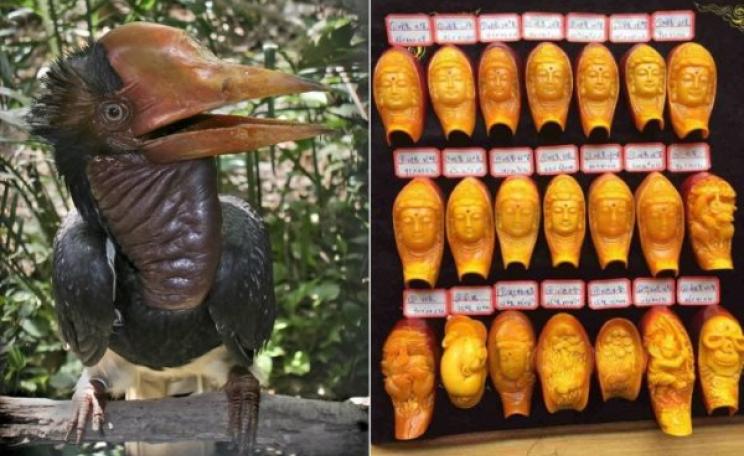
We all know about the risk to elephants and rhinos from the illegal wildlife trade, but now the helmeted hornbills of Borneo and Sumatra are at risk as online traders find ready buyers for their carved beaks in China.
Natural England announced today that the wild beavers living on Devon's River Otter will be allowed to remain free under a 're-introduction' licence granted to Devon Wildlife Trust.
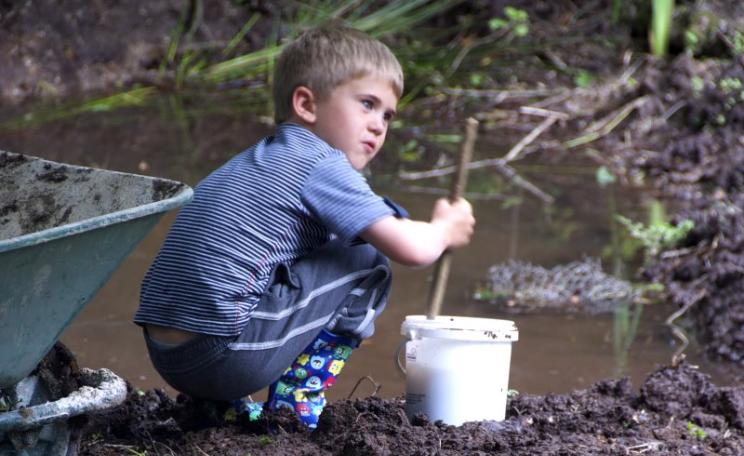
A new book aims to get children off their mobile phones and back where they belong: in the great outdoors. It's packed with well thought-out, purposeful activities to get children interacting with nature, but Martin Spray wonders: is it all trying too hard? Has the essential nature of 'play' somehow been forgotten?
Ranchers can deliberately abuse public land and the wildlife that lives on it at will, writes George Wuerthner, confident that any breaches of the law are likely to be overlooked. But it's another thing altogether if you're trying to protect that land from destructive exploitation. Why the double standard?
In this imaginary letter to the father of modern taxonomy and ecology, Carl Linnaeus, about the current status of life on Earth, Gianluca Serra suggests renaming the human species from the self-satisfied 'wise' to 'obtuse' - if only to spare us from the ridicule we so richly deserve for our collective insanity.
A legal challenge has been launched against what would be Australia's biggest coal mine, writes Samantha Hepburn. If it succeeds, all future coal mine assessments will have to include the impacts of the resulting CO2 emissions on Australia's most important nature sites, such as the Great Barrier Reef.
Sneaked out just before Christmas, Defra's assessment of the 2014 badger cull inspired NFU leaders to claim 'success', writes Rosie Woodroffe. But the figures indicate the precise reverse: that too few badgers were killed to be effective against bovine TB, indeed the cull may even help to spread the disease.
Indigenous forest dwellers in India's iconic Kanha Tiger Reserve have suffered another round of illegal forced evictions at the hands of the country's Tiger Conservation Authority - a move that is threatening the future of the tigers themselves.
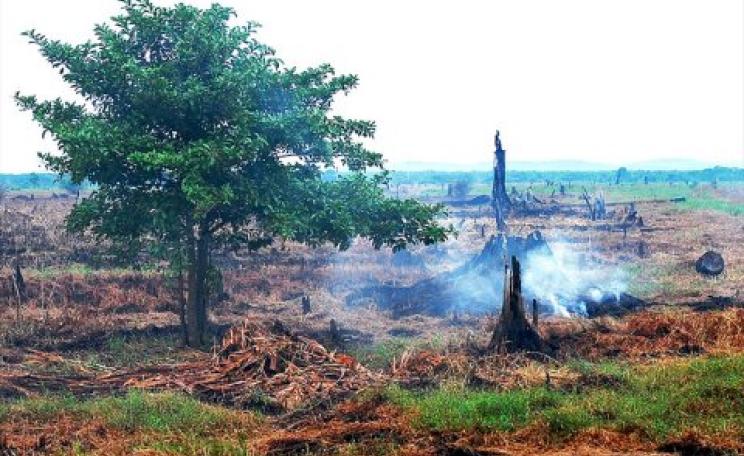
Human exploitation of peatlands has led to some of the biggest fires on Earth, including one in Indonesia that released 2.5 Gt of carbon, writes Tim Radford. A new study calculates that the world's peatlands contain almost a trillion tonnes of carbon at growing risk of burning.
With Monarch butterfly numbers down by 90% in 20 years - largely as a result of GMO crops in key feeding areas - the US Fish and Wildlife Service is reviewing the insect's status with a view to granting it legal protection under the Endangered Species Act.
Sneaked out shortly before MP's Christmas recess, the Government's decision to 'carry on culling' badgers with no evidence that the slaughter is reducing the incidence of bovine TB is a travesty of process, writes Lesley Docksey. But it does have one useful outcome - it has exposed Defra's claims that the cull is 'science-led' as arrant nonsense. Science never even got a look in.