We humans have much to learn from our kissing cousins, the peaceful, empathic, playful, sensual and highly sexual Bonobos, writes Susan Block. Rather than play out the myth of ancestral 'killer apes', better follow the 'Bonobo Way', and extend our love to all living beings and Earth herself.
Despite a raft of legislation to protect our wildlife, 60% of our key species are in decline, writes Jenny Jones. That's why we need a new and positive approach, going beyond protection to rebuilding flourishing, sustainable wildlife populations. And people too will see the benefits - in our own as is our health and wellbeing.
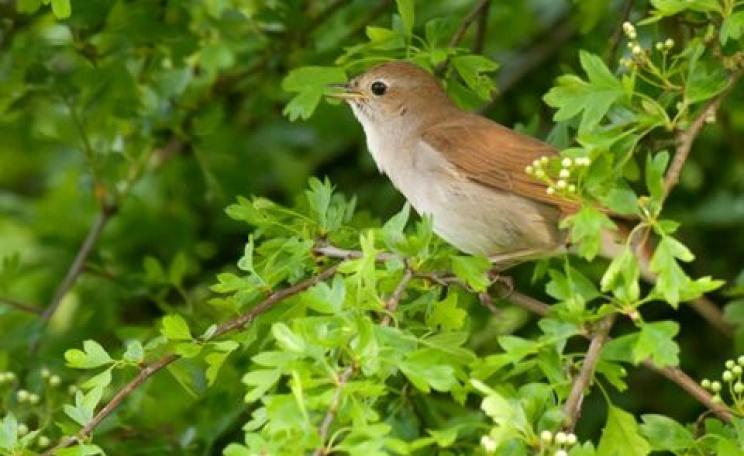
When Tory MP Mark Reckless jumped ship to join UKIP last September, one of his reasons - missed by mainstream media - was his outrage at Medway Council's plan to build 5,000 houses on an internationally important sanctuary for nightingales, after ministers tipped the wink that they would 'green-light' the scheme.
Disaster threatens England's nightingales, already down 90% in 40 years, if ministers fail to block a plan to build 5,000 homes on SSSI breeding site in Kent. But as Robin McKie writes, the government is showing no sign of intervening, as campaigners warn of an 'open season' for development on our most important wildlife sites.
London Major Boris Johnson has taken a key first step towards a new Greater London National Park to safeguard the city's green spaces, waterways and natural treasures - and open them up for people to enjoy.
If you go down to the woods today you're in for a big surprise, writes Jocelyn Timperle - Europe's bears are are on the increase, with 17,000 of them at large, along with 12,000 wolves, 9,000 lynx and 1,250 wolverines. Moreover these carnivore populations are co-existing with people with remarkably few problems.
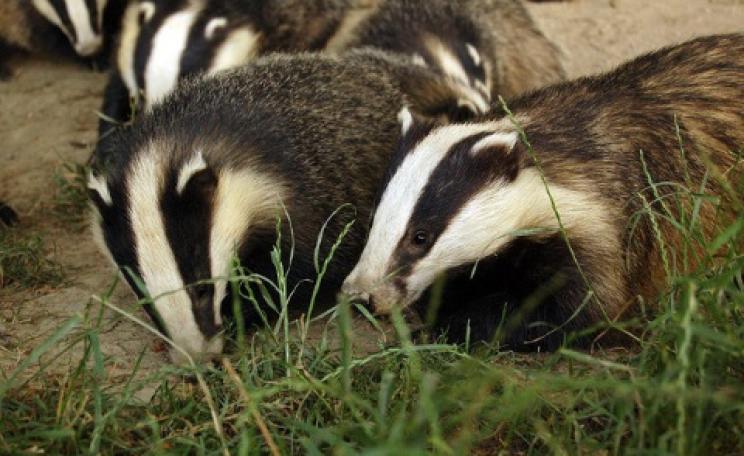
England's 2014 badger cull has failed to meet key targets for effectiveness with such low numbers of animals shot that TB spread is likely to be increased. But Defra boss Liz Truss insists the cull will go on regardless.
The EU faces a choice: a green, democratic future of clean prosperity and social justice? Or a dirty future of corporate domination with resurgent nuclear power, expanding fossil fuels, GMO agriculture and weak human and environmental protection? Junckers' Commission represents the latter. We must assert our own vision - or there will be little worth staying in for.
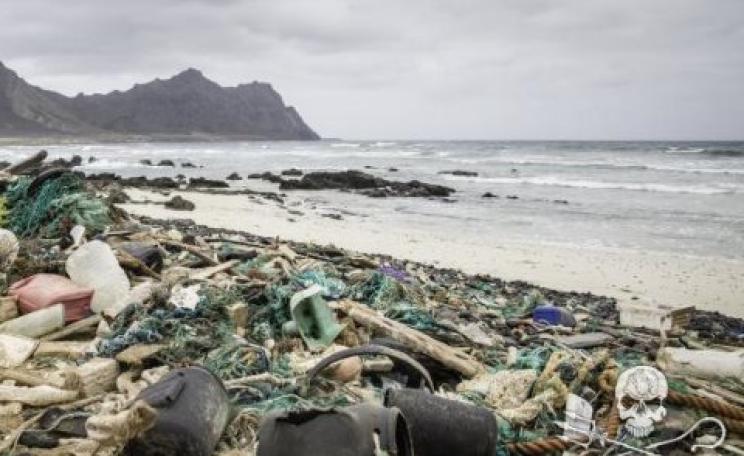
The oceans are awash with plastic, write Magnus Johnson & Melanie Coull, with dire effects on marine wildlife mistaking it for food. But it's not just big animals like basking sharks, turtles and albatrosses that suffer. The very worst damage may be caused by particles too small for the eye to see, and the toxic chemicals that cling to them.
England's 2015 trial badger cull will be moved to summer, writes Damian Carrington - when cubs are numerous and easy to shoot. The surprise move follows 2014's failed autumn culls, which missed their minimum kill targets.
MPs will be lobbied today by wildlife supporters desperately concerned at the declining state of Britain's nature, writes Martin Harper. Despite clear warnings that both 'protected' sites and threatened species are faring badly, politicians find it all too easy to look the other way. Hence the need for a Nature and Wellbeing Act.
Traditional melodies collected from Nordic countries and filtered through MaJiKer's unique sonic imagination are raising awareness, and funds, for nature conservation. He spoke to Laurence Rose about a four-year labour of love inspired by nature and the sounds of the high North.
From the creation of the very first national parks and game reserves, 'conservation' has always been about repressing and expropriating indigenous tribes, Survival International director Stephen Corry told Alice Bayer. And despite all the evidence that indigenous peoples are the best wildlife managers, old attitudes die hard ...
Farming today is well on the way to becoming a wholly owned subsidiary of the agro-chemical-biotech industry, writes Colin Tudge. Defra and the European Commission are all too keen to make it so, reflecting the interests of an agro-oligarchy obsessed with profits and growth at all costs. But there is an alternative. Join the 'real farming' agrarian renaissance ...
The 2009 Marine Act was meant to result in a full network of marine protected areas along the UK coast, writes Tom Hickey. But since then far too few MPAs have been created, and no real change or action has followed. Hence the launch of the Marine Charter today - to galvanise political will - and manifesto commitments - for the 2015 election.
The Court of Appeal last month ruled that England's Badger cull is lawful despite the lack of independent supervision. But on the eve of a fresh Parliamentary debate, and with public opinion backing the badgers all the way, the Badger Trust is the clear winner where it really matters - in public hearts and minds.
The US EPA has approved new GMO corn and soybean varieties resistant to both glyphosate and 2,4-D, writes Jim Goodman - and the highly toxic herbicide mix itself. In this latest escalation of the chemical war against nature there is one clear winner - Dow AgroSciences. But everyone else loses - farmers, consumers and our increasingly endangered wildlife.
Friends of the Earth has filed a lawsuit to challenge Natural England's secretive grant of a licence allowing the Government to trap wild beavers on the River Otter in Devon.
Shearwater chicks are cute grey furballs with beaks, writes Simon Ager, and they are all too ready to use them on pesky wildlife researchers. But Cape Verde offers abundant compensations to nature lovers - so many that its future surely lies in conserving, not exploiting its biological riches.
With 300,000 hectares of forests, fields and steppes damaged by fire, the war in Ukraine has done huge damage to the country's environment, writes Dimiter Kenarov. But there has been an upside: a new green spirit is taking root, and young volunteers are stepping in to protect wild spaces.
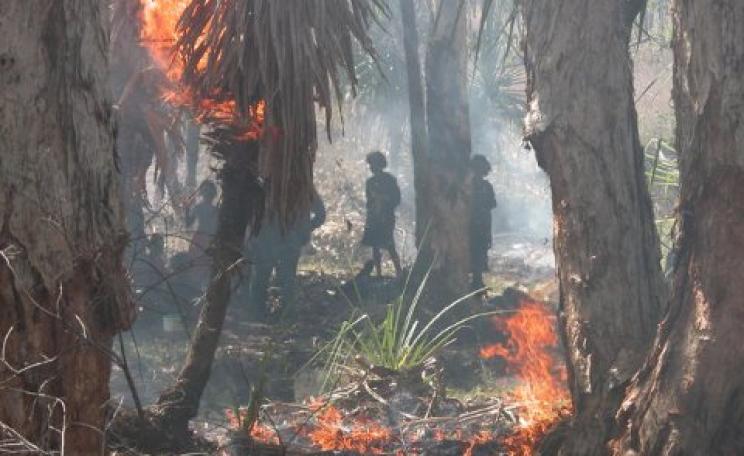
Almost three quarters of Australia's landmass is 'outback', writes John Woinarski, making it one of our planet's greatest natural areas. Yet it has many of the hallmarks of a 'failed state': its native peoples live on the margins, and its biodiversity is under threat. Now a new conservation model shows a way forward for both: Indigenous Protected Areas.
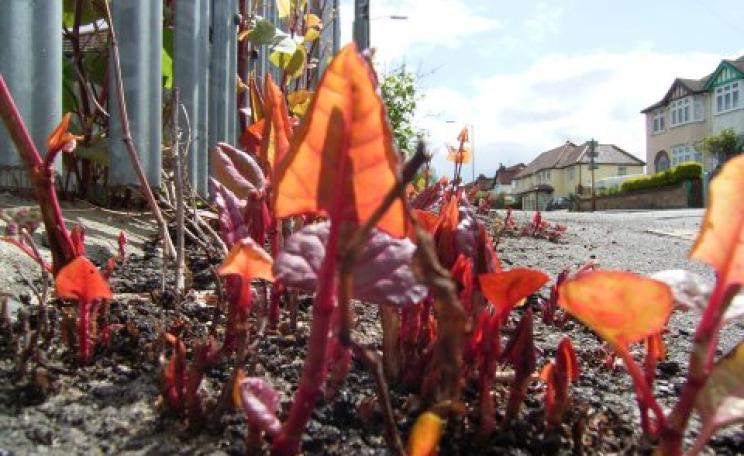
Since Japanese knotweed won a gold medal in 1847 as 'interesting new ornamental of the year', it has become far too much of a good thing, writes Kate Constantine. But could the oriental triffid be tamed following the UK introduction of a specialist pest from Japan's volcanic uplands?
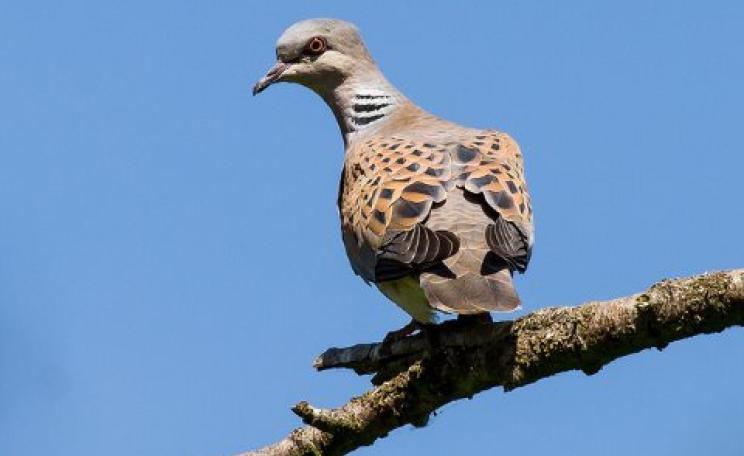
A new report reveals huge declines in the UK's migratory birds that winter deep in Africa's rainforests. Shorter distance migrants are performing much better, with some recording big population increases.
Ebola and many other diseases have their origin in wild animals, writes Robert Young. The biggest opportunities for infection arises when people hunt and eat diseased animals, exposing themselves to their viruses and bacteria. To keep 'other ebolas' at bay, we must put an end to the bushmeat trade.