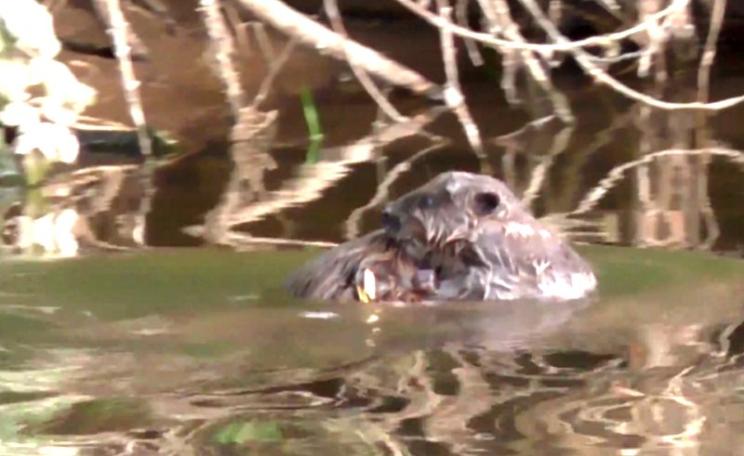
Soon after Devon's wild beavers on the River Otter escaped capture by zealous officials, they have given birth to two or even three kits - a clear indicator that they are happy in their habitat, and there to stay!
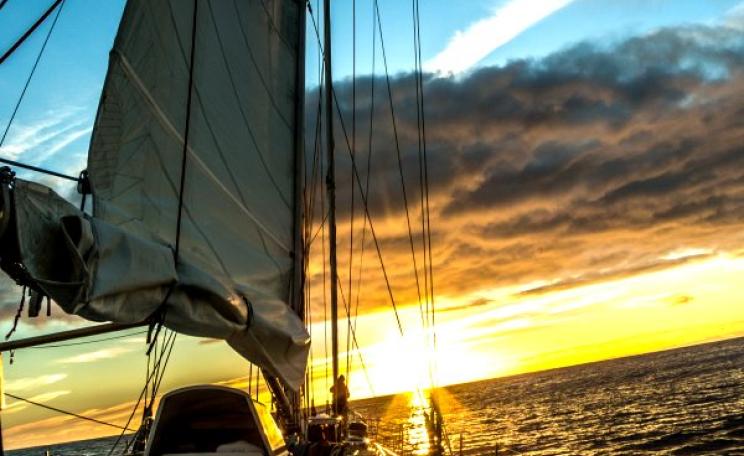
Three scientific expeditions into the Atlantic ocean will take place this summer, writes outdoor philosopher Kate Rawles. But as well as gathering data about plastic pollution and over-fishing, they will give participants the chance to think deeply about our society, its values, the often false narratives it tells; and our place, as humans, in the natural world.
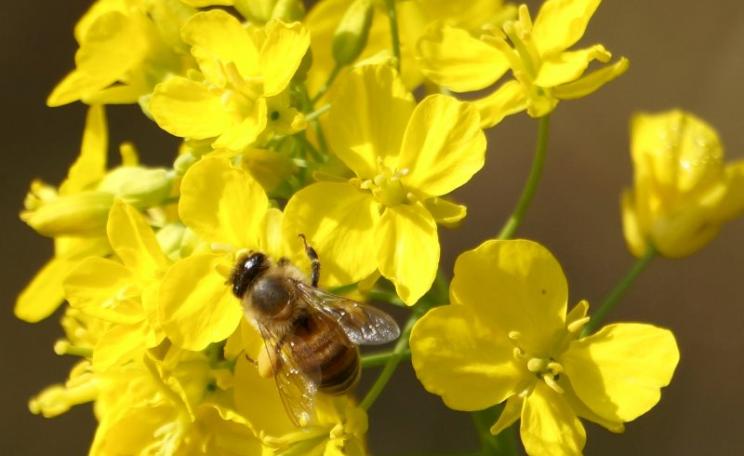
In 2013 the EU imposed a moratorium on three of the most toxic of the neonicotinoid pesticides in an attempt to save wild bee populations. Now farmers have applied to lift the ban, writes Nat Whalley. Time to call on environment secretary Liz Truss, who today receives a 300,000-signature 'save the bees' petition, to say 'No!'
You can help save our bees with 'citizen science', writes Paul de Zylva - recording those you spot in your local area to help build up a long term picture of their changing numbers. Today we publish an identification guide to the 'top ten' bees, so you can get started right away. But be quick - the Great British Bee Count 2015 ends on Sunday.
Europe's most important laws for wildlife, the EU's Nature Directives, are under threat in from a recently launched 'review', writes Martin Harper. The official purpose is to make the laws more effective, but in reality it's all part of the Commission's agenda to strip away regulations that impede business in its pursuit of profit.
Bee 'colony collapse disorder' cannot be ended by easy technofixes, writes Allan Stromfeldt Christensen. The real problem is the systematic abuse of bees in vast industrial monocultures, as they are trucked or flown thousands of miles from one farm to the next, treated with insecticides and antibiotics, and fed on 'junk food'.
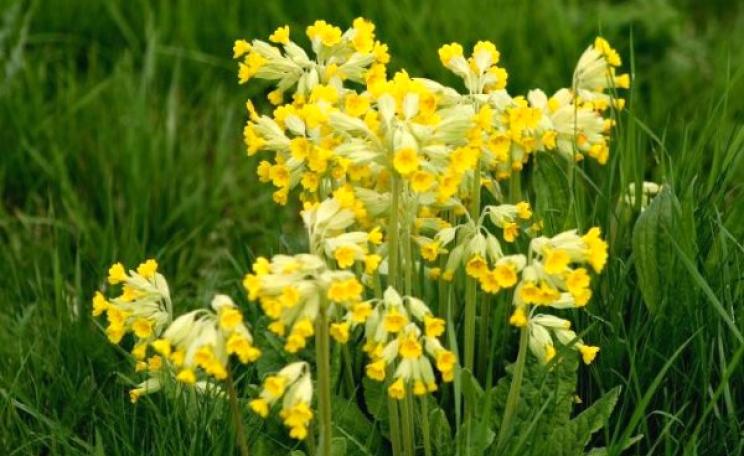
Decades of regular mowing left my front lawn looking bare and sterile, writes Jo Cartmell. But in fact, the exhausted, infertile soil made it the perfect place for a host of wild flowers to take up residence - some from planted seed, others blown-in, or from long buried seed lying dormant in the soil. And after that, the butterflies ...
President Obama Earth Day appearance on the Florida Everglades' failed to disguise the truth, writes Grant A. Mincy - that governmental and corporate domination of ecosystems brings their all too predictable destruction. It's not national parks that will save our nature, but restoration of the commons and their management by local communities.
Calling the natural world 'it' absolves us of moral responsibility and opens the door to exploitation, writes Robin Wall Kimmerer. To make our kinship with all life on Earth a life-affirming daily reality, we need a new pronoun for our fellow beings.
If you care about the wildlife in our countryside and the welfare of animals, then make your vote count in the general election, writes Joe Duckworth. Backed by Cameron himself, 'country sports' enthusiasts are getting organised to support pro-killing candidates. We must be even more effective in opposing them.
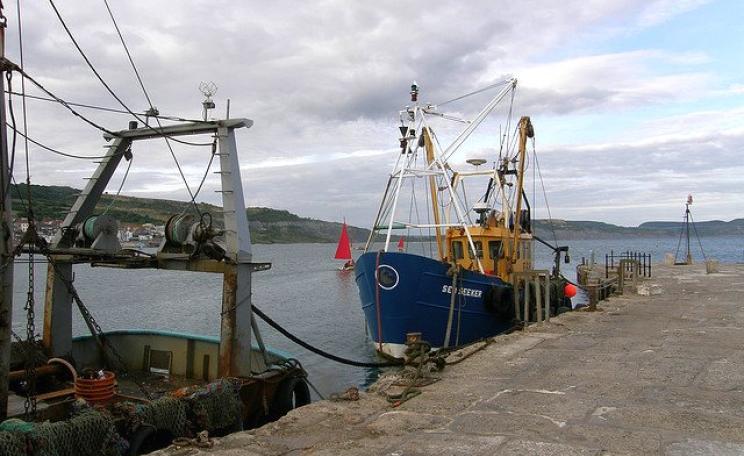
The strongly protected marine reserve in Lamlash Bay, Arran, has been a huge success, write Bryce Stewart & Leigh Howarth, with abandant life returning to the once denuded waters. The government's refusal to expand such protections represents a huge wasted opportunity for both fishing and the marine environment.
A coveted award has put the campaign to protect and recover marine life in the Firth of Clyde, Scotland, into the international limelight. Goldman Prize winner Howard Wood explains how Arran Islanders' efforts to keep scallop dredgers out of Lamlash Bay has brought life, and fish, back to the sea.
Russia's Lake Baikal is under threat by a massive dam and pipeline on the main river that feeds into it, that would supply mines with power and water, writes Anson Mackay. In line to fund the project? The World Bank.
There's strong public support for protecting marine wildlife, writes Horatio Morpurgo - so why aren't politicians championing the cause? Labour and Tories alike fear to challenge the big fishing companies that have come to believe they own Britain's offshore waters and seabed. Now it's up to use to prove they're wrong.
Is it 'morally reprehensible' to arbitrarily decapitate roadside flowers? Yes it is, writes Martin Spray - at least in Switzerland. And now we know that plants have both senses and physiology, why not awareness and emotions too? Even legal standing to have their rights defended in court - at least if they are trees?
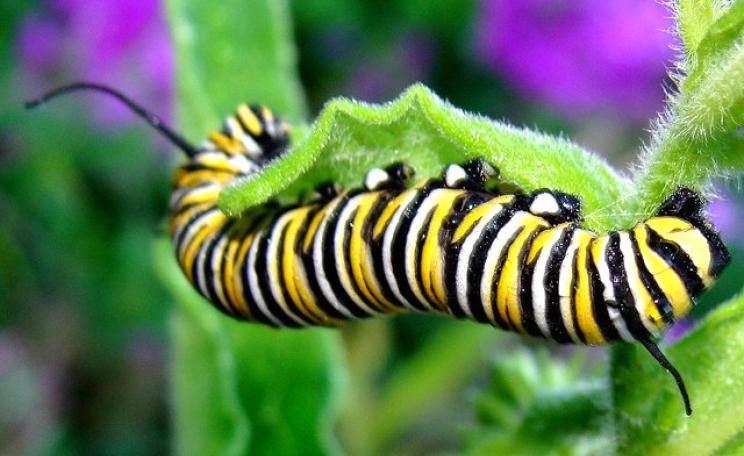
Monarch caterpillars are vulnerable to neonicotinoid toxicity at concentrations as low as 1 part per billion, writes Jonathan Latham, and that makes them vulnerable to residues from commercial crops - and even more so from horticultural use in plant nurseries!
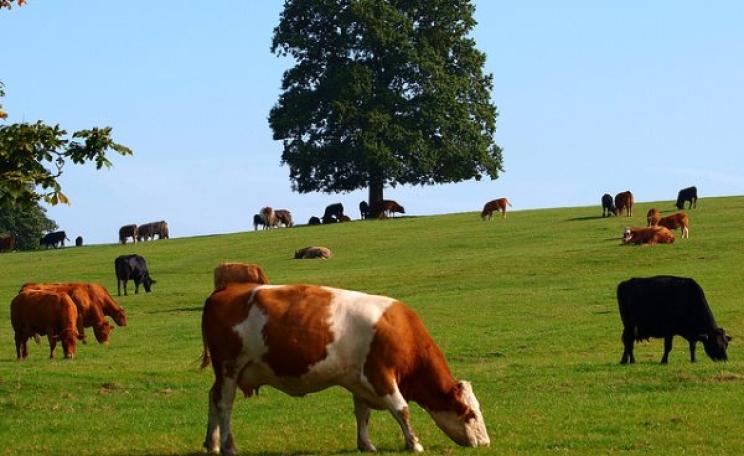
Organic farmer Charles Mann, aroused by The Ecologist's anti-cull stance, makes an evidence-based case for culling badgers in areas of high TB incidence - together with other measures including enhanced testing in apparently 'low risk' areas that present a high risk of disease spread.
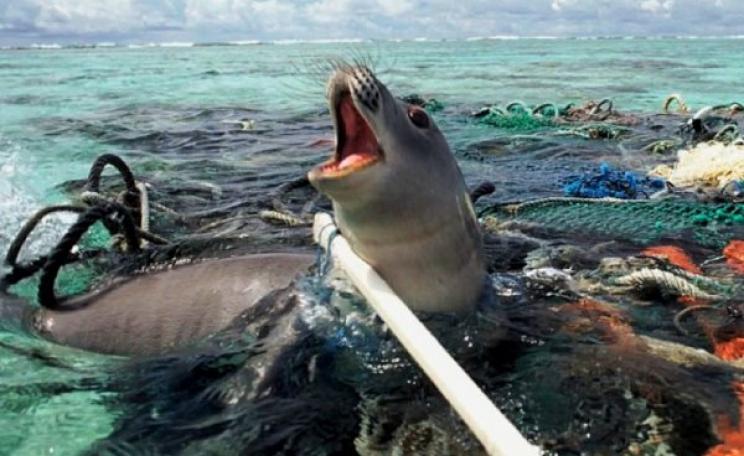
An unimaginably large volume of plastic debris is reaching the world's oceans every year, write Britta Denise Hardesty & Chris Wilcox - and it's set for a ten-fold increase over the next decade, adding to the already terrible toll on marine life from turtles to seals, sea birds and fish. The solution must be to give waste plastic value - if we can find a way.
A survey of threatened Arctic mammals highlights melting sea ice as a prime threat to eleven keystone species, writes Tim Radford - meaning that efforts to conserve them may be doomed to failure unless we also tackle the causes of climate change.
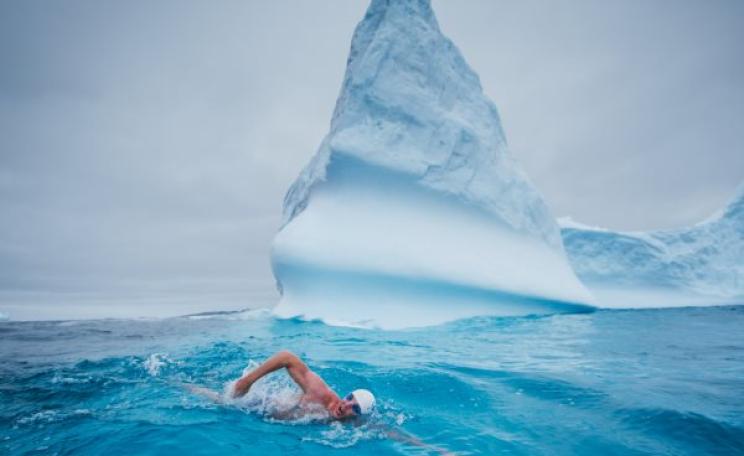
How to campaign for the world's biggest marine protected area in Antarctica's freezing seas? If you're Lewis Pugh, the answer's a simple one: swim there! And before your hands have even recovered from the frostbite, fly off to Moscow to persuade the Kremlin to back the idea. Yannic Rack met the intrepid swimmer in a cosy London pub ...
Modern agriculture - even among organic farmers - is often seen as a matter of soil chemistry, writes Lynda Brown. But an alternative view is gaining ground: that it's really about soil life. Nurture your soil-dwelling micro-organisms, and your crops look after themselves.
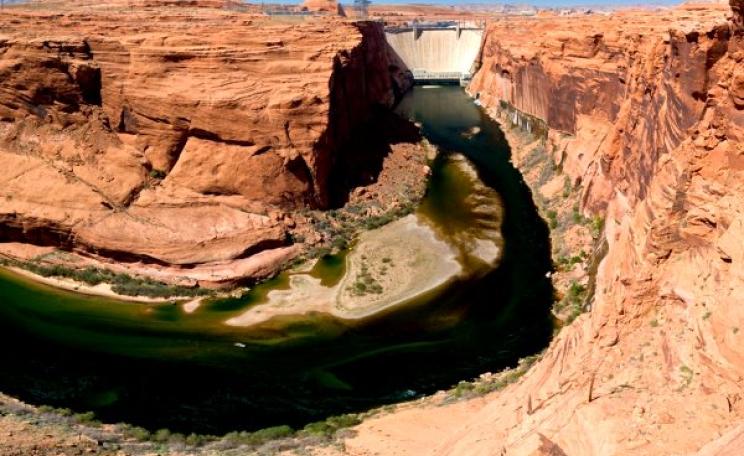
Drought is returning Lake Powell, impounded behind the Glen Canyon dam on the Colorado river, back to desert, writes Grant A. Mincy - and a fine thing too! As nature turns billions of dollars of infrastructural abomination to junk, this creates the chance to reclaim our commons and recreate ravaged ecosystems.
A new EU Regulation aims to limit the spread of invasive species through 'pathway controls' and bans on possession, transport and trade, writes Yannic Rack. But will it be up to the most important task - keeping the most hazardous aliens out, before they ever get the chance to become a nuisance?
Two thirds of Africa's lions have been lost in 35 years, and would-be hunters are increasingly shooting captive, farmed and often tame lions in 'canned hunts'. Claims are that this helps to preserve wild lion populations - but Dominic Dyer fears the reverse is the case.