This week, the International Maritime Organisation could act to curb fast-rising emissions from shipping under the Paris Agreement, write Barry Gardiner & Richard Burden. But there are growing fears that the UK government may seek to delay and obstruct vital progress.
BP's plans to explore for oil in the deep seas of the Great Australian Bight came under fire today at the company's Annual General Meeting in London, writes Graham Readfearn. The drilling would risk the ocean's rich marine wildlife - while blowing a massive hole in Australia's COP21 emissions targets.
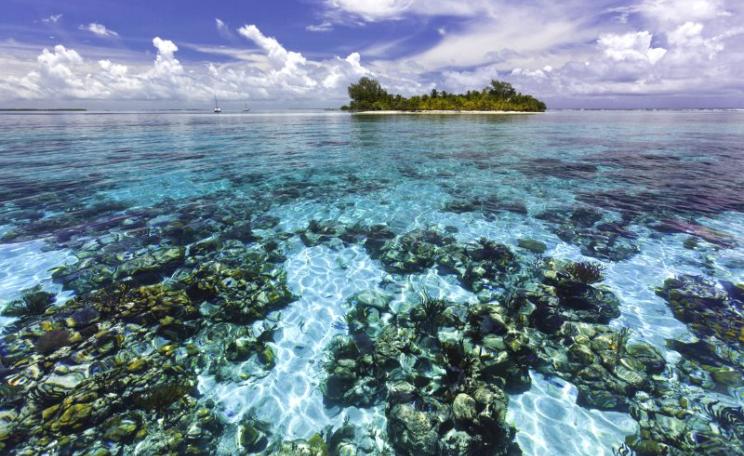
Large areas of the Great Barrier Reef are dying in what may be its greatest ever 'bleaching' event, writes James Dyke. The mass loss of the photosynthetic algae that sustain the coral is the result of this year's massive 'El Niño' perturbation to Pacific weather patterns, and global warming. Australia's response? The government has just approved leases for the world's biggest coal mine.
Of all the impacts of climate change, one stands out for its inexorable menace, writes Pete Dolack: rising oceans. And it's not just for distant future generations to deal with: new scientific studies show that people alive today may face 6-9 metres of sea level rise flooding well over a million sq.km including many of the world's biggest cities. So where's the emergency response?
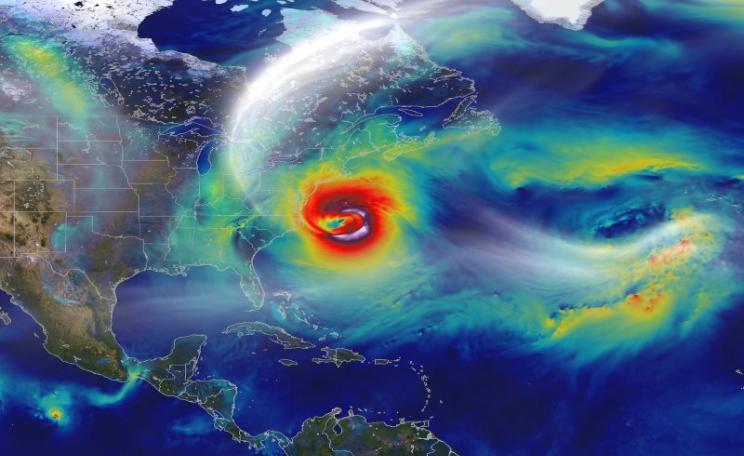
The giant waves that hit Cornwall's coast this weekend form part of a long term trend, writes Tim Radford. Extreme weather linked to global warming is leading to more violent and more frequent storms devastating beaches, ports, infrastructure and coastal communities on Europe's exposed Atlantic coastlines.
New research from Australia's Great Barrier Reef shows that no-take marine reserves don't just mean more and bigger fish, write Camille Mellin, Aaron MacNeil & Julian Caley. They also boost the resistance of reef communities to disturbances like storms, bleaching and predation, and speed their subsequent recovery. It's time for global rollout of coral reef marine reserves!
Precious World Heritage Sites that protect vital biodiversity and human cultures are at risk from oil decelopment and other industries. Under threat are not just nature, wildlife, land and water but the 11 million people who depend on the 114 sites' environmental quality for their livelihoods.
The dolphin drive hunts in Taiji, Japan have officially ended for the season, writes Ric O'Barry, however the offshore pilot whale hunt continues until the end of May. After a particularly brutal year, which culminated in my arrest and deportation from Japan, we at Dolphin Project will continue our crucial work to end the annual barbarity of cetacean killings and captures.
A coalition of fishing, consumer, and environmental groups are suing the FDA for its 'unlawful' approval of Aquabounty's GM salmon, as it relied on treating the fish as an 'animal drug' under a 1938 law, and ignored serious risks to wild salmon and fishing communities.
The much-derided Common Fisheries Policy must be one of the EU's most unpopular aspects, write Bryce Stewart & Griffin Carpenter. But in fact it has been a notable success, reflecting public concern over bycatch discards and restoring sustainability to Europe's fishing grounds, and profitability to a long declining industry.
The term 'global warming' has a reassuring, comfortable sound, writes Jim Hansen. But paleoclimate data shows the reality could be anything but, with rapid climate oscillations, large, abrupt rises in sea level, major disruptions to ocean circulation, and massive superstorms. It may already be too late to forestall this dystopian future - but then it may not be. So let's act while we still can!
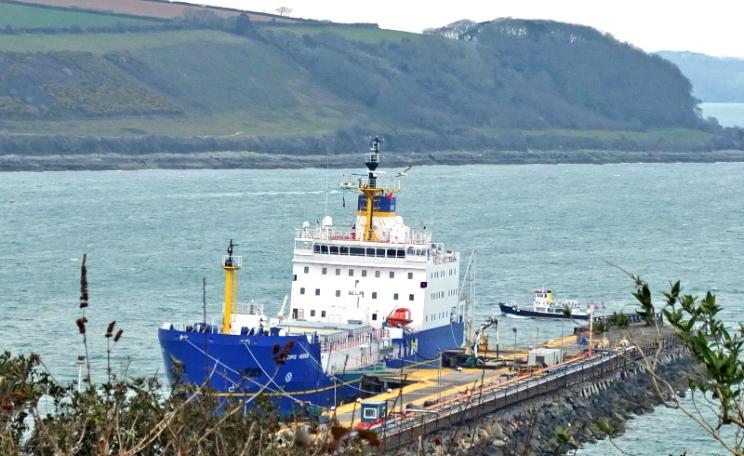
Two heavily armed, UK registered ships are currently engaged in the transport of UK sourced plutonium across the Pacific, writes Tim Deere-Jones. Details of their safety inspection records, survey status, voyage routes and location have been suppressed in the interests of security but the lack of transparency breaches a number of international safety standards.
A legal principle dating from Roman times is ripe for use in protecting our waste-filled and over-exploited seas and oceans, writes Deb Wright. Under the 'Public Trust Doctrine' governments are entrusted to protect shared natural resources from abuse, and can be held accountable for neglect of their duties.
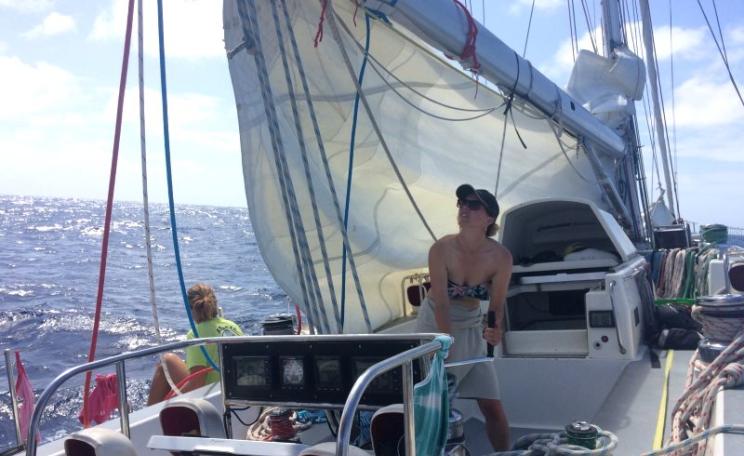
One of the biggest threats facing marine life is the 'microplastic' particles found in ocean ecosystems from bottom to top of food chains. Just back from a voyage of environmental exploration in the tropical Atlantic sampling the waters to build up a global picture of this ubiquitous pollutant, Ana Stanič writes of the joys and trials of life on the waves, and the need to keep our oceans clean.
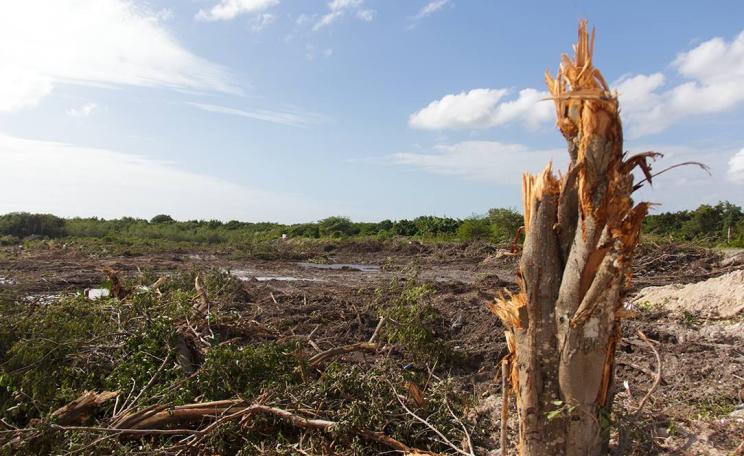
Mexico's tourist resort of Cancún has just lost one of its greatest natural riches, writes Miguel Rivas: 57 hectares of species rich mangrove forest, bulldozed in a massive overnight attack by property developers in league with local officials. But people power can still win the battle and see the Tajamar mangroves restored.
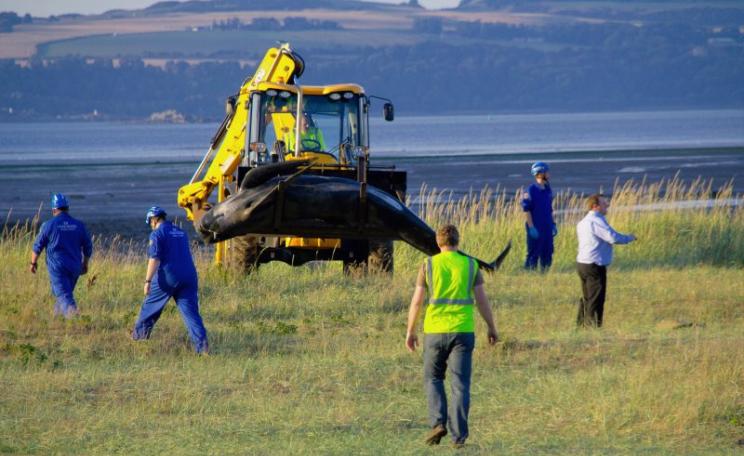
High levels of toxins mercury and cadmium have been found in all organs of the whales recently beached on Scotland's North Sea coast, including the brain. The research shows that rising mercury levels in the oceans leads to toxic stress in the long-lived marine mammals.
For long periods animals in ancient oceans could live only in shallow surface waters, above vast 'dead zones' inhabited only by anoxic bacteria, writes Richard Pancost. Human activity is now creating immense new dead zones, and global warming could be helping as it reduces vertical mixing of waters. Could this be the beginning of something big?
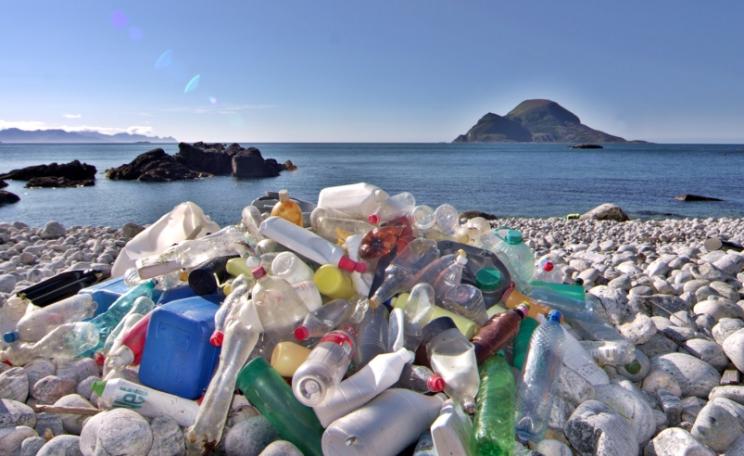
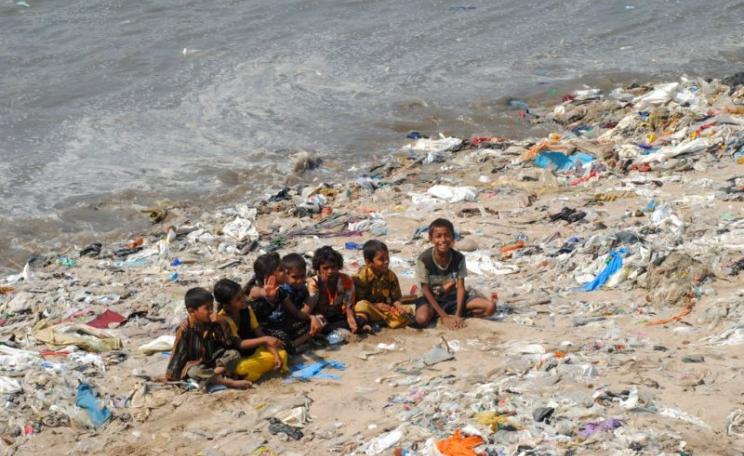
Long after we go extinct the human presence on Earth will be marked by a geological stratum rich in plastic garbage, according to a new study. Long-lived plastics are already widespread over the ocean floor, and there's a lot more on its way. Forget the 'Anthropocene' - the human era should rightly be called the Plasticene.
As worldwide stocks of plutonium increase, lightly-armed British ships are about to carry an initial 330kg of the nuclear bomb metal for 'safekeeping' in the US, writes Paul Brown. But it's only the tip of a global 'plutonium mountain' of hundreds of tonnes nuclear power's most hazardous waste product.
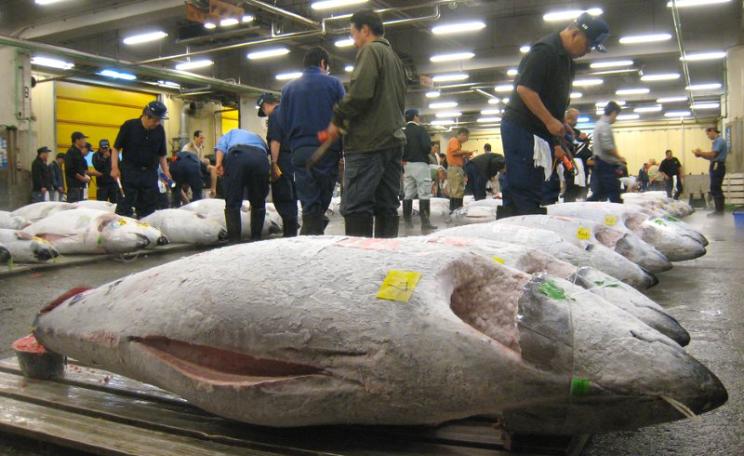
The global catch of fish and seafood is falling at three times the rate reported by the United Nations and urgently needs to be slowed to avoid a crash, reports Christopher Pala. The finding comes in a new study for Nature which quantifies the huge illegal industrial fish pillaging taking place around the world, together with artisanal catches, which in 2010 added over 50% to UN estimates.
Some of us are fortunate enough to have close relationships with the nature around us, writes John Aitchison. But what about everyone else? We must find ways to make people feel like old friends with wildife near and far, and feel that their wild homes and habitats are extensions of our own. And hence, that they are as deserving of our care as human neighbours - if not more so.
There is a simple formula for restoring life to over-exploited coastal fisheries, write Jane Lubchenco & Steven Gaines, and it has been proven to work from the Philippines and Indonesia to Mexico and Belize: to create local marine reserves for the exclusive use of local fishing communities.
Orcas from Puget Sound and the Strait of Georgia are under threat,in large part due to toxic organic compounds in the marine food chain, writes Sierra Rayne. To give them a fighting chance, the nearby community of Victoria, British Columbia must install advanced sewage treatment - rather than just dump its wastewater largely untreated into the orcas' ocean home.
Rising levels of carbon dioxide don't just cause global warming, writes Jason Hall-Spencer. Another consequence is acidifying oceans - which promises to disrupt marine ecology around the world, killing off oysters and corals, while boosting 'nuisance species' like stinging jellyfish.