Fresh or dried wild seaweed may be on sale in a supermarket near you, writes Fiona Bird. But much better than supporting what may be unsustainable harvesting, gather your own at low tide on rocky shores, picking just enough for your needs. Once a poverty food, seaweed is now a sought after ingredient that expresses the 'fifth taste', umami.
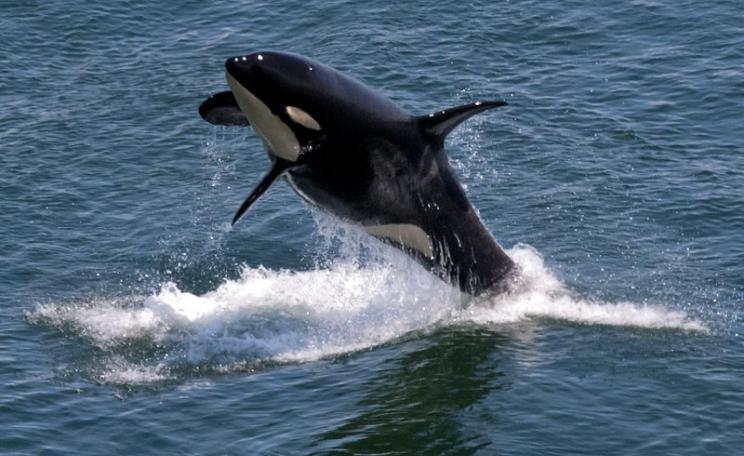
The Southern Resident Orcas of Puget Sound have plenty of problems, writes Kathleen Haase. But as the film 'Fragile Waters' makes clear, there's a common thread: us. Whether it's over-fishing Chinook salmon or polluting the ocean with toxic chemicals, we are driving them to extinction - and if we don't soon mend our ways, it will be too late.
Floating wind turbines offer huge falls in the cost of offshore wind power, writes Paul Brown, and could be generating power in UK waters at well under the cost of new nuclear by 2020, provided adequate support.
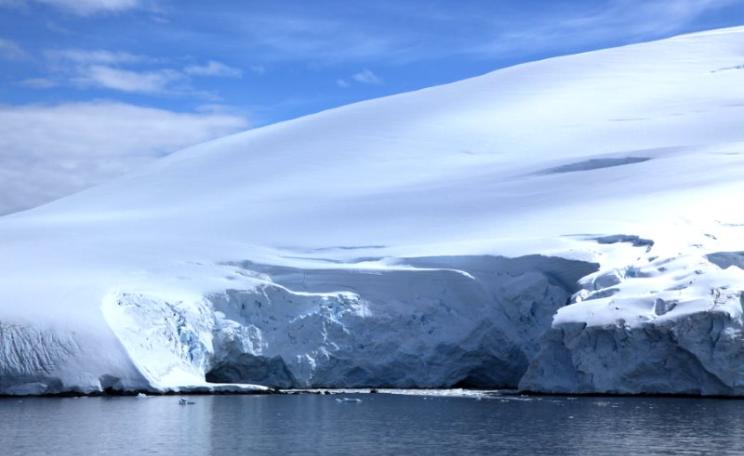
Antarctic glaciers are famously losing ice around the margins of the continent, writes Maria-José Viñas. But a new study from NASA shows that those losses are offset three times over by ice thickening in central Antarctica, causing sea levels to drop. However the net ice gain may run of steam in coming decades.
Climate change will impact the world in many ways, writes Matthew Blackett. Some of them may be good, like more rain in African drylands and coral atolls adapting to rising seas. But most of them - like coastal flooding, long term drought, earthquakes and stronger tropical storms - will be very challenging. We must increase the resilience of the most vulnerable countries without delay.
Declining tuna stocks are not the only consequence of an out-of-control tuna industry, writes Cat Dorey. A major tuna fishing method used in tropical seas is causing serious damage to coral reefs and attracting a huge 'bycatch' of sharks and other species. Now responsible producers and retailers are taking matters into their own hands - and you can help!
Chile's announcement of a 630,000 sq.km marine protected area around Easter Island is altogether welcome, writes Callum Roberts. It forms part of a trend of very large marine reserve declarations that will play a vital role in preserving endangered fish stocks and vital oceanic biodiversity.
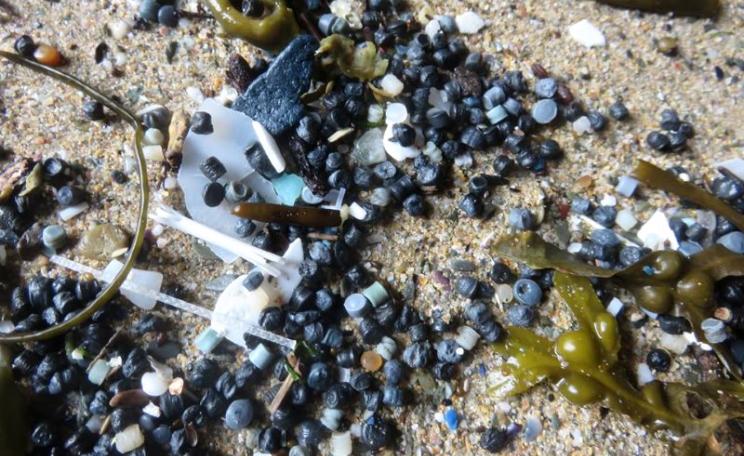
Cornish beaches are awash with millions of 'nurdles', tiny wildlife-choking plastic pellets presumed spilled from an rogue shipping container. As England's plastic bag charge comes into force, it's a sign that there's still a long way to go to rid our seas of the plastic menace.
By keeping marine herbivores in check, predators from sharks to crabs are essential to keep the oceanic 'carbon pump' working - with seaweed and plankton fixing atmospheric carbon and bearing it down to deep waters and sediments before getting munched. It's time to give ocean predators the protection they deserve, for climate's sake.
Radiation can be carried long distances by marine currents, concentrated in sediments, and carried in sea spray 16km or more inland, writes Tim Deere-Jones. So Fukushima poses a hazard to coastal populations and any who eat produce from their farms. So what are the Japanese Government and IAEA doing? Ignoring the problem, and failing to gather data.
Scientists warn that burning up the planet's remaining fossil fuel would cause all Antarctic ice to melt and lead to 58m of sea level rise over 10,000 years, writes Tim Radford. But devastating impacts would strike much sooner, with oceans rising by 3m a century for the next millennium.
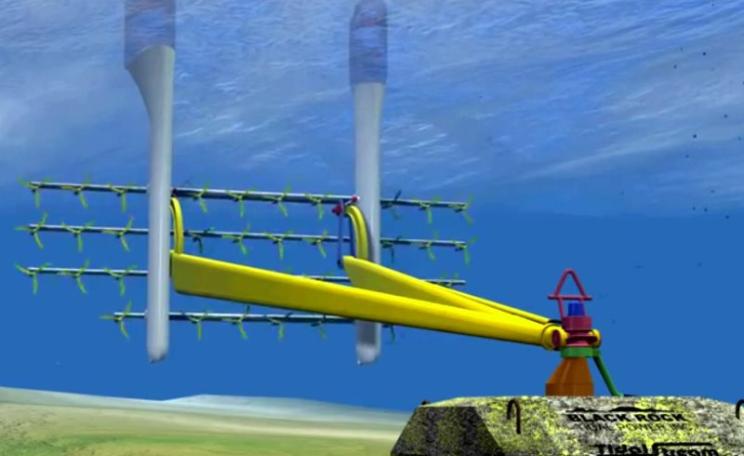
Tides in the UK's coastal waters could be generating 10GW of clean power, representing half of Europe's tidal resource, writes Ross Jennings. So far it's going unexploited, but a new generation of lightweight, low cast tidal turbines that float off the surface could soon get that electricity into our homes and businesses.
Worried about debt, defaults and deficits? Save up your concern for the real problem, writes Glen Barry. The systematic destruction Earth's natural ecosystems for short-term profit is the 'bubble' that underlies economic growth - and if allowed to continue its bursting will leave the Earth in a state of social, economic and ecological collapse.
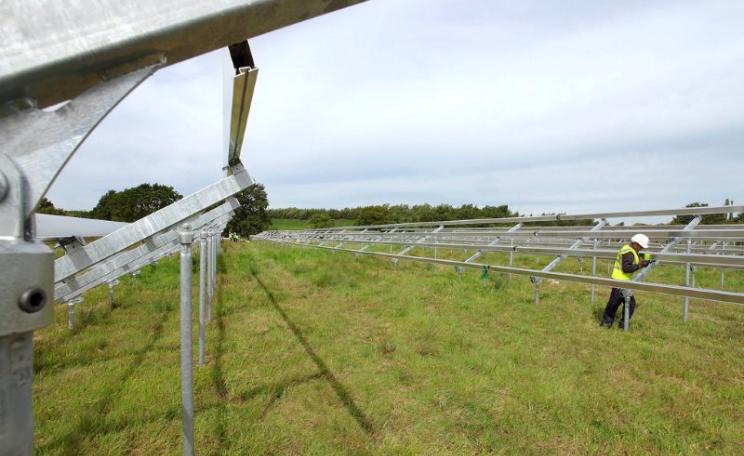
A stones throw from where Cuadrilla lost its bid to develop a fracking operation in Lancashire, a solar farm has just won planning permission with widespread local support, writes Ben Lucas. However a 194-turbine offshore wind farm near the Isle of Wight has been refused planning consent.
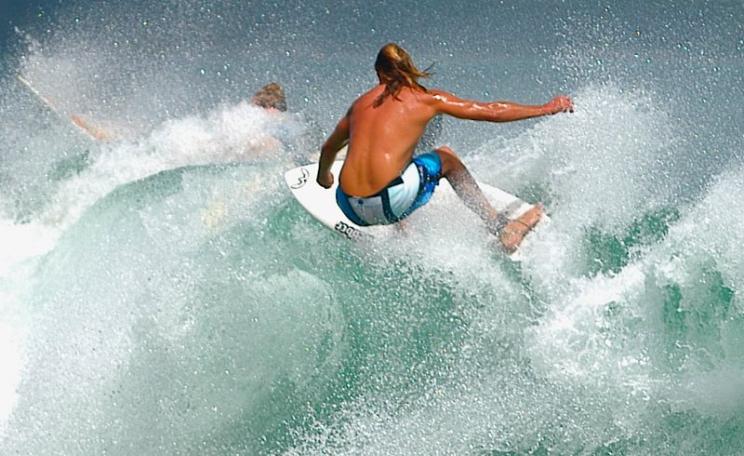
For 25 years, a group of eco-aware surfers have been campaigning for cleaner waves, writes Summer Brooks. SAS was founded in 1990 to tackle sewage discharges into UK coastal waters, and now, bigger and stronger than ever, they are turning their focus to the global problem of ocean plastic - both picking it up on our beaches, and pushing for long term, global solutions.
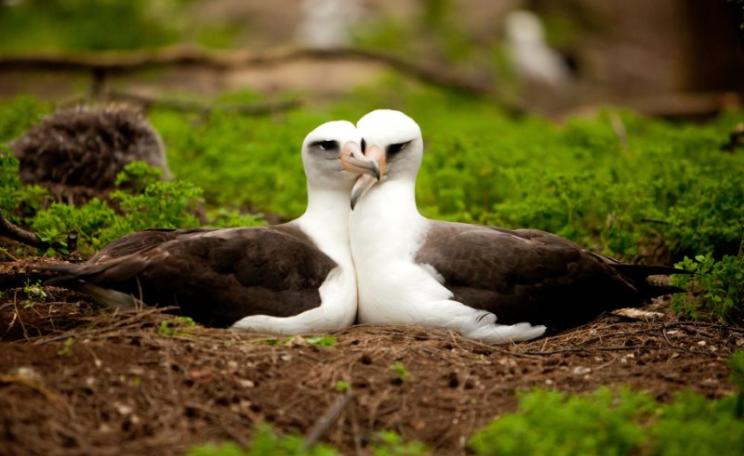
Already 60% of seabird species have plastic in their guts, often as much as 8% of their body weight. And with ocean plastic increasing exponentially, that figure will rise to 99% by 2050, threatening some birds' survival. Unless we act.
Following six shark attacks this year on the beaches of New South Wales, Australia, the press are demanding a shark cull as a 'permanent solution' to the problem, writes Jane Williamson. Trouble is, culling is indiscriminate, ineffective, disrupts ocean ecosystems, and diverts resources from more effective responses.
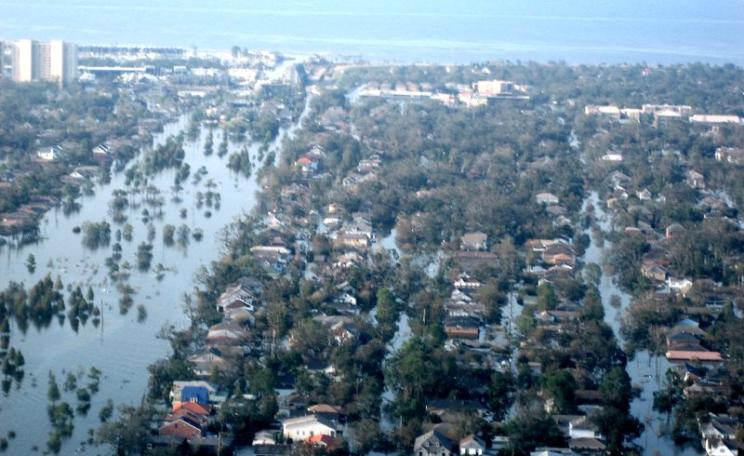
Climate change shows its true face in extreme events, writes Kerry Emanuel: the storm surge with a 12 inch head start thanks to rising sea levels, propelled by a wind that's 20 mph faster, dropping an extra inch of rain beyond the 'normal' storm. Hurricane Katrina and Typhoon Haiyan are sending us a clear message: the world must get ready for bigger and badder, fast.
The Faroe Islands' annual 'grindadráp', in which hundreds of pilot whales are slaughtered with knives and hooks, is a horrifying spectacle, writes David Lusseau. But unlike industrial whaling it poses no threat to the species. And is it really any worse than the industrial factory farming that we routinely ignore?
A detailed update of key climate indicators by hundreds of scientists reveals that 2014 saw rises in temperatures, sea levels and greenhouse gases to record levels, writes Alex Kirby.
Hundreds of pilot whales were slaughtered in Faroes waters last week alone, writes Captain Paul Watson. But in 2011 no whales were killed while Sea Shepherd vessels patrolled. The difference? Since 2014 the Royal Danish Navy has defended the whale hunt.
The climate change discourse rarely looks beyond 2100, writes Pete Dolack. Maybe that's because even at current levels of CO2, we are committed to thousands of years of warming and polar ice melt that will raise sea levels by at least six meters. However the implacable imperatives of capitalism mean there's little prospect of change for a long time to come.
This year's 'Grind' in the Faroe Islands was as bloody as ever, writes Captain Paul Watson, who witnessed the slaughter of a pod of 22 pilot whales with vicious hooks and long knives. If Denmark wants to be considered a 'civilised' nation, it must stop its aggressive support for the cruel and barbaric tradition.
The 1865 Treaty of Point Elliot is clear, writes Jan Hasselman: the Lummi Nation has the right to fish, hunt and gather in their accustomed places in perpetuity - and they can't do that if a gigantic coal terminal is built in the Salish Sea's most productive waters. First Nations' treaty rights are now central to protecting the Pacific Northwest from destruction by fossil fuels.