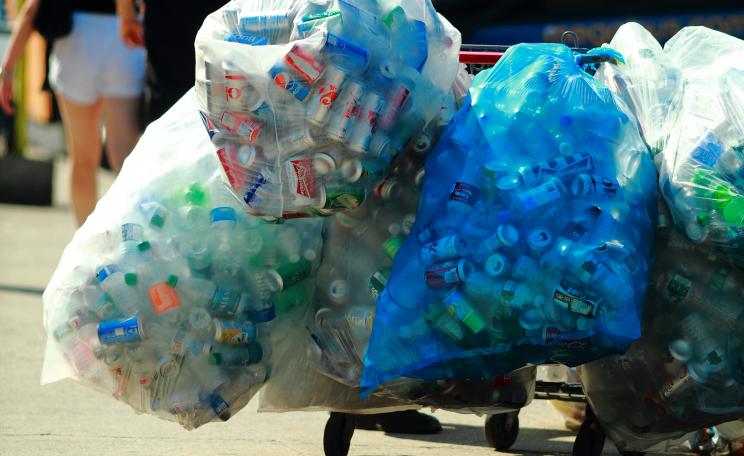
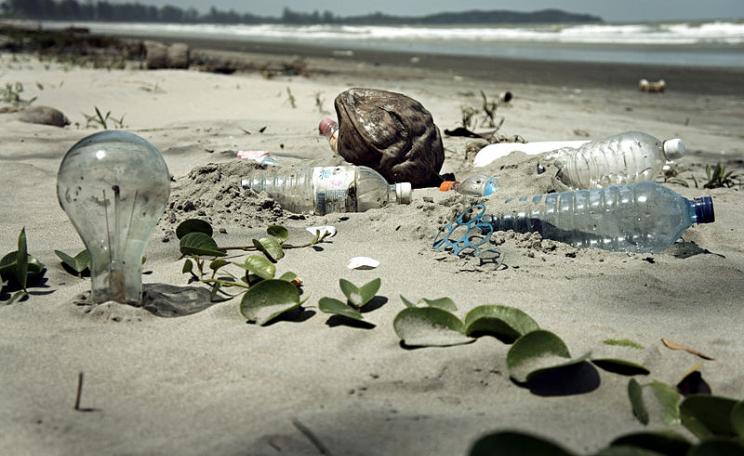
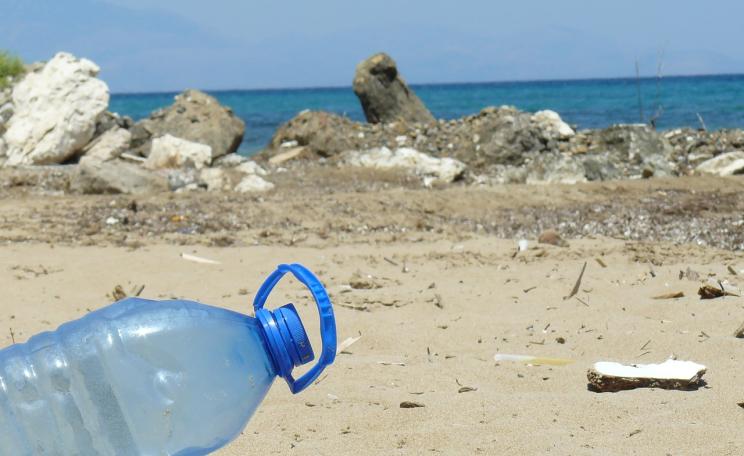
The success of Blue Planet II has transformed Britain into a country were millions of people are extremely concerned about the impact plastics are having on our marine and local environments. Scientists have now announced that they have discovered an enzyme that can break down this waste so it can be more easily recycled, writes BRENDAN MONTAGUE
The aim of the Resurgence Trust - owner and publisher of The Ecologist - is to change people's worldview so we can live in harmony with each other and with nature. Here NATALIE BENNETT, former Green party leader, explains why this aim is so vital today
Campaigners have welcomed chancellor Philip Hammond’s call for ideas on financial carrots and sticks to drastically cut single-use plastics in his spring statement. However, they stressed the need for more rapid action, reports CATHERINE EARLY
David Attenborough's Blue Planet II captured the awe and wonder of the natural world, and in doing so transfixed a nation. But it also brought new awareness of the appalling impacts of single-use plastics on marine life. Now the BBC has promised to ban such plastics before 2020. EMILY FOLK welcomes the move
The fight against climate change was delayed for decades as international law and national policies adapted to the new challenge. In the campaign to rid the world of ocean plastics - however - the laws are already in place. But we have to make sure they are enforced. OLIVER TICKELL, the veteran environmental journalist, investigates
The restoration of life and the end of extinctions. Good land management plans for every country. The end of ocean plastics. No more pesticides. Is all this too ambitious for a Christmas wish list? RUTH DAVIS of the RSPB does not think so.
An estimated 12 million tonnes of plastic flows into our oceans each year so no wonder we're facing one of the biggest litter crises our planet has ever seen. LAURA BRIGGS reports
Tesco and Carrefour among those retailers and brands failing to meet their legal responsibilities to provide consumers with information on toxic or carcinogenic substances used in products they sell
For regions with adequate space and little recycling infrastructure, disposing of bottles in landfill generates a lower carbon footprint than recycling or incineration...
Little angers environmentalists more than receiving food or products in Styrofoam packaging, and now the Californian Ocean Protection Council has called for a blanket ban on the use of the material in food containers across California.
Plastic rubbish gets tossed away in far-off places that we rarely get to see. Daisy Dumas assesses its impact on the world's largest floating landfill.
The local council in San Francisco, California, has set a precedent by becoming the first US city to vote to ban large supermarkets from handing out plastic bags, Reuters has reported.
Do you want the best for your baby, but don’t want to harm the environment? Then use reusable nappies. Contrary to popular belief, modern reusables are cheaper and more hygienic than disposables, and you won't have to spend hours cleaning them.
The US authorities have allowed Formosa Plastics and other chemicals corporations to poison the waterways of the Texas Gulf Coast for decades. When local shrimp-boat operator Diane Wilson found out what was going on she single-handedly set about forcing Formosa to clean up its act.
Many people dismiss environmentalism as a middle-class luxury that few can afford. But in Mexico City a group of impoverished street punks are pioneering radical social alternatives because their survival depends on it. Holly Wren reports.
Twice as expensive as petrol, three times the price of milk, and 10,000 times more expensive than tap water. Is it worth it, and what impact is it having on our environment?