Environmental groups were pleased at the end of 2007 when the UN announced that its under-resourced adaptation funds - established to help less-industrialised nations adapt to the effects of climate change - were to receive a cash injection.
Is the constitution inherently undemocratic, or will it make the EU more accountable to European voters? Is greater coordination at the European level essential for promoting environmental safeguards, or will it merely serve the interests of big business Marc Glendening and Richard Corbett discuss
A decade and a half after conservationists wrung from the European Parliament a commitment to end the trade, the EU remains the largest importer of parrots in the world.
What can we expect of December’s meeting of the UN Framework Convention on Climate Change (UNFCCC) in Poznan, Poland? The main question will be how to follow the Kyoto Protocol’s first ‘commitment period’, which ends in 2012.
Buy Nothing Day is an annual event to protest our consumerist culture. Consumers are encouraged across the world to stay out of malls and put their wallets back in their pockets for just one day. Started back in 1992 in Vancouver, Canada by Ted Dave, it was popularized by the Adbusters media foundation and it has spread to become an international day of action.
In the past decade, the sales pitch of the biotech companies has shifted with the climate of public opinion. Public scepticism has remained high, but politicians seem to have bought enthusiastically into the GM ‘solution’. In many ways this encapsulates where science has gone wrong – by inventing technologies without first deciding what problems need addressing. If GM crops are the answer, what exactly is the problem?
Creating cash should not be the responsibility of the private banking system, but of the common wealth. Let’s get mutual, urge Molly Scott Cato and Martin Large
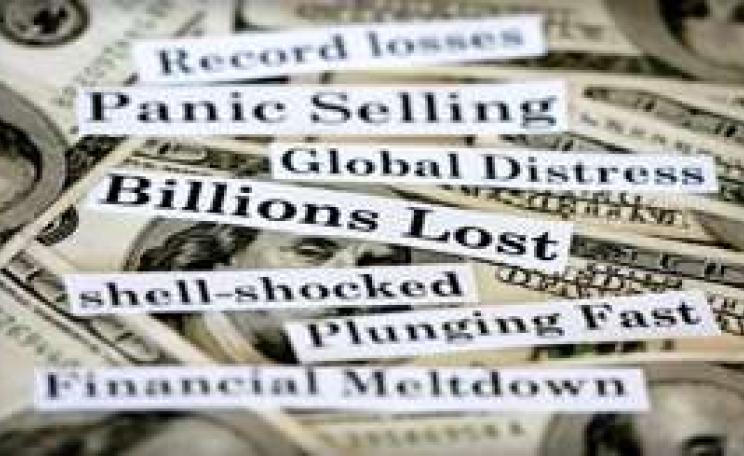
During the past weeks, the world’s media have been transfixed by the convulsions of the US and global fi nancial system. At stake are billions in bail-outs and trillions in derivatives. The viability of banks and currencies is threatened, and ultimately the savings and investments of hundreds of millions of ordinary people.
Commercial banks should be forbidden from creating ‘virtual’ money, argues James Bruges – our debt-and-interest economies can only lead to collapse or war.