With today's climate change report sounding a red alert for the UK's national security, Theresa May's response to it will mark the first major test of her leadership when she takes over as Prime Minister tomorrow, writes Ecologist New Voices writer Joe Ware. Imminent climate-related dangers demand urgent, effective, cross-departmental action - but will she step up to the mark?
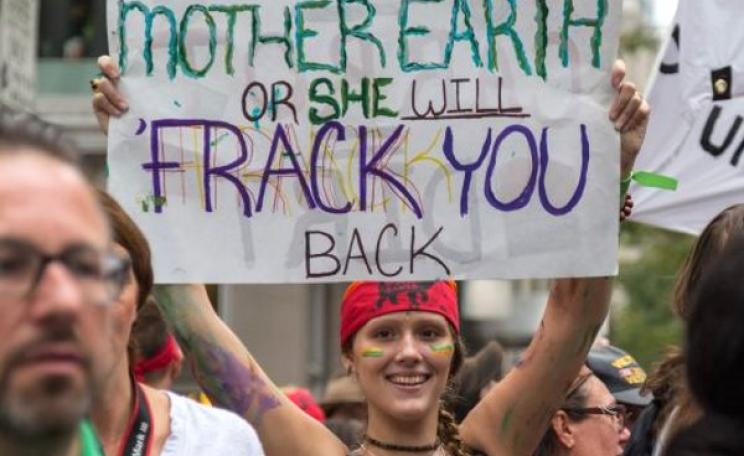
A long-awaited report by the UK Climate Change Committee has found that fracking could produce a 'substantial' emissions footprint if left unregulated, writes Victoria Seabrook, and force the government into more rapid emissions cuts in other areas of the economy to compensate.
In its decision to leave the EU, the UK is cutting itself off from one of the world's most effective systems of climate governance, write Tim Rayner & Brendan Moore. But we still have our own Climate Change Act and can lead the EU, if not as a member, at least by example - provided current and future Conservative Party leadership make their commitment clear, and implement their promises.
Cara is one of the Ecologist's New Voices contributors. An Irish-American environmental scientist and climate communicator living in Ireland, she lectures in climate change at University College Dublin and blogs and vlogs as ‘The Verdant Yank'. Here she challenges all environmental scientists to demand action on Climate Change from the politicians still turning a blind eye
The political vacuum left by the Iraq war provided the space for radical extremism to take root in the Middle East and rampage across the region, writes Dr Robert Dover. That makes Tony Blair directly responsible for the refugee crisis that is destabilising Europe today, reflected in the UK's Brexit vote. And it fatally wounded the credibility of his 'third way' social democratic politics across the EU.
Australia's nuclear industry has a shameful history of 'radioactive racism' that dates from the British bomb tests in the 1950s, writes Jim Green. The same attitudes persist today with plans to dump over half a million tonnes of high and intermediate level nuclear waste on Aboriginal land, and open new uranium mines. But now Aboriginal peoples and traditional land owners are fighting back!
The UK's exit from the EU won't deliver for the 'victims of globalisation' whose votes were decisive in the referendum result, writes Pete Dolack. All the economic scenarios advanced to date envisage more of the 'free trade' and neoliberalism that has global empowered capital against communities and the well-paid jobs that once sustained them. Plus ca change ...
Following the vote to leave the EU, the UK's energy and climate change policy faces major challenges, writes Paul Brown, with new nuclear power and a third London runway at Heathrow runway looking like the first casualties.
The economic impacts of the Brexit vote will very soon make themselves felt to British consumers, writes Chris Goodall - kicking off with higher fuel bills and pump prices. The good news is that nuclear power is now looking increasingly unaffordable. But renewables and green energy research are also likely to suffer, especially if under a right-wing Brexit government.
We have a serious responsibility to fight the more unsavoury symptoms of Brexit, writes Alex Scrivener - making the case for free movement for people, defending the regulations that protect our environment and workers' rights, resisting imperialism abroad and racism on our streets.
We know who the likely runners and riders are in the race to be the new Tory leader and prime minister - but where do the prospective candidates stand on fracking and other environmental issues? Joe Sandler Clarke finds them all decidedly un-green.
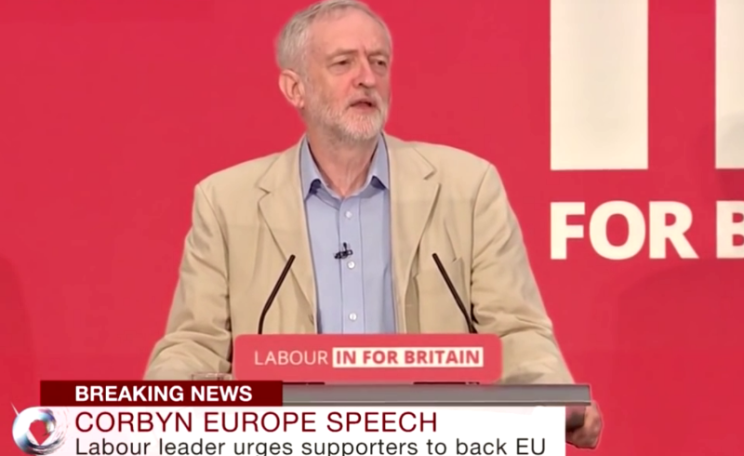
Depressed at the Breferendum result? So you might be, if you are bothered by the environment, social justice and a successful economy, writes Oliver Tickell. But it may never come to that. In fact it's just possible that the Brexit vote could deliver us a reformed 'peoples' EU' that includes the UK, under a progressive government led by Jeremy Corbyn. Here's how.
People have been talking about some kind of 'progressive alliance' ever since the 2010 General Election, writes Jonathon Porritt. If ever there was a moment where such an alliance could start coming together, and start working out a game plan to transform our political prospects between now and 2020, this has to be it.
An investigation by the League Against Cruel Sports shows that English hunts are training hounds to kill foxes in horrific secret slaughter sessions, writes Eduardo Gonç;alves. It's just one example of the cruelty and violence that's intrinsic to fox-hunting, and another reason why the ban has to be maintained.
Britain's bees are under threat from Brexit and moves to allow farmers to use banned bee-harming 'neonictinoid' pesticides, warns Dave Timms, Bees Campaigner with Friends of the Earth. With 20 species extinct since 1900 and a further 35 under threat, how much more can our bees take?
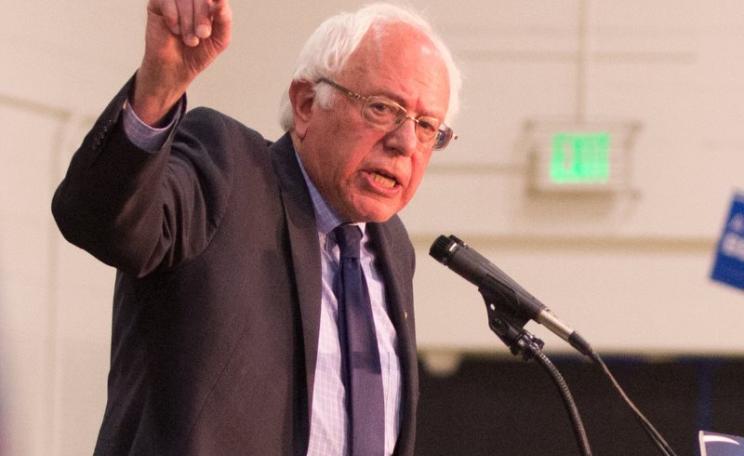
Bernie Sanders may never be the Democratic Party candidate, writes Dave Lindorff. But he can still win the US Presidential election as a Green - thanks to his huge support base and the unpopularity of both Donald Trump and Hillary Clinton. This is Bernie's chance to make his proclaimed 'political revolution' real, and take back democracy for the people.
The campaign to Remain cannot be left to the grey men of British politics, writes Alan Simpson. The Labour leadership must proclaim the case for a green Europe that belongs to its people not its corporations, inspiring voters with a positive vision of the EU as it ought to be - and that we can bring about only as fully engaged members.
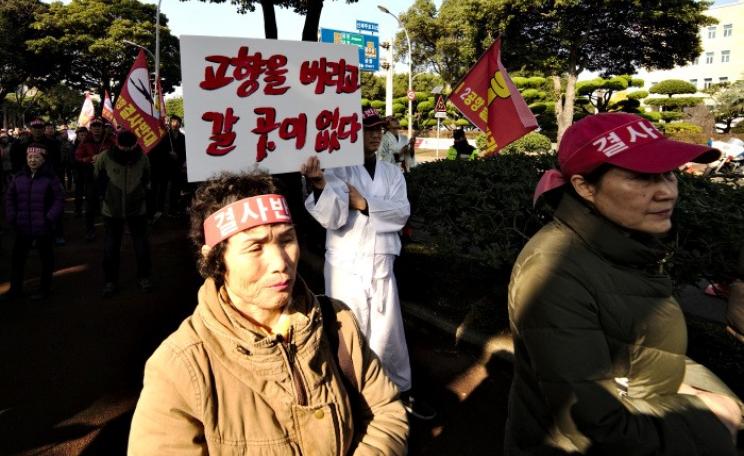
Communities on Jeju, South Korea's 'island of peace', are resisting a second airport that's threatening the island's farming, nature, culture and way of life, writes Rose Bridger. Linked mega-projects include an 'Air City' of shopping malls, hotels and offices, plus high-speed transport corridors, luxury resorts, casinos, theme parks and golf courses - all catering to wealthy outsiders.
The European Parliament has had a great week, writes Molly Scott Cato MEP - for those who oppose GMOs in food and farming. MEPs voted on five occasions to say no to GMOs, and gave their support to agroecology as the only sustainable way to feed the world.
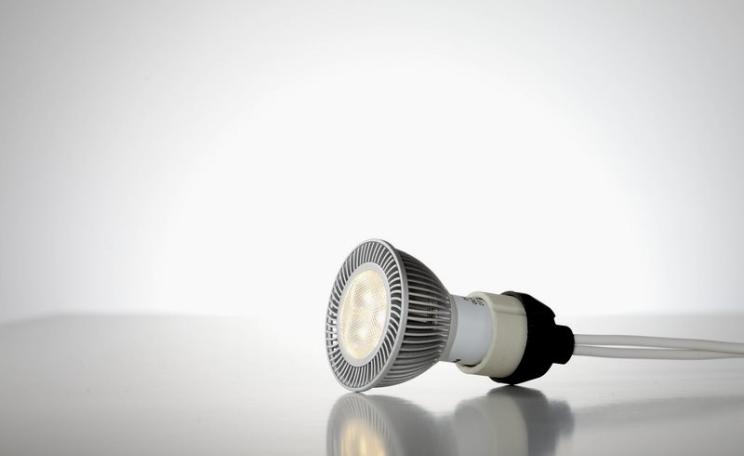
LED light bulbs are cheap and energy efficient, writes Chris Goodall. A crash programme to replace all the lights in the UK with LEDs would cut electricity bills, reduce carbon emissions and other pollution from coal and diesel generation, and reduce the risk of blackouts.
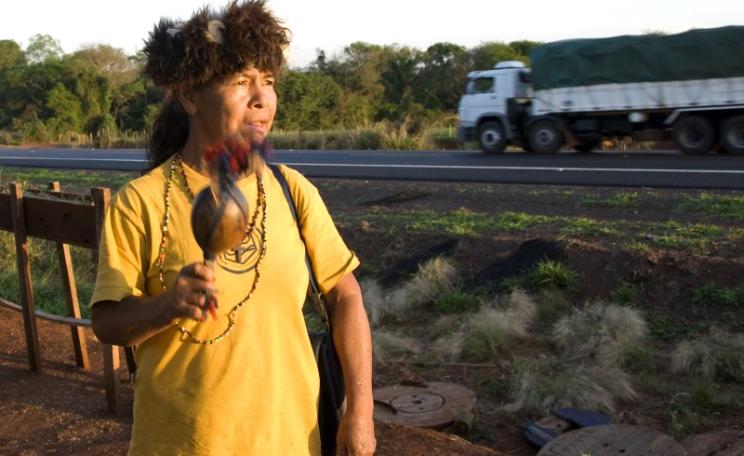
Land theft, agribusiness and violence pose an existential threat to Brazil's Guarani people, writes Lewis Evans. They maintain a powerful resolve to regain their historic lands, and even have the law on their side - but the tribe will need international support to prevail against murderous ranchers and farmers, corrupt politicians and a paralysed legal system.
Britain's soils are in a bad way, writes John Quinton, and the government is doing little to help - indeed its policies are making the problems worse. So concludes yesterday's Environment Audit Committee report on soil health. But are ministers bothered?
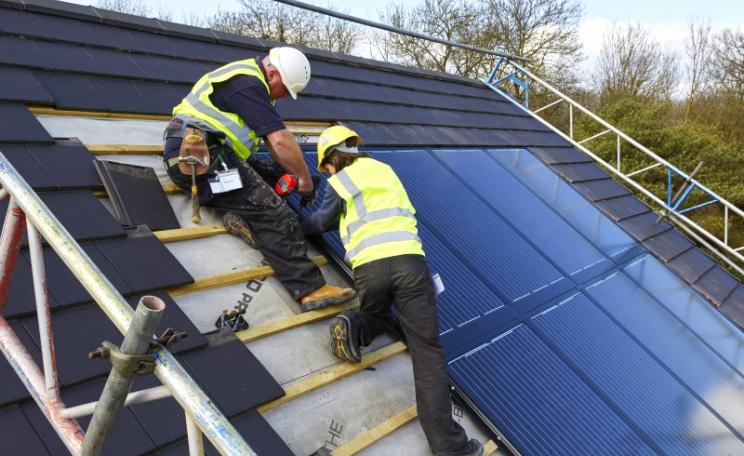
In the face of repeated attempts by the UK government to suppress the nation's solar industry in favour of fracking and nuclear, Jeremy Leggett tells the story of how the solar company he founded in 2000 has not just survived, but driven forward with technical innovation - including its new 'Sunstation' - an integrated 'snap-on' solar generation design that elegantly embeds into roofs.
The government's new 'strategy' for cycling is a feeble attempt to hide huge cuts to local transport budgets with a minute line of funds that would take over 2,000 years to bring the UK up to Dutch cycle lane standards, writes Donnachadh McCarthy. We must demand better!