Celebrities have a unique ability to engage people in environmental campaigns, writes Pat Thomas. Neil Young is a case in point: his latest album, The Monsanto Years, conveys an eloquent message of the dangers of GMOs and corporate power, and his upcoming European tour offers green campaigners a unique opportunity to engage a broader public in the fight for a green future.
A constitutional amendment that would allow 'strategic' public works including dams, roads, mines and other mega-projects to go ahead following the mere completion of an environmental impact assessment is being considered by a Committee of the Brazilian Senate, writes Helle Abelvik-Lawson.
The closing down of a community radio station in eastern Paraguay is the latest example of political repression in the country with the most unequal land distribution in Latin America, writes Toby Hill, and in which the media are dominated by a tiny elite of the super-rich. As small farmers begin to reclaim the land that is rightfully theirs, landowners and the state they control are striking back.
President Obama should overcome political constraints in Hiroshima this week to say 'sorry' for the nuclear bombs, writes Linda Pentz Gunter. Even more important, he must change his stance on nuclear weapons - abandoning the US's $1 trillion WMD modernization program and lifting the threat of world-destroying nuclear conflict.
The UK's 'Green Deal' energy efficiency scheme was a massive failure, writes Sue Roberts. But few knew just how bad until the NAO's report - which reveals that its main effect was to line the pockets of the Big Six energy companies, load the public with expensive loans, create a tangle of red tape, and engineer the collapse of the UK's nascent energy efficiency sector.
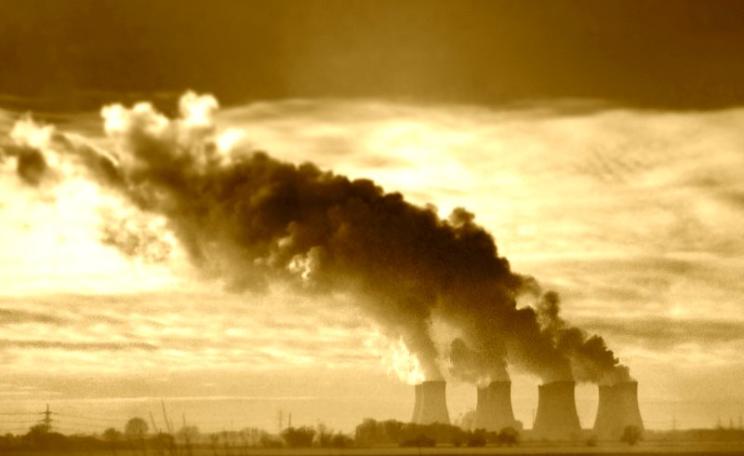
Government plans to pay coal and diesel generators to stay open the winter after next to 'keep the lights on' betray dangerously old-fashioned thinking, writes Chris Goodall. Not only would it subsidise our dirtiest electricity - it's also incredibly costly. Why not just pay people to reduce their demand when power supplies are stretched?
Where does the Green Party go now? Last week's uninspiring election results show that Jeremy Corbyn's Labour poses a serious challenge to us Greens, who can no longer succeed by being merely left wing. We must fulfil our own destiny, representing a distinct, authentic ecological strand in politics, making the case for living as if we only had one planet - as is in fact the case.
The remarkable Leuser ecosystem in Aceh, Sumatra, has faced massive destruction over recent years with rice farms, palm oil, roads and mines, writes Bill Laurance. But that's all set to end with a moratorium on forest clearance that's supported at the highest levels of government, both state and national. This is definitely news to celebrate! But we must also maintain our vigilance.
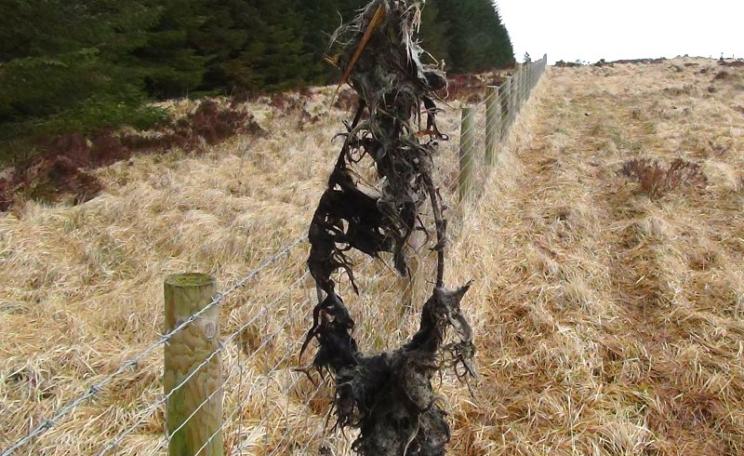
Snares are one of humankind's earliest inventions, writes Bill Oddie, once essential to our survival as hunters. But their modern use by gamekeepers seeking to protect game birds on shooting estates from predators is a cruel and barbaric practice, with most of the victims non-target species like hares, badgers and deer.
The quiet desperation of declining towns and cities across America's West is understandable, writes George Wuerthner. Of course people dream of the 'good old days' when there were wild prairies to be grazed, forests to be felled and oil wells to be sunk - and try to bring them back. But in so doing they neglect and abuse their real and enduring wealth: nature, landscape and wildlife.
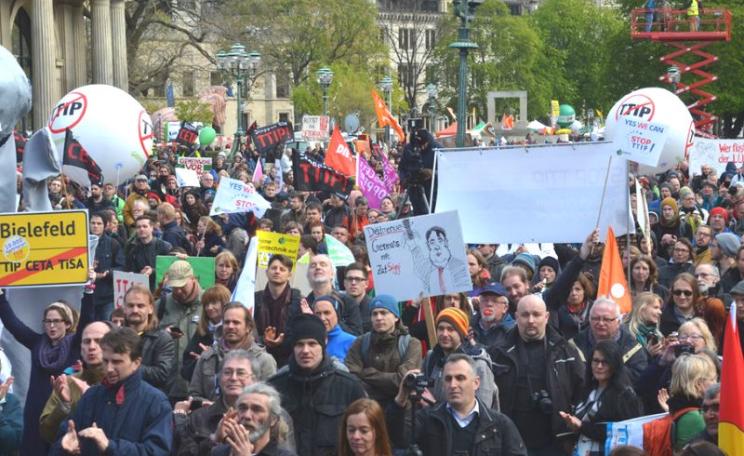
The leaked chapters of the EU-US TTIP 'free trade' deal reveal a shredding of health, environmental and other protections for consumers and citizens, writes Pete Dolack. It's a wet dream for corporate monopolists and profiteers, and the elite bureaucrats that serve them. But for civil society it represents an irreversible destruction of democracy itself.
The TTIP EU-US trade deal has finally hit the rocks with massive popular opposition on both sides of the Atlantic gaining serious political traction, write Guy Taylor & Nick Dearden. There's now a good chance that TTIP will be defeated - but first we must make sure that CETA, the equally toxic EU-Canada 'Trojan Horse' deal, bites the dust.
Tidal lagoons could generate 8% of the UK's electricity, writes Stephen Tindale, and go on doing so for 120 years to come. With the Hinkley C nuclear project looking ever more dicey, and with promises to shut down coal fired generation by 2025, a promised new tidal lagoon In Swansea Bay would come in very useful. So why hasn't the government included it in the Energy Bill?
Secret documents leaked to Greenpeace from the EU-US TTIP negotiations show that environmental protection, climate change mitigation, consumer protection, public health and sustainability are sacrificed throughout to corporate profit and commercial interests.
Lacking an official body to investigate and prosecute illegal cruelty to wildlife a unique charity, the RSPCA, took on that role almost 200 years ago, writes Lesley Docksey. But now it has ruffled high-ranking feathers by pursuing cases of illegal fox-hunting, and has been forced to leave prosecutions of such cases to the Crown Prosecution Service. But will the CPS do its job?
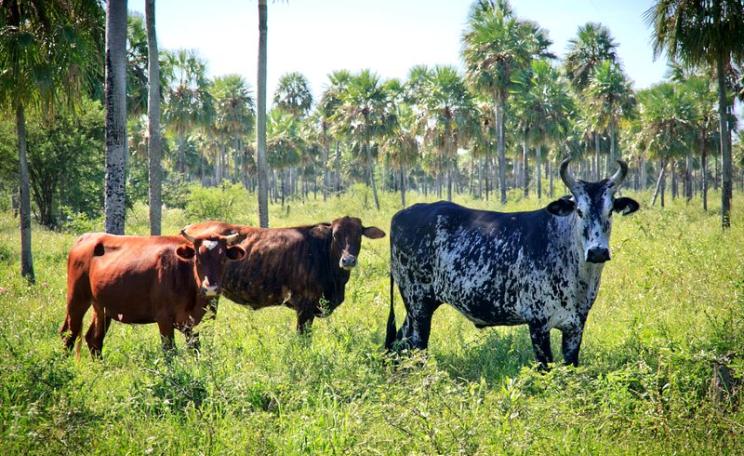
If we are ever to bring bovine TB under control in Britain's cattle herd, we must begin with the main disease reservoir, writes Tom Langton: the cattle themselves. The insistence on culling badgers has little to do with disease control, and everything to do with the short term economics of the beef and dairy industries, unwilling to sacrifice an iota of production in the interests of a real solution.
World leaders are meeting in New York today to sign the Paris Agreement on climate change, write Stephen Buranyi & Oliver Tickell. But the world just failed a big test of its commitment to the Paris targets by deadlocking on IMO proposals to limit emissions from international shipping.
What's the point of farming? To produce an abundance of wholesome food, writes Colin Tudge, while supporting a flourishing rural economy and a sustainable, biodiverse countryside. Yet the powers that be, determined to advance industrial agriculture at all costs, are achieving the precise opposite. It's time for a revolution in our food and farming culture, led by the people at large.
Remember when the UK was the 'dirty man of Europe'? What has changed since then, writes Caroline Lucas, is our membership of the EU - which has made us raise our environmental performance on everything from fisheries to air pollution, nature conservation, clean bathing waters and renewable energy. Leave, and it could all go into reverse.
New analysis of the vast body of research shows 97% of climate scientists agree that human activities are fuelling climate change, writes Tim Radford. But thanks to aggressive attempts to convince us otherwise, only 12% of people in the US are aware of this high level of agreement.
American NGO advocating for young people's future environmental rights has won a first key legal battle in its fight to force the United States to avoid dangerous climate change by cutting its greenhouse gas emissions, writes Sophie Marjanac. If upheld on appeal in higher courts, the ruling has huge implications for us all.
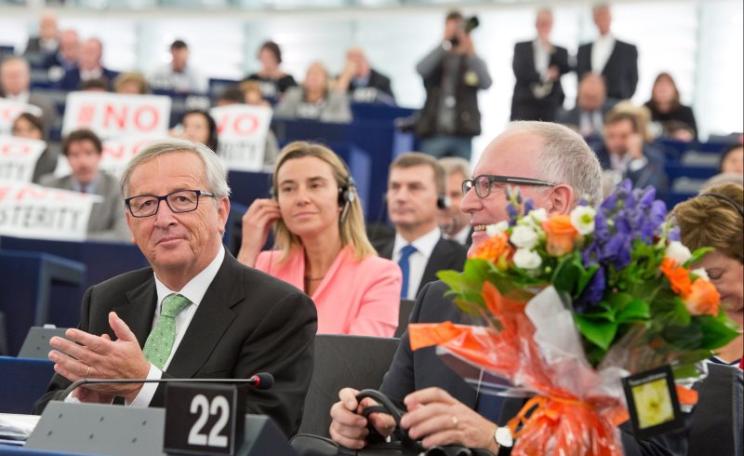
The European Parliament just voted to re-authorise glyphosate, writes Peter Melchett - but with significant restrictions on its use. So what does the vote mean for the world's biggest selling herbicide? And how come the UK's National Farmers' Union welcomed the decision as an unqualified victory?
Environmentalists are near unanimous in believing the UK should remain in the EU, writes Harry Blain. Yet that puts us in the same camp as many of our fiercest enemies - neoliberal governments and corporate lobbyists for fossil fuels, cars and other polluting industries. Meanwhile the EU itself is increasingly undermining its own environmental protections as it pursues 'free trade' agreements around the world. Time for a rethink? You bet!
Disregarding revelations of systemic political corruption in Brazil's hydropower sector, President Dilma Rousseff is ploughing ahead with a cascade of giant dams on the mighty Tapajos river. Among the companies touting to win huge construction contracts are France's EDF and Engie, and Germany's Voith and Siemens - in a consortium led by Brazil's Electrobras, which stands accused of high-level corruption over four other dam projects.