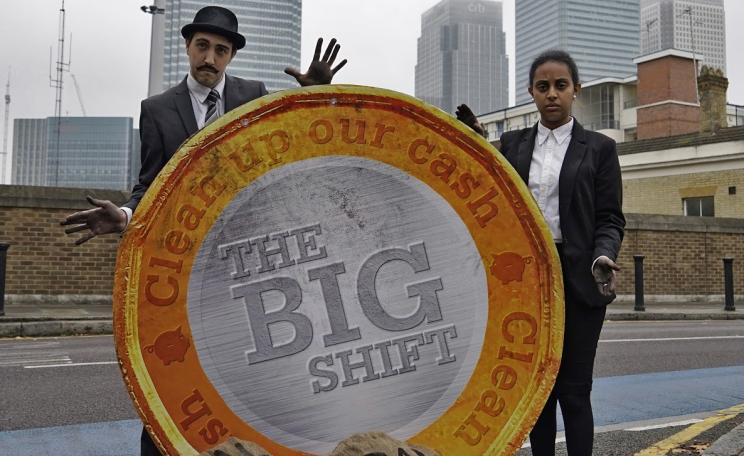
New polling out today shows that the public are fed up with banks that profit from polluting the environment. It’s time they heed the warning from their customers, reports JOE WARE.
A major new study reveals that climate change may be a global medical emergency far bigger than we previously thought. But the authors also see signs that world may be starting to wake up to the danger, reports JOE WARE
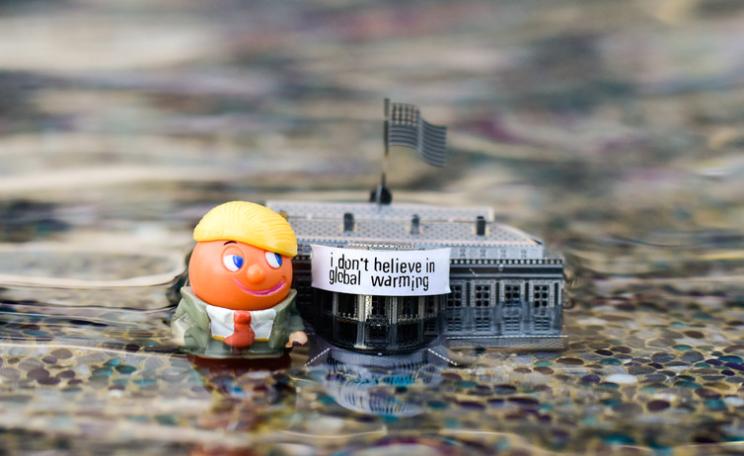
Donald Trump has walked away from the Paris Agreement and environmentalists are having to deal with a climate denier occupying the White House. The best way to reach out to Trump supporters may be to warn against local pollution rather than talk about icebergs or atmospheric science, argues energy politics expert TAE HOON KIM
Forum for the Future, an international sustainability non-profit, has published a report in which former energy bosses, ministers and civil servants advise the Big Six energy companies to back renewables, reports BRENDAN MONTAGUE
How do you solve the problem of ‘retired' mine pits aka huge abandoned holes in the ground? Turning them into lakes is a popular solution but maybe not the best one says ANICA NIEPRASCK who should know since she grew up in the Lausitz region of Germany in a community surrounded by these massive, dangerous and polluting land holes
With growing evidence of harm to physical and mental health caused by continuous pulsed em radiation from 'smart' electricity meters, Lynne Wycherley asks: have we underestimated risks to heart function and the nervous system? And of interference with embedded medical devices, such as cardiac pacemakers? It's time to switch to over-wire or fibre communications to bring the 'smart green grid' of the future to electrosmog-free reality.
London-listed copper giant Antofagasta has been entangled in scandals in Chile involving water depletion, dangers to local communities, corruption of national politics and environmental contamination, write Ali Maeve & Liam Barrington-Bush. Yet the London Stock Exchange remains silent. Following the company's AGM last week, a new London Mining Network report puts their actions and operations into the spotlight.
With the UN Ocean Conference beginning in New York next week, Elizabeth A Kirk asks: can we devise a legal system that promotes the ecological resilience of the oceans? To do so will mean placing ecosystems at the heart of decision making, over and above countries' selfish 'national interests'. It will be tough, but if we fail it's hard to see how the gamut of problems - from ocean acidification to plastic pollution and overfishing - can ever be solved.
Ecuador is the latest country to tear up 'free trade' agreements that have so far cost the country $21 billion in damages awarded to foreign companies by 'corporate courts', and yielded next to nothing in return, writes Nick Dearden. So the outgoing President Correa did the only sensible thing: in one of his final executive acts this month, he scrapped 16 toxic trade and investment treaties.
It's barely mentioned in the election campaign or reported in the media. But a powerful faction of Tory ministers, ex-ministers and backbench MPs are bent on using Brexit to ignite a massive bonfire of 'spirit-crushing' laws on wildlife protection, air and water pollution, pesticides, renewable energy and public health, writes Brendan Montague. At risk are not just EU directives and regulations but even the UK's own Climate Change Act. May's Brexit may not just be hard, but very, very dirty.
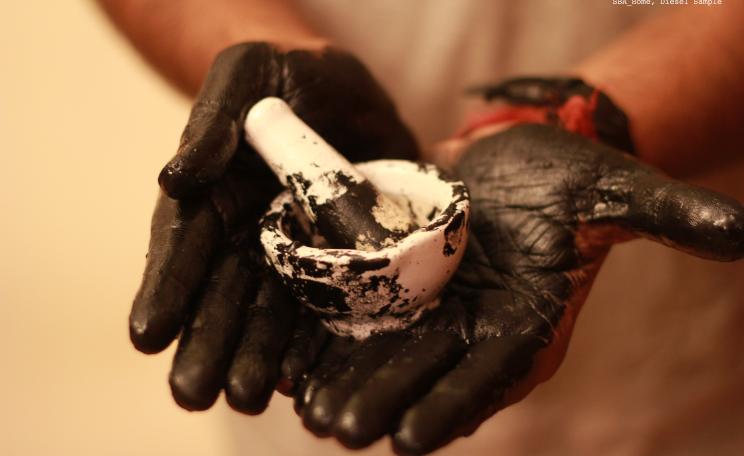
A new study explains for the first time how nanoparticles like those in diesel exhaust fumes cause heart disease by lodging in inflamed blood vessels, writes Oliver Tickell. The study, published as the UK government is ordered before the High Court to justify its refusal to publish plans to tackle illegal air pollution which afflicts 38 million people, also raises wider fears about 'engineered nanoparticles' in the environment.
A new study in Pennsylvania, USA shows that fracking is strongly related to increased mortality in young babies. The effect is most pronounced in counties with many drinking water wells indicating that contamination by 'produced water' from fracking is a likely cause. Radioactive pollution with uranium, thorium and radium is a 'plausible explanation' for the excess deaths.
Activists in Gloucestershire are battling to block the construction of a massive incinerator that they see as a blight on the landscape, costly, polluting, wasteful and undermining recycling, writes Dan Hinge. Now the fight, backed by superstar actor Jeremy Irons, just entered a new phase after a tribunal forced the County Council to reveal essential details of the contract it had signed.
Pollution caused by burning fossil fuels are already causing the premature deaths of 200,000 people a year - in the US alone, writes Pete Dolack. Add up the figures worldwide and it comes to many millions. And that's before we even count the catastrophic long term impacts of global warming. The US response: to loosen anti-pollution regulation and encourage increased oil, coal and gas production.
MEPs vote today on proposals to cut air pollution by setting up an independent EU monitoring body to ensure that a scandal like Dieselgate never happens again, writes Keith Taylor. However fears are growing that Brexit promises the UK a bonfire of environmental laws including those on air pollution. We need a strong, new Clean Air Act now!
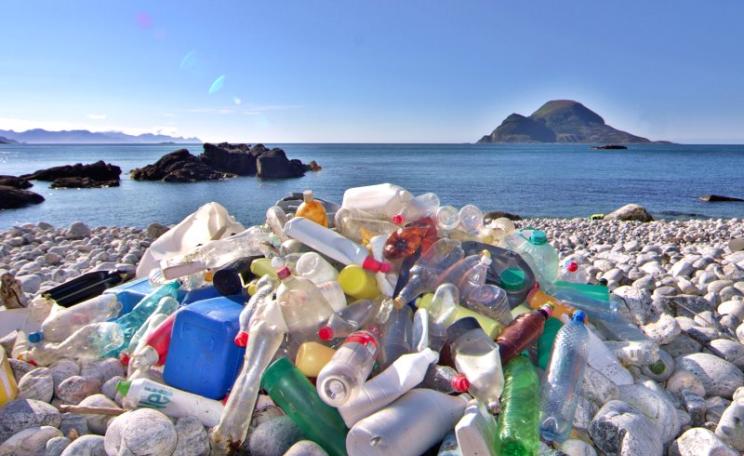
Britain's trade in waste plastic to the Far East is booming. But it's not good news. The exported plastic is meant to be recycled under UK conditions and standards, but often is not, undermining bona fide UK recycling firms who face falling prices, reduced turnover, collapsing profits, and all too often, closure.
The sonic backdrop to our lives is increasingly one of unwanted technospheric noise, writes Paul Mobbs. And as it eclipses the sounds of nature, it's taking its toll on our health, wellbeing and quality of life. So as well as campaigning for more trees, and quieter cars, trucks and aircraft, what's to be done? Let us seek out calm moments of quiet tranquillity - and listen to the birds.
The government's 'misclassification' of an eight-lane M25 road bridge over the river Thames East of London as a 'rural road' meant they did not have to report the illegal levels of pollution found there, writes Keith Taylor - getting off the UK off the hook for a 17th breach of EU air quality standards. What an unfortunate error!
The UK government hates to be held accountable in court when it breaks environmental laws like those on air quality. So it has created new rules - coming into force today - that expose environmental litigants to unlimited financial liabilities. Now three leading NGOs have done to the High Court to argue that the rules themselves are in breach the UK's international obligations.
The coal power station at Aberthaw is not just polluting much of South Wales with its filthy emissions. It could also be seriously damaging the health of children in Colombia with coal dust from BHP Billiton's massive Cerrejón coal mine. In this open letter, Luz Ángela Uriana Epiayu implores RWE npower to shut down its stinking, obsolete and illegal power station.
It's not just that the government does not seem to care about the millions of Britons that have died prematurely from traffic pollution, writes Donnachadh McCarthy. It's that every policy intervention they have made is making the problem worse! Join us this Saturday to demand a sane transport policy that will make our roads safe for people, and our air fit to breathe.
MEPs have signalled that any Brexit deal that allows Britain to scrap the environmental laws it has signed up to as an EU member faces veto, writes Charlotte Burns. They are not prepared to countenance a bad neighbour 'dirty Britain' just off the EU's shores, nor to see the EU's environmental progress undermined by unfair competition.