A Greenpeace investigation has exposed the massive efforts of global food and drink giant Coca Cola to defeat popular proposals to require deposits on single-use plastic bottles, writes Maeve McClenaghan. In fact, deposit schemes are working fine in many countries in which the company operates - it's a simple case of corporate profit before environment, oceans and wildlife.
Days into the 2017 pollution limits on the Brixton Road in Lambeth, South London, has already breached EU pollution limits for NO2 for the entire year. Meanwhile UK sales of diesel cars - one of the main causes of NO2 pollution - reached record levels in 2016, reflecting the government's failure to tackle the problem in spite of numerous court orders.
Fracking has no social licence in the UK, will contribute little to the economy, will have a huge adverse impact on other sectors, will be a disaster to climate and the environment, and won't even improve energy security, write Peter Strachan and Alex Russell. Do we really want to see 16,000 or more shale gas wells drilled in the British countryside? Let's FraXit now!
Magnox has applied to dissolve spent nuclear fuel canisters and release the liquid into the sea near Bradwell nuclear power station in Essex, writes Chris Busby. This will wash radioactivity onto mudflats in a populated area already suffering from excess cancers, however the publicly available documents ignore this key fact. We must make sure this dangerous application is refused.
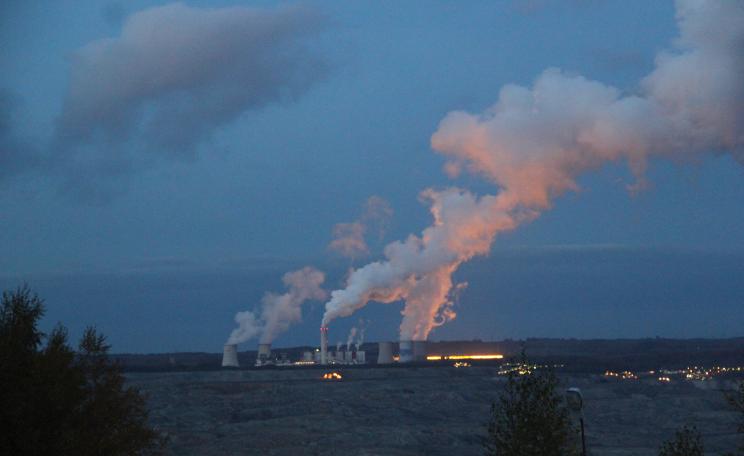
The Turow open-pit lignite mine is drying up water sources on both sides of the Polish-Czech border. In light of plans to expand mining at Turow, Czechs are now rebelling against putting up with damages from a foreign mine they get no benefits from CLAUDIA CIOBANU reports
The jobs and quick money that fracking can generate may seem initially attractive, indigenous Canadian activist Caleb Behn told Jen Stout on his recent visit to Scotland. But after decades of oil and gas production, the ineradicable legacy is of fractured landscapes and long-term pollution. 'My land is bisected, divided, by pipelines, roads, well sites, pads, all that. It's really hard on my heart.'
The UK Government has been ordered by a High Court judge to draw up an improved plan by July next year which must bring air pollution within legal limits.
Efforts to clean up the Jukskei River are to be applauded but fall far short of what's really needed to return it to the former glory so many Johannesburg residents still remember writes LELYZAVETA IVANOVA
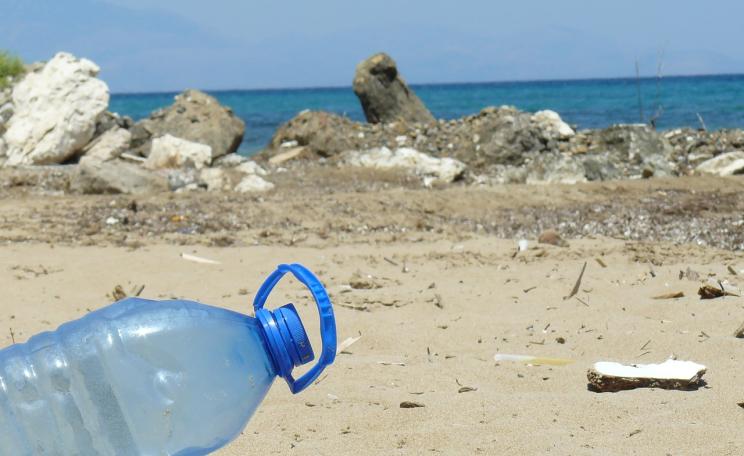
An estimated 12 million tonnes of plastic flows into our oceans each year so no wonder we're facing one of the biggest litter crises our planet has ever seen. LAURA BRIGGS reports
Should it be Heathrow or Gatwick? The answer, writes Keith Taylor, is neither. For climate and pollution reasons alone the UK should be scaling back on aviation, and in any case projections of future demand have been monstrously exaggerated. Step 1: a 'frequent flyer' tax on the 15% of people who take 70% of flights.
The UK government's insistence of pursuing fracking is based on a flawed and utterly misinformed vision of our future, write Alex Russell and Peter Strachan. Rather than delivering the prosperity they promise, large scale fracking would cause massive pollution of air and water, undermine vital export industries, and leave us with an irretrievably damaged economy and natural environment.
London Mayor Sadiq Khan promised electors that he would be the 'Greenest Mayor ever'. In spite of his apparent support for a new Thames road crossing in East London and an expanded London City Airport, he still has huge opportunities to make good his pledge. And Green Assembly Members will be working hard to make sure he does.
The clean-up after the February 2014 explosion at the world's only deep underground repository for nuclear waste in New Mexico, USA, is massively over budget, writes Jim Green - and full operations won't resume until at least 2021. The fundamental cause of the problems: high level radioactive waste, poor regulation, rigid deadlines and corporate profit make a dangerous mix.
Last night's BBC Panorama programme did a good job at lifting the lid on Britain's ongoing nuclear disaster that is Sellafield, writes Ian Fairlie. But it failed to expose the full scandal of the UK's 'reprocessing' of spent fuel into 140 tonnes of plutonium, enough to build 20,000 nuclear bombs - while leaving £100s of billions of maintenance and cleanup costs to future generations.
The shocking death of Zane Gbangbola, killed by toxic gas from a 'forgotten' landfill under his home, exposes the UK's dangerous legacy of contaminated land, writes Paul Mobbs. Without action, these polluted sites will damage health and even kill for centuries to come. But governments, local authorities, landowners and developers are united in a shameful policy of silence and denial.
It's time for UK citizens to #takebackREALcontrol by challenging the anti-democratic powers that control our country, our economy and our lives, retiring Green Party Leader Natalie Bennett told her party conference this weekend in this barnstorming speech. And that's a challenge only the Greens are prepared to take on.
Ecosystems don't collapse a little at a time, writes JAMES DYKE, but all of a sudden. So how can we see the danger signs and act in time to save them? A new study of eutrophic lakes shows that the answer lies, not in easily-measured nutrient levels, but from a more subtle understanding of the lakes' shifting ecology and types of species: keystones, weeds and canaries.
New Delhi: Coca-Cola's second largest bottling plant in India has shut production due to pollution violations, the India Resource Center has confirmed after a visit to the plant yesterday.
This autumn the Monsanto Tribunal will assemble experts from around the world to set out the evidence against the global mega-corporation, which will stand accused of monstrous 'crimes' against people and the environment. The Tribunal's verdict will not be legally binding - this time. But on a future occasion, it may be.
Internal Glasgow University emails show that it terminated geophysics professor David Smythe's email account and access to scientific papers because his concerns about the impacts of fracking were upsetting its 'industrial research partners', writes Kyla Mandel - not as part of a 'routine review' as previously stated.
The Chilcot report reveals that the UK has disclaimed any duty to decontaminate the toxic, radioactive ash left behind by its DU munitions, or even monitor the impacts on human health, writes Doug Weir. But Iraq and other countries are working towards a UN Resolution this October that would hold contaminating governments like the UK and the US legally accountable for DU pollution.
Australia's nuclear industry has a shameful history of 'radioactive racism' that dates from the British bomb tests in the 1950s, writes Jim Green. The same attitudes persist today with plans to dump over half a million tonnes of high and intermediate level nuclear waste on Aboriginal land, and open new uranium mines. But now Aboriginal peoples and traditional land owners are fighting back!
Almost all UK laws that regulate fracking's impact on the environment emanate from EU directives and regulations, writes Zachary Davies Boren. Once out of the EU, the UK would be free to amend them, scrap them or simply ignore them. And given the UK's record of support for fracking and lobbying in Brussels for deregulation, that may be exactly what the Brexiteers have planned.
Plastic is ubiquitous around the world's oceans, writes Lesley Henderson, but although it's visible from space, it can be surprisingly elusive in the water - as she heard from Jo Ruxton, producer of the investigative documentary 'A Plastic Ocean'. Solutions to this growing hazard have also proved elusive to date, hence the film's strong focus on action: educational, cultural and legal.