Sweden has enacted 'the most ambitious climate law in the world' and is praised for its environmental initiatives. David Crouch, a former FT journalist, has written a new book, Bumblebee Nation: The Hidden Story of the New Swedish Model. Here, he discusses whether Sweden's reputation is deserved
The UK’s voracious appetite for wood-fueled energy is sounding alarm bells among environmental advocates, health groups, and those living near clear-cut forests. SASHA STASHWICK argues that biomass is worse for our environment than burning coal.
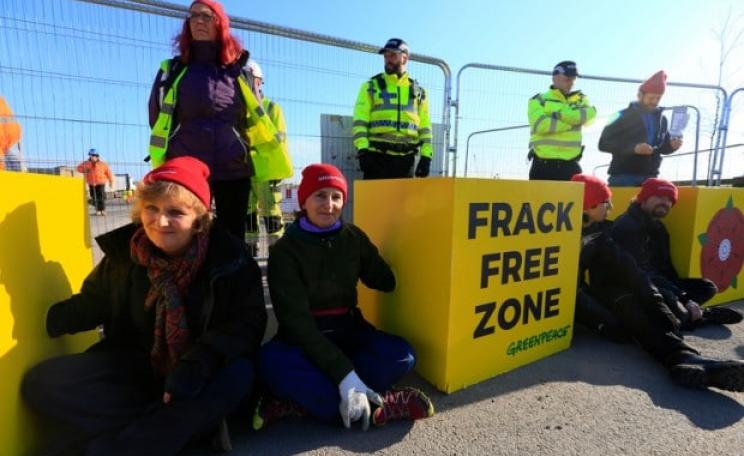
The UK government’s decision this week to allow fracking undermines its commitments to tackle climate change and reduce fossil fuel use. It came just days before the government’s own data showed renewable electricity hit a record high last year. JOSEPH DUTTON reports
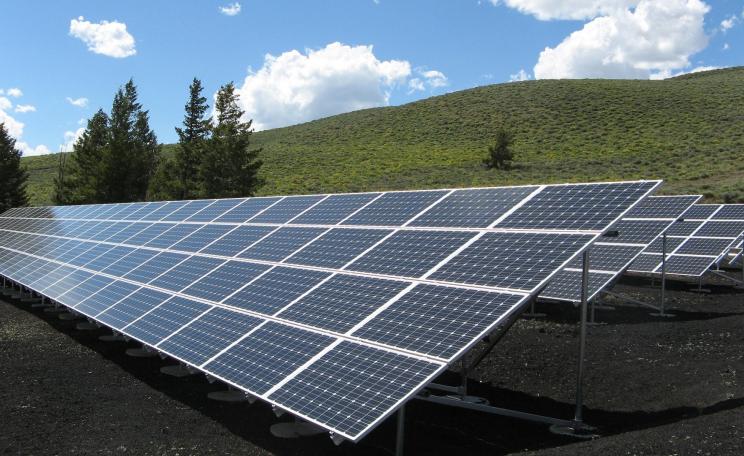
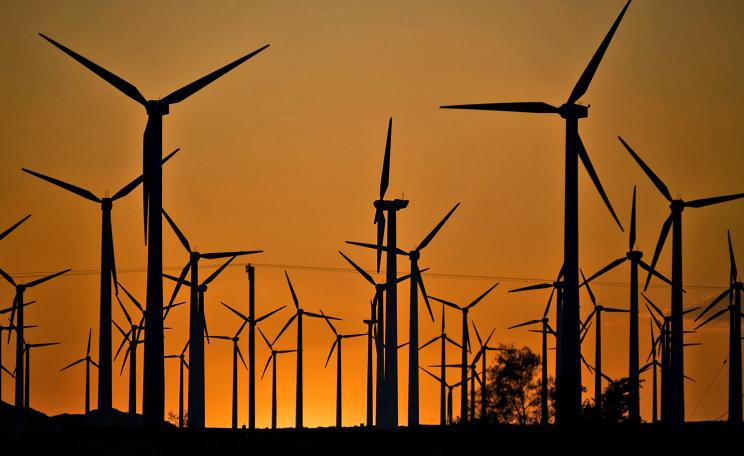
New research shows that solar farms can significantly improve local biodiversity, with benefits to wildlife and potentially even surrounding crops. NextEnergy Capital is supporting innovative solar developments that enhance biodiversity in the local area and engage the community, writes ROSS GRIER
Climate change is doom and gloom. But the Balearic Islands of Mallorca, Ibiza, Menorca and Formentera are demonstrating how much can be done. ROSALINDA MUCH investigates
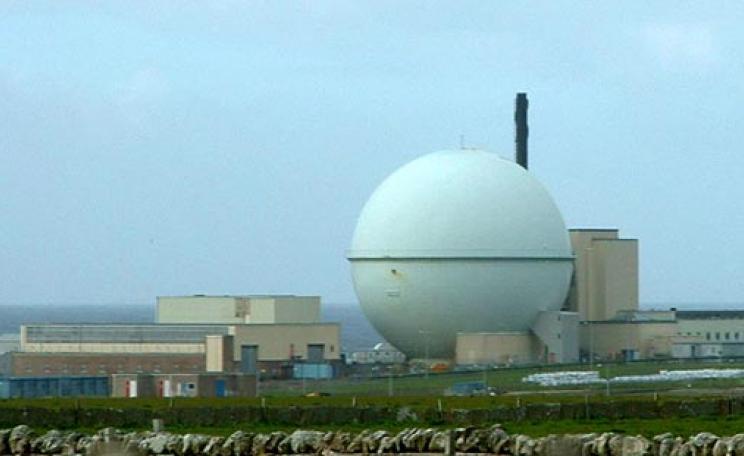
Nuclear power is now recognised as not economically viable. This confirms that renewable energy really does deserve its place in the sun, argues Bruce Davis, the managing director of Abundance Investment
The REN21 Renewables 2018 Global Status Report was published this week. Britain leads the world only in the amount it has cut investment in solar and wind energy. And state subsidies to oil and gas continue to distort the market slow progress to clean energy. OLIVER TICKELL reports
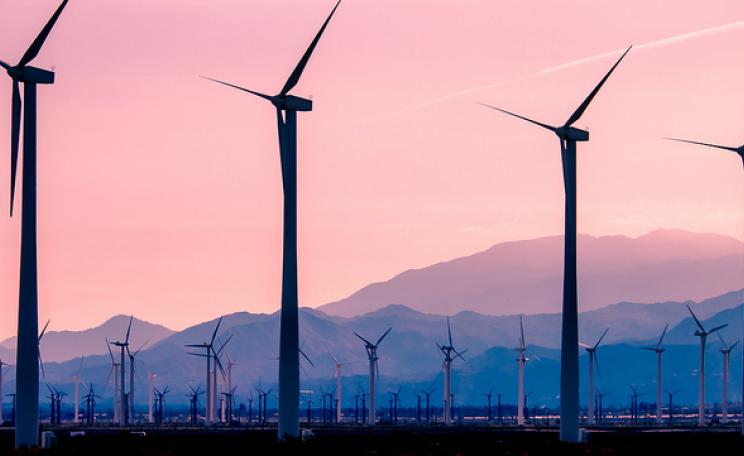
Public support for renewables in the UK has hit record high levels while fracking remains unpopular. The news comes in the same week that the country had its longest coal-free period of power generation in modern history, reports JOSEPH DUTTON
Proponents argue that geoengineering may be the only way of preventing climatic harms in the absence of substantial emissions reductions. But the consequences could be global, fatal, unintended and uncontrollable. Dr SAM ADELMAN investigates
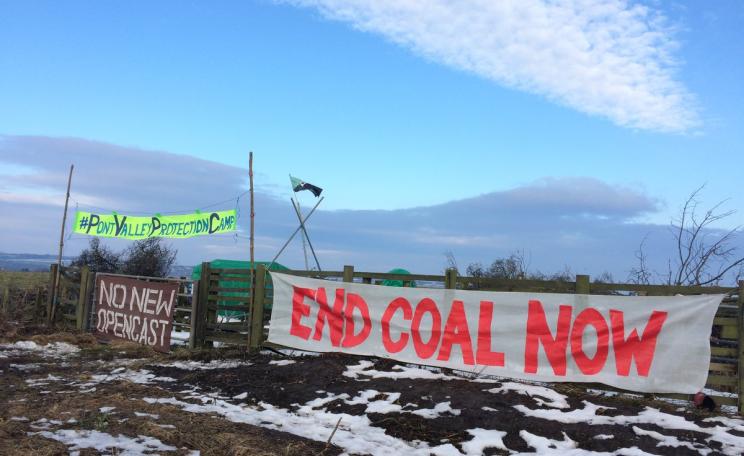
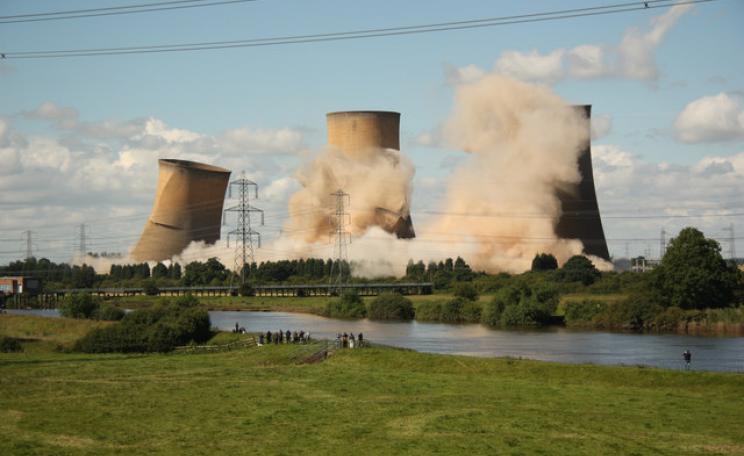
Theresa May and her Conservative government has promised to phase out the burning of coal in the UK by 2025. This should be a cause of celebration for climate change campaigners. But the plans have three dangerous loopholes, which means activists must remain vigilant, argues ALMUTH ERNSTING
A combination of community resistance, phase out commitments by governments, cities and businesses, and rapid cost reductions in renewable energy has resulted in a huge slump in construction of new coal plants. CATHERINE EARLY reports
Renewable energy at home - such as solar panels on the roof - can help save energy costs but also reduce a little our impact on the environment in terms of climate change. With such a win-win solution, why are we not all making the switch, asks EMILY FOLK
Shareholders in the six companies responsible for distributing electricity to homes and businesses across Britain are enjoying vast profits, according to a new Energy and Climate Intelligence Unit report. But this is driving up household bills. TOM PASHBY asks, is there a better alternative?
Theresa May's party made a commitment to delivering the lowest cost power in Europe. The Conservatives also promised utter impartiality in deciding between power generation technologies. So how can it now justify a pro-nuclear energy policy that could cost each household £12,600? OLIVER TICKELL investigates