The cyclists of the Tour de France may not set off until next week but in Kenya a group of young people have taken to their bikes to raise awareness about the power of sustainable energy ahead of the country's general election on August 8.
JOE WARE reports
In an open letter to the UK's political party leaders, Scientists for Global Responsibility urge those politicians to take the global threat of climate change seriously and to exploit science and technology to create jobs, tackle fuel poverty, and reduce local air pollution
Most British politicians - waking up after a General Election which sent a strong message that the UK electorate don't want railroading by its leaders - sail along blissfully innocent of nuclear's impending denouement, not only in the rest of the world but in the UK too, writes IAN FAIRLIE
So the Trumpapocalypse has happened. He has finally withdrawn the US from the Paris climate agreement. Understandably there is righteous anger around the Globe over such a reckless act of climate vandalism, which imperils the natural world and the lives and livelihoods of millions of people. But here's the good news, it may prove to be just the kick up the jacksie that we needed, writes JOE WARE
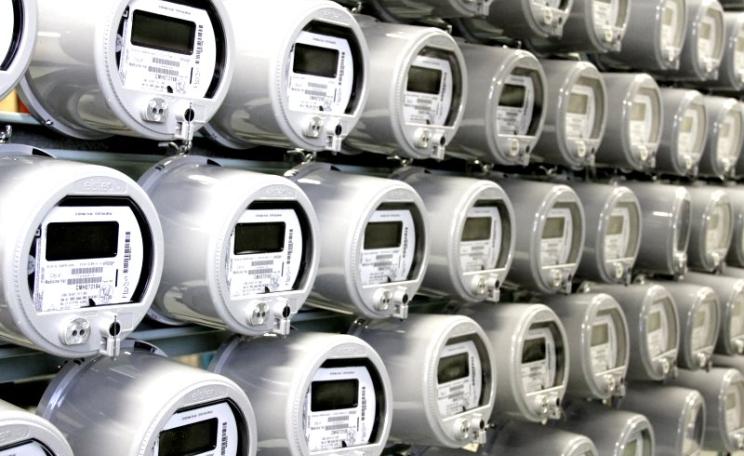
With growing evidence of harm to physical and mental health caused by continuous pulsed em radiation from 'smart' electricity meters, Lynne Wycherley asks: have we underestimated risks to heart function and the nervous system? And of interference with embedded medical devices, such as cardiac pacemakers? It's time to switch to over-wire or fibre communications to bring the 'smart green grid' of the future to electrosmog-free reality.
President Donald Trump stunned the world yesterday (June 1, 2017) by announcing his intention to withdraw the United States from the Paris climate accord - a landmark global agreement to lower greenhouse gas emissions and minimize the harm from climate change. The Conversation has assembled a panel of American academics and scientists to analyse what this dramatic move means for the planet, U.S. businesses and the world's poor...
President Trump's withdrawal of the US from the Paris climate accord - a decision designed to satisfy his campaign pledges - will go down in history as significantly anachronistic and self-harming, writes FREDERIK DAHLMANN
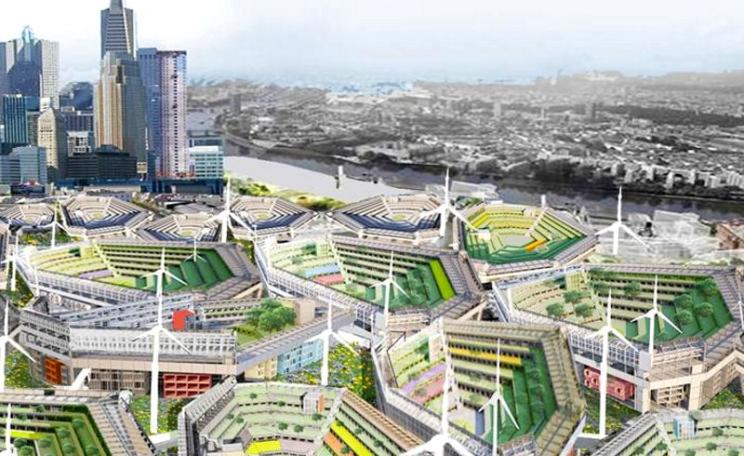
By shifting from globalisation to localisation, and creating smaller, self-sufficient communities within sustainable developments, cities could regain their equilibrium, writes Paul Jones. From where we stand today, the Organicity may sound like a Utopian dream. But if we're to avoid an urban apocalypse, we're going to need strong alternative visions, to change the way we imagine and plan for the cities of the future. Too good to be true? Or the way to human survival?
When Prime Minister Theresa May went to Brussels to hand in her 'Article 50' Brexit notice, she was also pursuing a separate, covert objective, writes Zachary Davies Boren. Leaked papers show that the UK was lobbying to gut new EU rules and targets on renewable energy and energy efficiency - even though they will only come into force after Brexit.
UK politicians (aside from the Green Party) may not have the environment high on the agenda but the British public want to remain part of the Paris Agreement and care deeply about climate change according to a new poll released today. JOE WARE reports
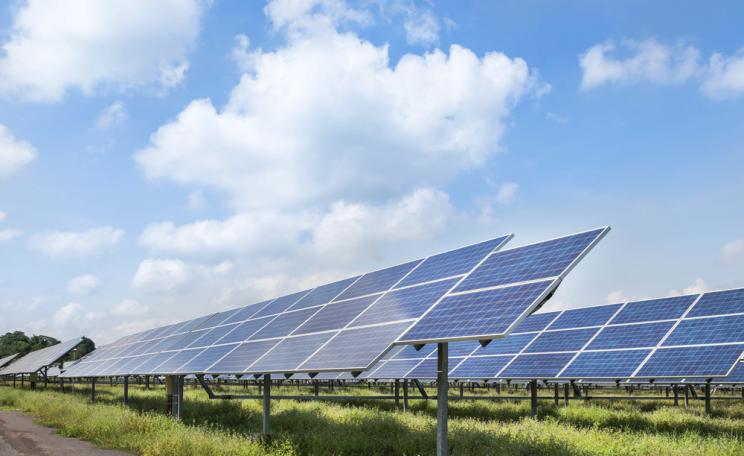
Mexico's oil looks set to run out within a decade, writes Jeremy Leggett, and it can hardly rely on Trump's America to make up the difference. But Mexico enjoys abundant sunshine, and the cost of solar power generation is falling fast. Let Trump tie America's economy to debt-financed fossil fuels. Mexico's future prosperity will come from harnessing its inexhaustible solar riches.
Never mind the climate idiocy that has gripped the USA! Global emissions are already flatlining, writes Joe Ware, and a new initiative just launched in London aims to start pulling them down by 2020. Sure it's ambitious, but it's possible - because the future is unlike the past, and it's already happening, right now. Are you up for the challenge?
Nuclear power was originally sold on a lie, writes Dave Elliott. While we were being told it would make electricity 'too cheap to meter', insiders knew it cost at least 50% more than conventional generation. Since then nuclear costs have only risen, while renewable energy prices are on a steep decline. And now the nuclear behemoths are crumbling ... not a moment too soon.
Dynamic power pricing that responds to supply and demand could transform the way we manage our electricity systems, writes Claire Maugham, opening the door to the mass integration of renewables like wind and solar. But smart meters are essential to making that happen.
The UK is placing energy storage at the heart of its new Modern Industrial Strategy, due to its potential to support smart energy systems and the automotive sector. As the energy industry moves away from carbon-heavy production, the twin-approach of renewable energy and storage will be critical for delivering on the demand while securing the future of UK energy, writes IAN LARIVE
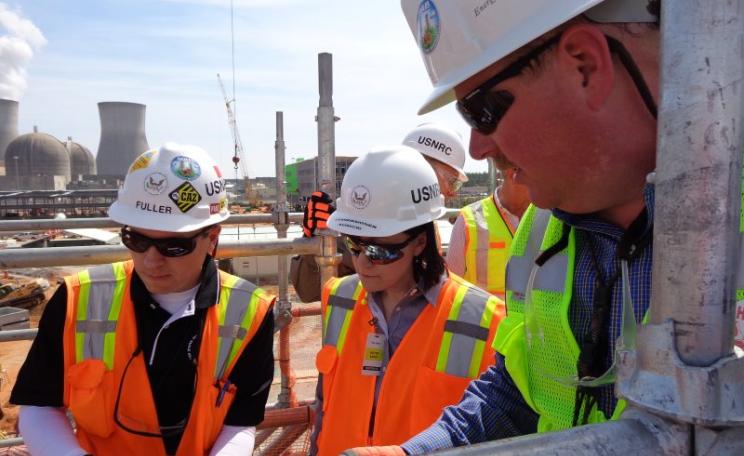
News that one of the world's biggest nuclear power constructors, Westinghouse, has filed for bankruptcy in with debts of over $10 billion has put the entire sector on notice and issued a dire warning to nuclear investors everywhere, writes Jim Green. Among the likely casualties: the UK's Moorside nuclear complex in Cumbria.
In a potentially devastating blow to the Earth's climate, President Trump's new executive order ends the Interior Department's moratorium on coal mining on public land and begins a repeal of the landmark Clean Power Plan, writes Trip Van Noppen. But this reckless move will not pass unchallenged - the Supreme Court has ruled that the EPA must tackle climate pollution, and clean energy policies can still be defended and advanced at state level.
The world is seeing the human cost of climate disruption playing out across the Horn of Africa. Severe droughts, erratic rainfall and rising temperatures have tipped nations towards famine and left communities fighting for survival. But it's also a man-made crisis and one that we can address both in the short and long term reports JOE WARE
So-called 'smart meters' are being rolled out across the UK, writes David Toke, but they don't support the dynamic pricing that's essential to expand renewable energy and decarbonise our electricity. It's time for green NGOs to get campaigning - and not leave vital decisions to a hostile government, a failing regulator and industry insiders.
David Cameron's Conservative government did its best to kill off the UK's lowest-cost renewable energy technologies, onshore wind and solar. But in next week's budget, the Chancellor can put that right. Renewables are low carbon, quick to deploy, have low environmental impacts, and enjoy high public support, writes Ervin Bossanyi. It's time to give them a break!
Believers in the possibility of a better civilization, one rooted in increasing co-operation and harmony, find ourselves in a world where demagogues are empowered to bring about the polar opposite, writes Jeremy Leggett. A new despotism rooted in isolationist nationalism and conflict is gaining strength. The battle is not lost: but first we must understand the dangers.
All but one of the candidates in next week's Copeland by-election are backing a massive new nuclear power station in the constituency that would cost us tens of billions of pounds. Only the Green Party's Jack Lenox is resisting the spin, hypocrisy and outright lies that his rivals have swallowed whole. Here he explains why this risky, unaffordable white elephant must be scrapped.
A new carbon 'tax and dividend' climate strategy would strengthen our economy, reduce regulation, help working class Americans, shrink government, promote national security, and reduce emissions, write eight senior US conservative politicians, financiers and academics. Now Republican control of all branches of the US government makes it an opportunity not to miss!