Under new planning rules, Travellers and Gypsies must be able to prove they are actually traveling to qualify for limited planning benefits to create new sites. But for many, it's impossible to do that. Not only to remain in employment, or education - but precisely because there are so few sites, that they are unable to travel.
Will we ever be able to say goodbye to capitalism? In his new book Paul Mason argues that its demise is inevitable, writes Caroline Lucas: neoliberalism contains the seeds of its own destruction, and it's up to ordinary people to replace it with a green, sustainable and cooperative society. So let's do it!
For the women farmers of Tamil Nadu life has long been a struggle, Sheelu Francis told Tristan Quinn-Thibodeau, all the more so following the advent of 'Green Revolution' industrial agriculture. So now women's collectives are organising to restore traditional foods and farming methods, resulting in lower costs, higher yields, improved nutrition, and a rekindling of native Tamil culture.
Worried about debt, defaults and deficits? Save up your concern for the real problem, writes Glen Barry. The systematic destruction Earth's natural ecosystems for short-term profit is the 'bubble' that underlies economic growth - and if allowed to continue its bursting will leave the Earth in a state of social, economic and ecological collapse.
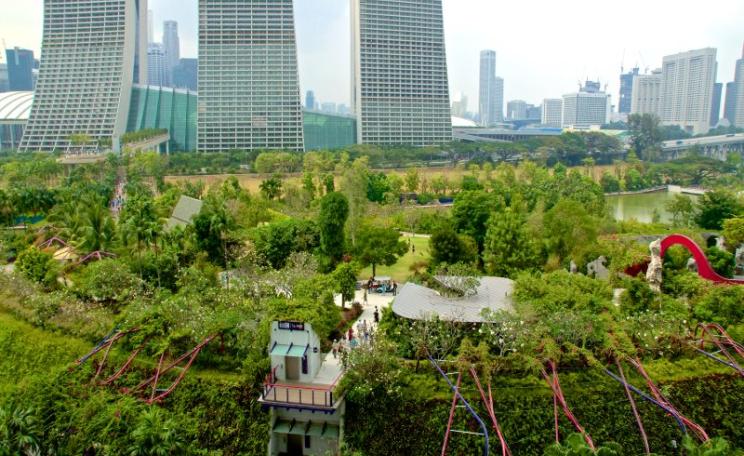
Biologist E O Wilson's grand idea of setting aside half of the planet for nature to thrive is both appealing and deeply challenging, writes William Lynn. But it's missing a key element: an urban vision of how people can live ecologically, joyously in the half we make our own.
They tried to influence government - but that's not working any more, writes John Vidal. So Friends of the Earth's new boss is taking a more radical approach rooted in community activism. And as he prepares for a storm of protest over fracking and cuts to wind and solar, he's ready to take on George Osborne in an 'ideological war' for the future of Britain.
The effect of new labour saving technologies has been ... to keep us working as long as ever, or longer. But why? Certainly not for our benefit, writes David Spencer. It's to keep civil society suppressed, docile, in thrall to the power of capital. All the more reason to rebel - demand a 30-hour working week now!
Greens are united in opposing neoliberal 'austerity', write Rupert Read & Sandy Irvine. But there's another kind of austerity to which we are committed - that of living within ecological limits. But base the transition on social, economic and environmental justice, and there will be nothing austere about it. The future we're working for is one of sustainable, life-enhancing abundance.
Following a series of disastrous failures in India, one of Coca-Cola's most important markets, the company is desperate to rebuild its reputation by claiming 'water neutrality'. But the idea is absurd, writes Amit Srivastava, and does nothing to benefit the communities that suffer from the depleted aquifers it pumps from.
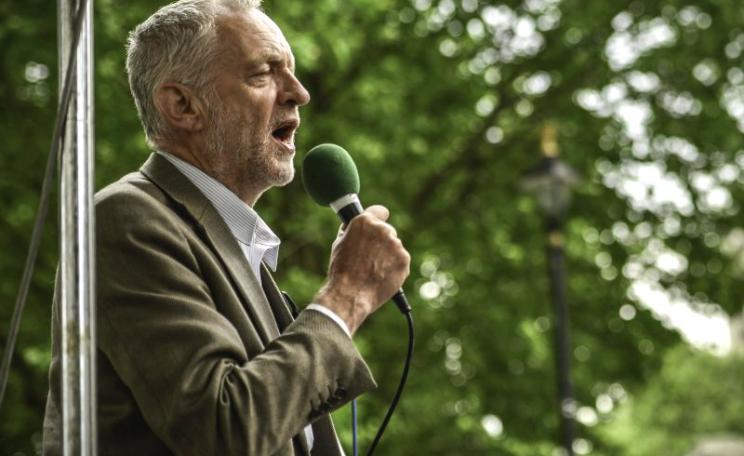
Jeremy Corbyn's soaraway success in Labour's leadership contest poses an existential threat to the Greens, writes Rupert Read. To counter it we must re-assert our distinctive ethos, values, policies and principles, rooted in ecologism not socialism, respecting natural limits, opposed to endless economic growth, dedicated to building and sharing the wealth we all hold in common.
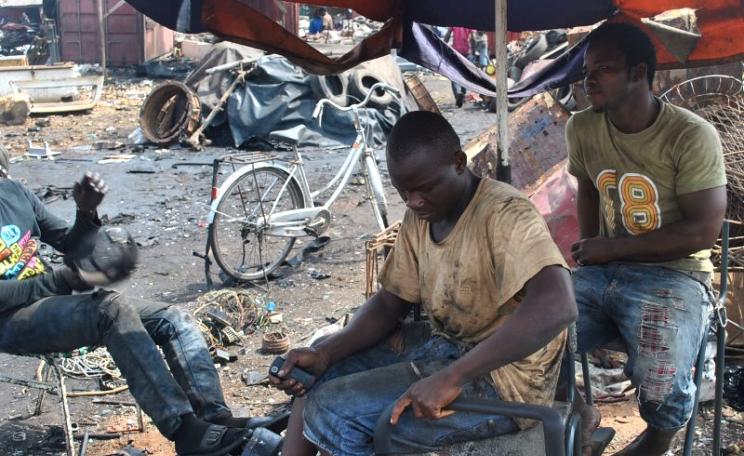
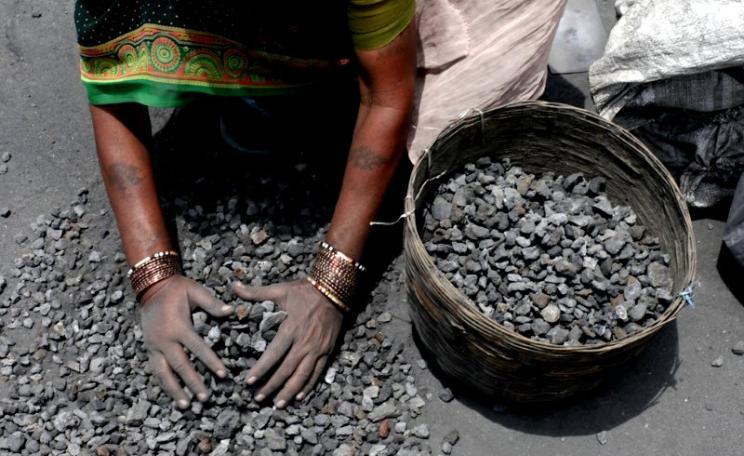
Most accounts of Agbogbloshie, the e-waste site in Accra, Ghana, persistently miss the point, writes Dagna Rams. Far from being a simple 'dump' for the world's trash, it is a huge recycling operation that pays for the wastes it receives, employs thousands of young men who would otherwise lack jobs, and plays a huge role in the national and global economy.
This day in 1945, the explosion of a nuclear bomb over Hiroshima, Japan, changed the world forever, writes Daniel Cordle. A remarkable article in the New Yorker by John Hersey has shaped the way the world perceives the event, and nuclear weapons generally, by illuminating the humanity of its victims in clear, simple prose.
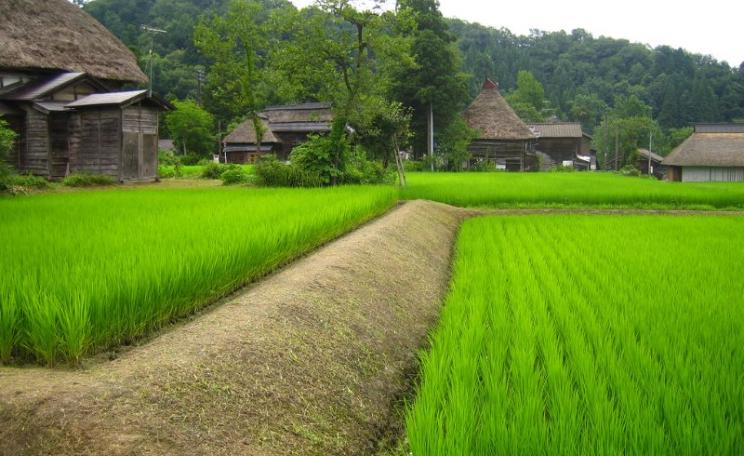
Japanese rice farmers won a reprieve last week when TTP negotiations in Hawaii ended without conclusion on opening Japan up to cheap US rice imports, writes Nicole L Freiner. But with Japan keen to export more cars to the US, the victory is a temporary one. At stake is a way of life, an ancient land-rooted religion, and the future viability of Japan's farming villages.
A transformative, progressive political agenda focused on human wellbeing has morphed into a new form of behavioral management, writes William Davies. Happiness itself has been packaged, commoditised and put to the service of capital - and if you haven't got it, the Happy New World has no place for you.
The Conservative attack on the environment is being carried out for good reasons, writes Chris Rose: because they can; because it delights their support base; because it heads off UKIP; and because they think it carries no political risk. Now it's up the UK's green movement to prove them wrong. But have our 'herbivorous' NGOs got the stomach for a fight?
Forget tariffs, forget Obama's promises. The whole point of modern 'trade agreements' is to whack pesky labor, environment and health laws, writes David Morris, and so empower capital and corporate power against regulators, governments and democracy itself. Unconvinced? Just imagine what these deals would look like if they were there to empower people.
All too often language is used to objectify nature, writes Caspar Henderson. But there's another, older vocabulary - introduced in this 'counter-desecration phrasebook' - that achieves the reverse: connecting us with the wonders of life and arousing delight in the natural world.
Sooner or later, humanity will have to accept the constraints of a finite world, writes Guy Shrubsole. But two rival economic visions offer conflicting paths to sustainability. In fact, it's time to stop arguing and get on with it - going for green growth in the near term, while aiming for a deeper societal transformation.
Rewilding is now firmly on the agenda, writes Paul Jepson, and that brings a huge opportunity to re-invigorate conservation. But we must look to creating new functional ecosystems for the future, rather than trying to recreate a lost and perhaps imagined past.
Coal companies and their 'sceptic' shills have almost given up on denying climate change, writes Brendan Montague. The new message is that coal is essential ... to end world poverty! And those who advocate climate action are 'harsh, cold-hearted' beasts. The one thing that hasn't changed? It's all lies.
The world has become intolerable for people everywhere, and for Earth herself, says Pope Francis. Profound, transformative change leading to social and economic justice is now an absolute necessity and something we must all fight for. We must also act to safeguard the Earth herself, our common home.
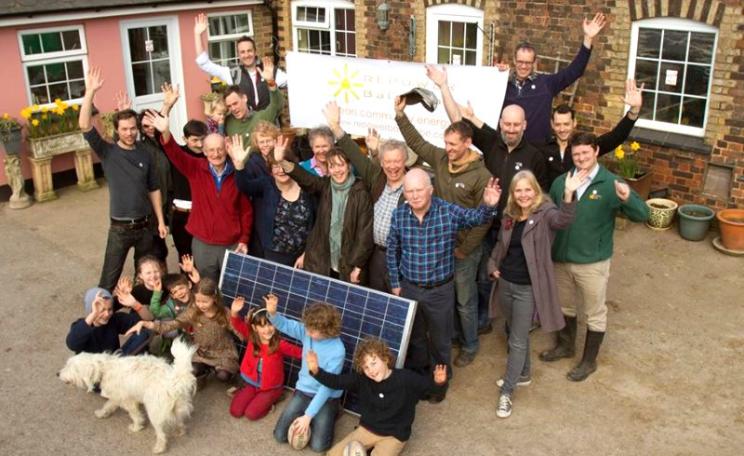
When fracking came to Balcombe in West Sussex in 2013, it divided village opinion, writes Joe Nixon. But the community is now united in its commitment to locally owned renewable energy, with solar projects on schools and farm buildings, and plans just in for a new 5MW solar farm.
We have a problem, writes Samuel Alexander. Even the most eco-friendly rich world lifestyles are overconsuming resources and over-dumping wastes. To put us on track to 'single planet living' will mean far deeper changes than any yet envisaged, including deliberate 'degrowth'' and the abandonment of consumer culture.
Within minutes of Labour's election defeat its MPs were denouncing Miliband for failing to 'embrace aspiration' and alienating 'wealth creators', writes Ben Whitham. But the real problem was that he never expressed a coherent alternative to neoliberalism and austerity, presenting at best a 'Tory lite' agenda that failed to inspire. And who are the real wealth creators anyway?