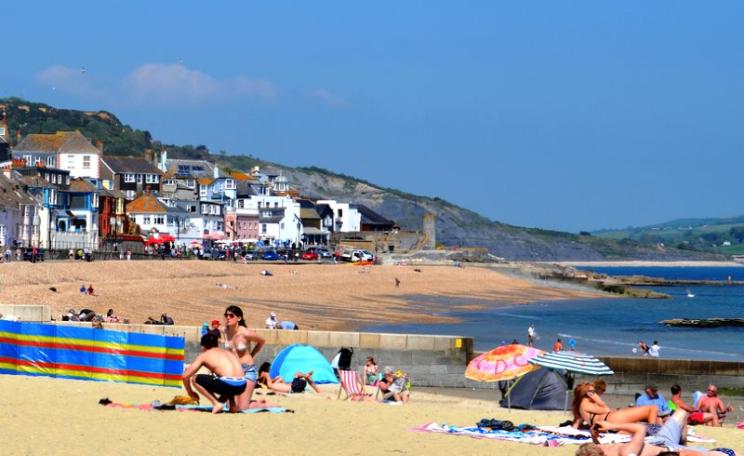
With the UK's business air travel falling, the Airport Commission says we need a new London runway to make us happy! But all their data really shows is that people who go on holiday lead happier lives than those who don't, writes Chris Goodall, and that people enjoy holidays: a flimsy basis on which to expand airport capacity, and blow the UK's emissions targets out of the water.
Technology is crucial to all the big issues, but criticism is hampered by mythologies and structures of power, writes David King. Designed by and for corporate interests, modern industrial technologies embody a 400-year old technocratic philosophy of control of nature and people which must be confronted.
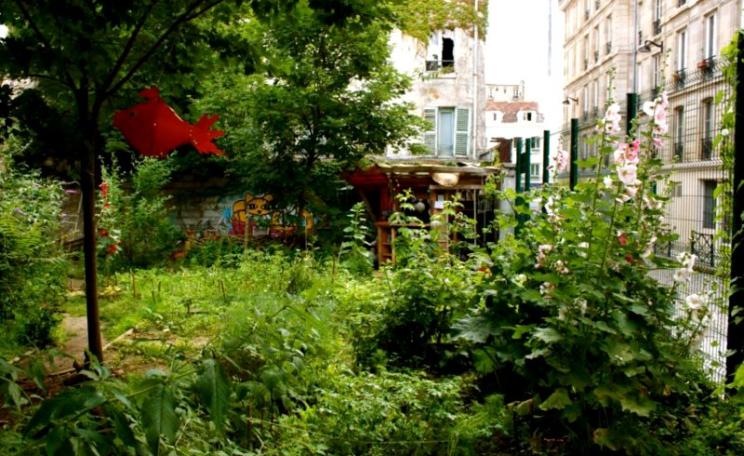
As Paris prepares for COP21 in Paris, Marc Brightman finds that the city is in the grip of a benign but ignorant authoritarianism that is ready to trample on much-loved green spaces like the Bois Dormoy, reclaimed from dereliction by the multicultural local community, which represent real solutions to the global problems of food, climate, the future of our cities, and our place in nature.
Three scientific expeditions into the Atlantic ocean will take place this summer, writes outdoor philosopher Kate Rawles. But as well as gathering data about plastic pollution and over-fishing, they will give participants the chance to think deeply about our society, its values, the often false narratives it tells; and our place, as humans, in the natural world.
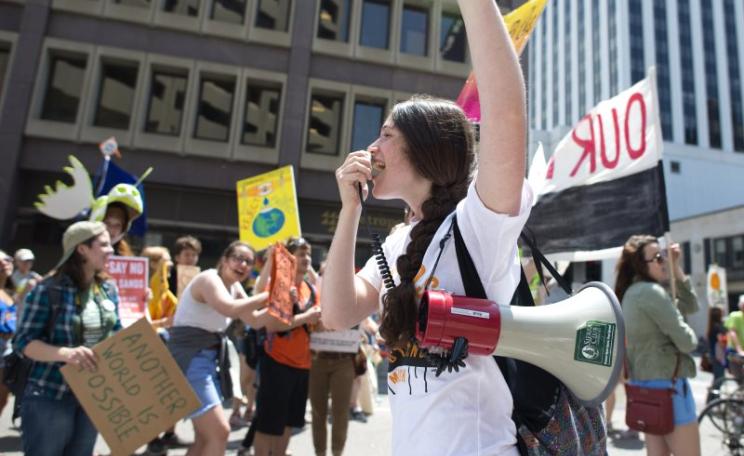
The Midwest's largest ever anti-tar sands demonstration took place in Minnesota last weekend, writes David Goodner, cementing a new alliance of diverse communities united in resisting the pollution and destruction of tar sands exploitation, processing and transportation.
A consistent pattern is emerging in the UK government's plans and policies, writes Paul Mobbs: the stripping away of human rights and freedoms; the detachment of public institutions from democratic accountability; an increase of the powers of the state; and the empowerment of corporations at the expense of people. We must act to preserve our liberties, while we still can.
While we face 'hard choices' about which species and ecosystems to conserve, it's odd how we face no such quandaries over which of our frivolous luxuries to refrain from, or what murderous weapons system not to build, writes Derrick Jensen. And of course, there's no question at all of tackling the root causes of global ecocide.
After six decades of oil exploitation, Nigeria's failure to provide for its citizens and develop its economy has exposed a hollowed-out state that benefits only the politicians and plutocrats, writes Joshua Goldfond. This is the environment in which Boko Haram has flourished, and as Nigeria proves incapable of effective action or reform, there's no end in sight to the nation's misery.
The mass spraying of glyphosate in Colombia, both on farmland and in the 'war on drugs', is a direct an attack on small scale farmers, rural communities and FARC rebels, writes W.T. Whitney Jr. But since the chemical was declared a 'probable carcinogen' Colombia has restricted aerial applications. The first step in a wider backlash against the toxic herbicide?
Food and water shortages and sharp price hikes in the necessities of life are driving civil unrest and rebellion across the Middle East and North Africa, writes Nafeez Ahmed. Adding to the problem, many of the afflicted countries are of strategic importance for their oil and gas, putting them on the front line of destabilizing 'counter-terrorism' operations.
The Lobbying Act has left corporations and lobbyists free to argue their case in the election 'debate', writes Adam Ramsay. But the justified fear of legal sanctions has gagged charities and NGOs from speaking out, silencing the very people voters need to hear from most.
Palestinian children as young as 11 work on Israeli farms in the occupied West Bank, an HRW investigation reveals. While the EU buys produce worth $300m a year from the illegal 'settlements', undocumented child labourers are exposed to pesticides, paid well below the minimum wage, enjoy no employment rights, and toil long hours in hot fields and greenhouses.
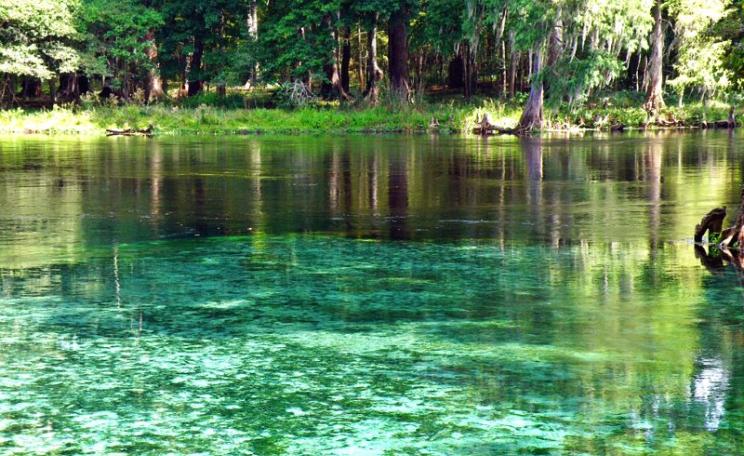
President Obama Earth Day appearance on the Florida Everglades' failed to disguise the truth, writes Grant A. Mincy - that governmental and corporate domination of ecosystems brings their all too predictable destruction. It's not national parks that will save our nature, but restoration of the commons and their management by local communities.
Calling the natural world 'it' absolves us of moral responsibility and opens the door to exploitation, writes Robin Wall Kimmerer. To make our kinship with all life on Earth a life-affirming daily reality, we need a new pronoun for our fellow beings.
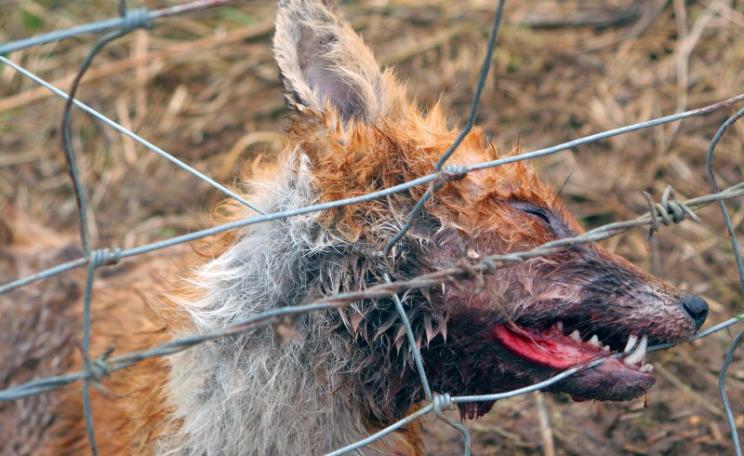
If you care about the wildlife in our countryside and the welfare of animals, then make your vote count in the general election, writes Joe Duckworth. Backed by Cameron himself, 'country sports' enthusiasts are getting organised to support pro-killing candidates. We must be even more effective in opposing them.
Forests are the traditional refuge of rebels, dissidents and all who seek freedom from the strictures of civilization, writes Ken Worpole. But for all the idea lives on in our hearts and minds, that role has now been usurped by our cities. Now, just as our forests have been enclosed and subdued, so our cities face a similar fate - one we must resist to preserve our liberty.
Lettuces, peppers and other vegetables grown under 'semi-slavery' conditions in Spain are filling supermarket shelves in the UK, writes Almudena Serpis. Workers are routinely abused, underpaid, sprayed with pesticide, and sacked if they dare complain, an C4News / Ecologist investigation has found. But now they are getting organised to defend their rights.
The Green Gathering is a festival with a rich history that's not afraid to encompass hedonism, writes Emma Fordham - but also goes way beyond it. A showcase of real life alternatives with a mission to have fun and change the world, it's coming back this summer - so prepare for an unforgettable experience (and £10 off the ticket price).
Some people like fixing things - others have things to fix. Repair cafés are a new global phenomenon that brings the two together, writes Jade Herriman - giving satisfaction to both, sharing skills, keeping stuff out of landfill, fighting 'designed obsolescence', and building communities sustained by mutual help.
Radical hope is not just about determination and courage in the face of darkness, writes Paul Hoggett - it is also about love and a re-finding all that is benign in the world. And this is the spirit we need to muster to confront the serious challenges that lie before us - in the Paris climate talks and beyond.
Easter is a time when - chocolate munching aside - it's still possible to take a step back from consumer-capitalism, writes Frederick Trainer, and pause to think where it's getting us. The sad fact is that so long as society is driven by consumerism, our society can never be ecologically sustainable or just.
A new government website to promote more sustainable lifestyles is hopelessly lacking in ambition, write Kirstie O'Neill, Adrian Friday & Adrian K. Clear. We need to be re-engineering our infrastructure, re-imagining society and re-thinking the ways we live for disruptive, transformative change - not tinkering ineffectually at the margins of 'normality'.
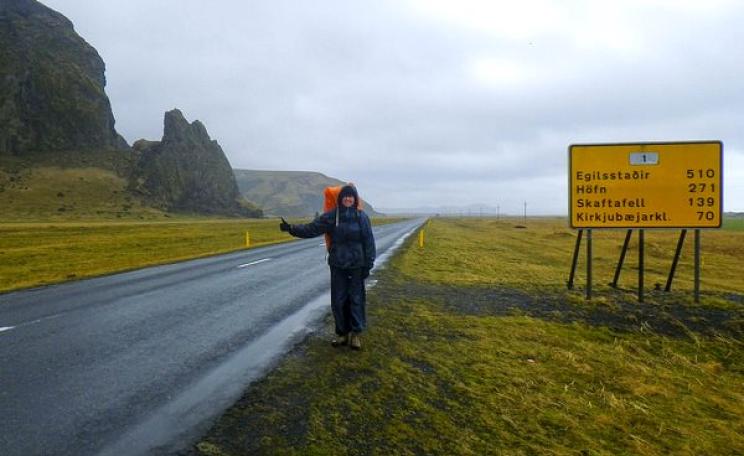
Thumbing rides must be one of the greenest forms of travel, and despite all the scare stories and public service warnings, drivers still stop for hitch-hikers. But Adam Weymouth fears for the future of hitching, as the 'sharing economy' sanitizes the experience and strips out the essential sense of adventure, revolution and travelling into the unknown.
The global epidemic of violence against women and their systematic exclusion from the power structures that rule us are integral to man's violent exploitation of Earth and her resources, writes Nafeez Ahmed. The fight to save the Earth must begin with the empowerment of women - and that means ending our complicity in their oppression, and servitude.