Anthropology, the study of humankind, should be the first of all the sciences our children encounter, writes Marc Brightman, with its singular capacity to inspire the imagination, broaden the mind and open the heart. Moves to downgrade it in the education system by those who know the price of everything, and the value of nothing, must be fought off.
Modern industrial capitalism is based on a simple premise, writes Derrick Jensen: our mother Earth is a great store of raw materials for us to pillage, and a vast trashcan for our endless volumes of waste, no matter how long-lived and deadly. How can this be changed? First we must regain our own sanity.
Israeli settlers in Palestine's South Hebron Hills last week cut down an orchard of 36 olive trees, in the latest attack of a decades-long war against Palestinian culture and survival in which has seen the cutting, burning and bulldozing of over a million olive, fruit and nut trees.
Alaska has put in place a 'citizen's income' paid to every resident by right - their dividend from the state's oil and gas wealth. The principle should be applied everywhere, writes Peter Barnes, compensating us for the enclosure and exploitation of the global commons, our shared inheritance of land, water and sky.
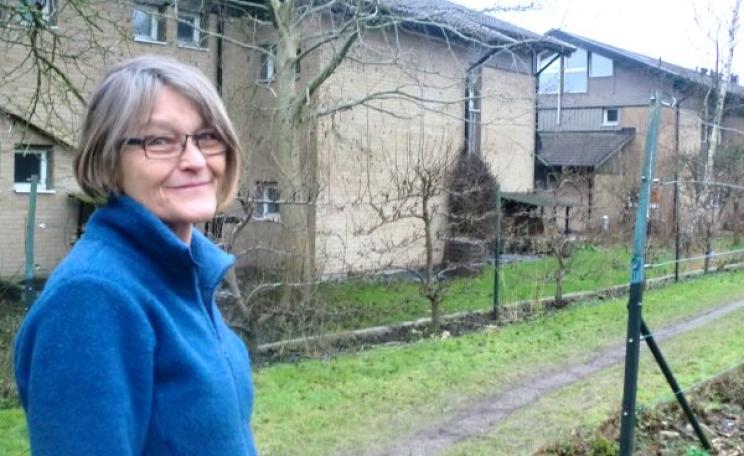
Solbyn, a sustainable community in southern Sweden, is a cold place to spend the winter, writes Gillian Thomas. But for all the snow outside, the well-insulated homes stay warm in the harshest conditions - and the welcome is warmer still. Come summer, there's an organic farm to nurture, but February is a month for friendship, making plans, and brilliant starry nights.
The financial cost of the diseases of modern civilization is almost double the budget of the National Health Service, writes Jules Pretty, while the economy has grown past the point of greatest satisfaction. Our over-riding priority should be to move to greener, healthier, more sustainable and satisfying ways of life.
The fossil fuel industry's big reaction to Global Divestment Day shows us something important, writes Kate Aronoff - they understand the existential danger they face better than we do. To win the battle for the world's climate, as we must, the victory must be total - and there is no place for neutrality or weak compromise.
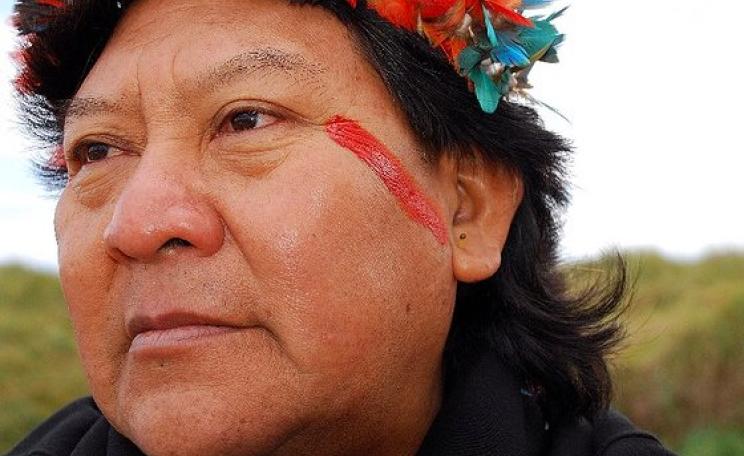
This powerful book by Davi Kopenawa and Bruce Albert reveals to us the world view of the Yanomami shaman, writes Sue Branford - together with many uncomfortable insights about the horrors of mainstream modern society, seen from an indigenous viewpoint as a form of organized madness that's driving the world to destruction.
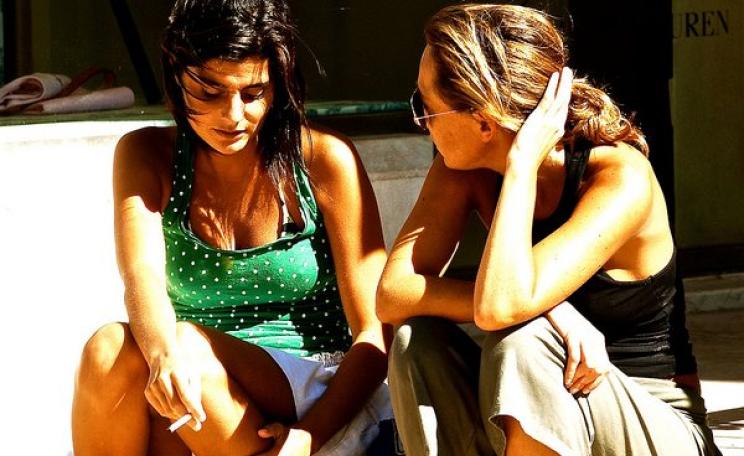
Despite the urgency of climate change, most people close their eyes, turn away turn away and hope someone else will sort it out. It's not that we're bored, writes psychotherapist Rosemary Randall - we're more likely to be fearful, anxious or embarrassed. So how can we help people to feel less scared, and see that we are all are part of the solution?
The geoengineering genie should remain firmly stopped up in its bottle until a robust case is made for letting it out, writes Clive Hamilton - and that's something the NRC's new report signally fails to achieve, providing no rationale for deploying the technology, or even experimenting with it.
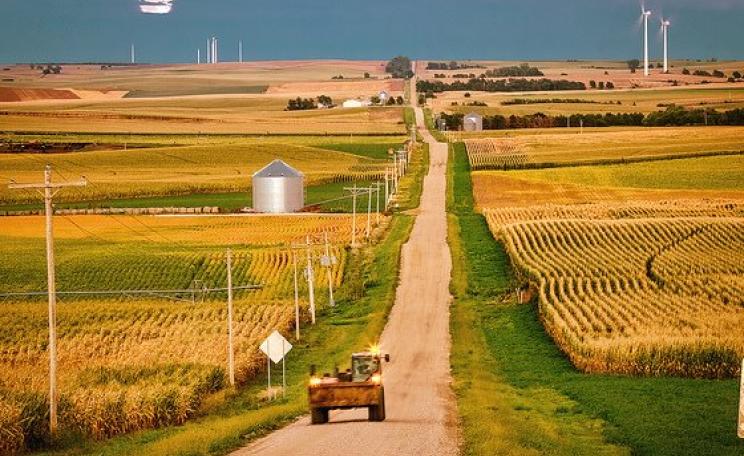
Republican Nebraska's energy is all publicly owned or cooperative, writes Thomas M. Hanna, and prices are among America's lowest, with great service standards and a strong commitment to renewables. Decentralised and locally accountable, this could be the model that replaces inefficient, unresponsive monopolies - both nationalised and corporate.
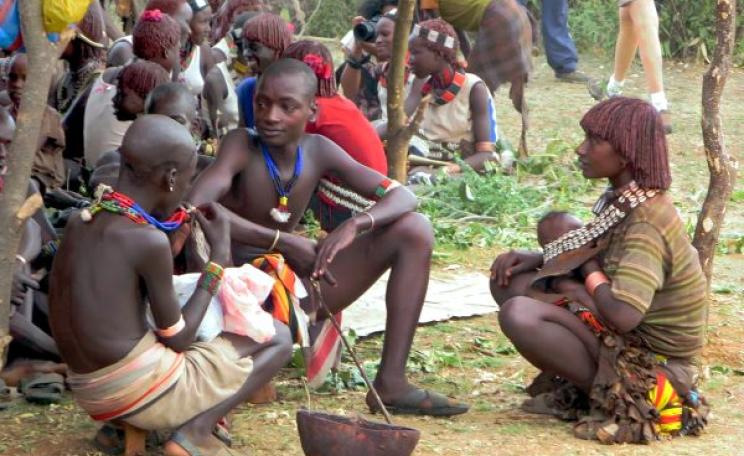
In his search for alternatives to consumerism and industrialism, Jules Pretty travelled around the world to find surviving nature-based cultures. In this extract from his book 'The Edge of Extinction', he tells of the Tuva people of the Siberian steppe - proud of their traditions and closeness to the land, but very much part of the modern world - strictly on their own terms.
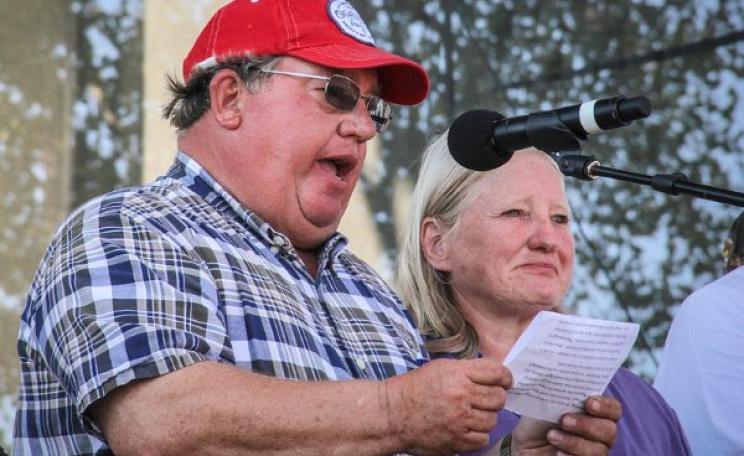
Nebraska has become ground zero for the fight against Keystone XL, and Art Tanderup - farmer and retired schoolteacher - has become a leading voice in the struggle. He spoke to Kate Aronoff about the divisive impact of the pipeline on the local community, threats to the Ogallala Aquifer, and the urgent need to shift to clean, renewable energy sources.
Stories told by Australia's Aboriginal peoples tell of the time, over 10,000 years ago, when the last Ice Age came to an end, and sea levels rose by 120 metres, write Nick Reid & Patrick Nunn. The narratives tally with the findings of contemporary science, raising the question: what is it about Aborigines and their culture than so accurately transmitted their oral traditions across thousands of generations?
In this imaginary letter to the father of modern taxonomy and ecology, Carl Linnaeus, about the current status of life on Earth, Gianluca Serra suggests renaming the human species from the self-satisfied 'wise' to 'obtuse' - if only to spare us from the ridicule we so richly deserve for our collective insanity.
After spending twelve days on a small island in Palau without the ample resources of modern life in developed cities, Andrew Broadbent ponders the crucial role trust will - and must - play in restoring our communities.
The world's collective failure to tackle climate change comes down to one big problem, says Naomi Klein: the clash of climate necessities against corporate power and a triumphant neo-liberal world order. So after decades of government dithering, she told Oliver Tickell, it's time for civil society to unite and build a radical justice-based movement for climate action.
Peter Mandelson is 'intensely relaxed' about growing inequality, but he shouldn't be. It's the result of a 'trickle up' economy which perpetuates and fosters injustice, violence and ill health, writes Global Justice Now, and corrodes democratic societies at their very foundations.
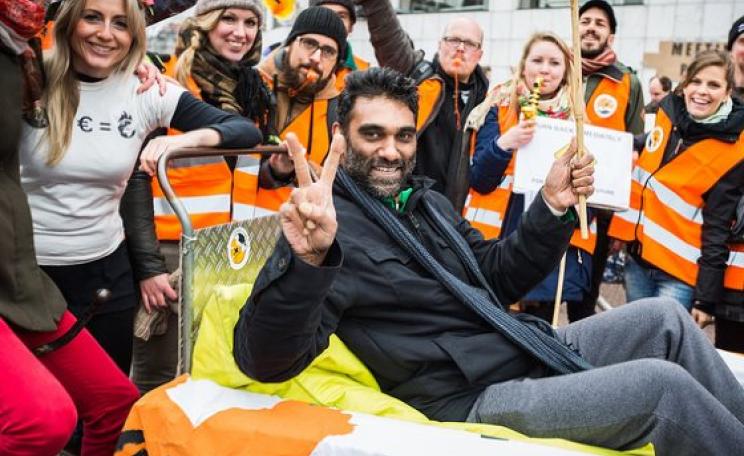
Yesterday, Green party membership in the UK overtook that of UKIP and the Lib Dems, writes Adam Ramsay, who offers 13 reasons why in just two days over 4,000 new members joined the Greens, an astounding 10% growth rate. And it's no flash in the pan - membership had already doubled since September, and the Green surge could still have a long way to run ...
Most gold mining in Peru causes serious environmental damage, write John Crabtree & Judith Condor-Vidal, but there is one exception - a Fair Trade certified mine close to the world-famous Nazca Lines. Now it's up to us to demand Fair Trade gold from the jewellery trade, rewarding responsible producers and expanding the market for new Fair Trade gold miners.
Tolkien's Universe is one that reflects our own, writes Richard Gunderman - and has come to resemble it all the more as industrialism, militarism and an unjust economic order have come to dominate the world and enslave its peoples. It's time to follow the Way of the Hobbit.
There are no good reasons for not acting on population and migration, writes Simon Ross. It's time to tackle the issues head on and openly to challenge the excuses for doing nothing - or for acting only indirectly to reduce population growth, by raising the status of women in high fertility countries.
We humans have much to learn from our kissing cousins, the peaceful, empathic, playful, sensual and highly sexual Bonobos, writes Susan Block. Rather than play out the myth of ancestral 'killer apes', better follow the 'Bonobo Way', and extend our love to all living beings and Earth herself.
The responses that climate change demands of us are collective, writes Mark Maslin, and force us to accept the finite nature of global resources and the need for equitable sharing. So when climate change collides with belief in neoliberalism, free markets, strong property rights and rugged individualism, denial trumps science every time.