Privatised energy has failed us, writes Sam Lund-Harket. While energy company chiefs earn millions of pounds a year, one in ten English households live in fuel poverty. But there is another way. All over the world countries and communities are taking energy, water and other essential public services back under democratic control.
As well as being masters of water engineering, the Romans also engaged in a long distance trade in water across the Mediterranean - embodied in grain, oil, wine, cloth, metals and other goods. They also discovered the food-water-energy nexus - and not in a good way. We need to heed the warnings from Roman history.
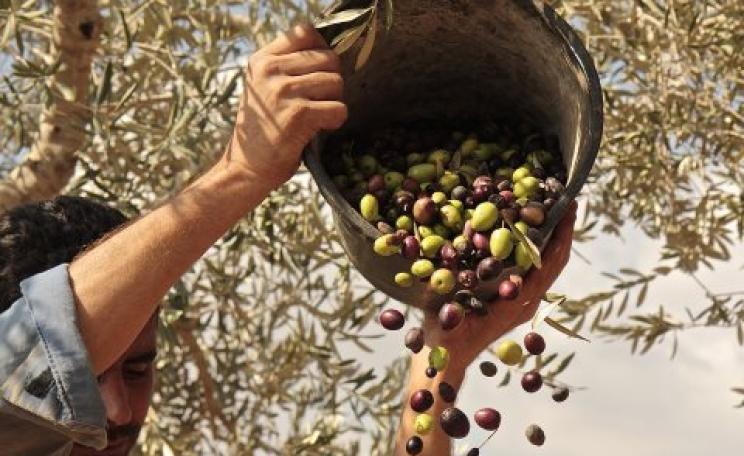
Palestinian minister Ziad Abu Ain died yesterday after being attacked by Israeli soldiers while planting olive trees in the West Bank - a peaceful and fruitful challenge to a long and brutal military occupation. As Zaytoun co-founder Cathi Pawson writes, we can help by buying organic Palestinian olive oil, available in the UK against all the odds.
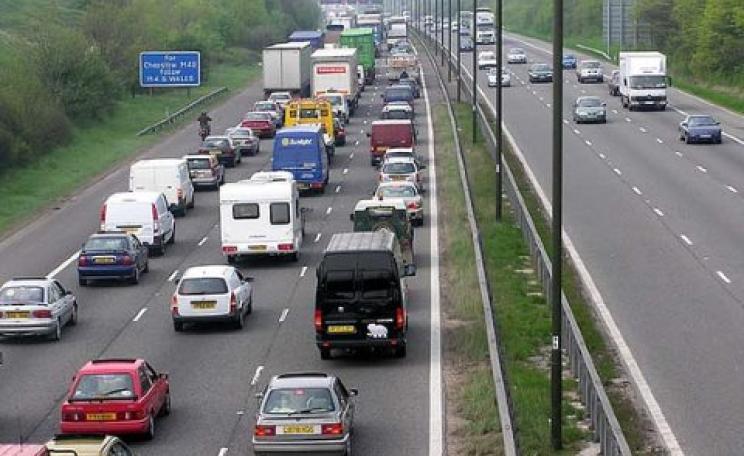
George Osborne's announcement last week of £15 billion for English road schemes may have played well with frustrated drivers, writes Daniel Newman. But all the road spending will achieve is to lock us more deeply into an unsustainable, unhealthy and deeply dissatisfying way of life.
East Liverpool, a small city by the Ohio river, is a cancer-ridden dumping ground for the detritus of the global economy, writes Caitlin Johnson. With its filthy power station, coal ash lake, 1,300 fracking wells, silica sand mountains and a huge toxic waste incinerator, the city's people need your help in their fight for environmental justice.
For nearly 30 years, Gil Fortes was a hunter of Cabo Verde's shearwater chicks, helping to drive the bird to the brink of extinction. But following a life-changing rethink, he and his daughter Isabel (Bella), are now at the forefront of efforts to save the shearwater and rebuild its perilously low numbers.
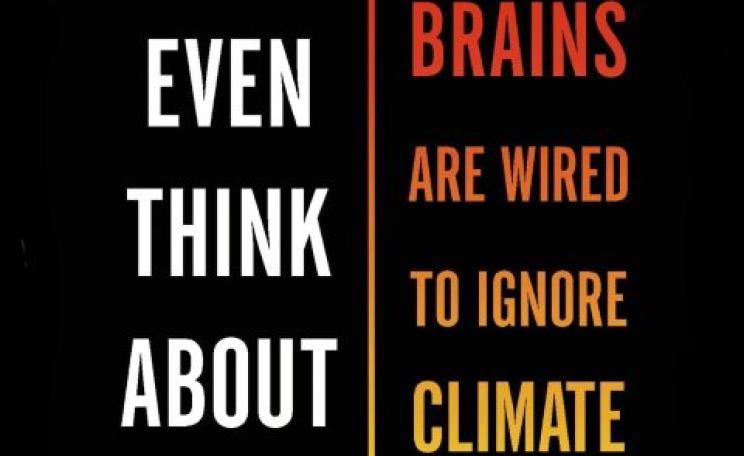
Death threats, abuse and torrents of online hatred show how climate change scientists are demonised, writes Tim Radford, in a way without parallel in the history of science. It's all set out in a new book that explores both climate change denialism, and our inaction despite overwhelming evidence: 'Don't Even Think About It'.
Left wing governments across the Americas are faced with a dilemma, writes Daniel Macmillen - high social spending programs financed by income from destructive mining and hydrocarbon extraction - or a slower but sustainable development path that puts ecology, equity and justice first. Their answer - a constant pushing back of the resource frontier.
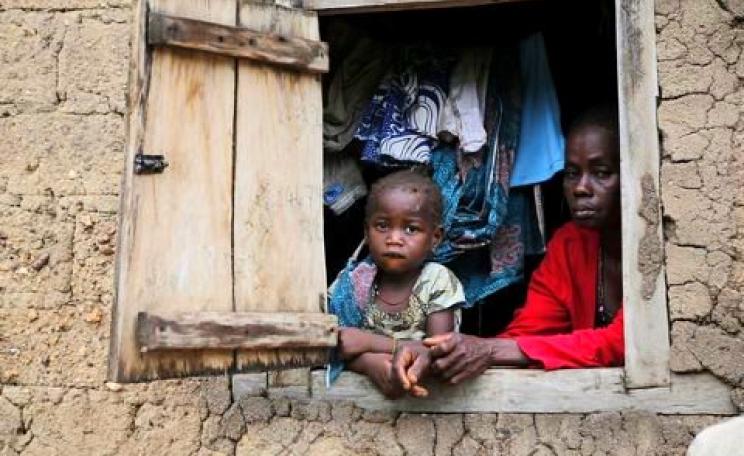
The human family must come together now to stop Ebola in West Africa or risk a global pandemic that could potentially kill billions, writes Glen Barry. And that will mean solving, with equity and justice, the disease's root causes: rainforest loss, poverty, war and overpopulation.
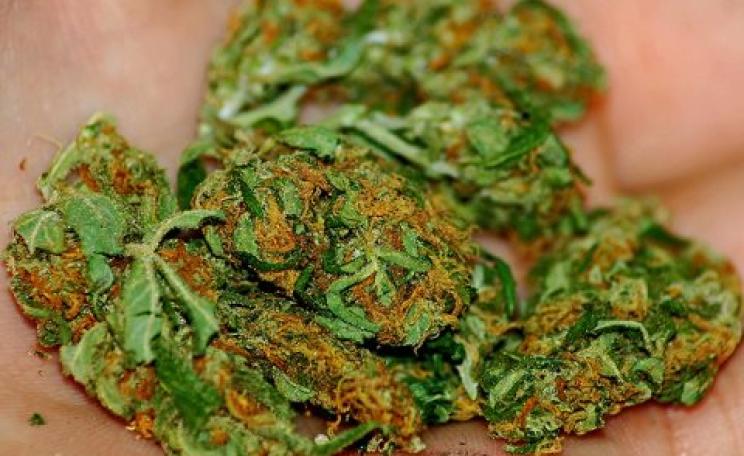
Next year Uruguay will create a state marijuana monopoly, writes Benjamin Dangl. Supplying high quality product in limited per person quantities, and at controlled prices that undercut the black market, the initiative will safeguard public health, cut off funds from criminals, and finance social programs. So why don't we all do it?
With 300,000 hectares of forests, fields and steppes damaged by fire, the war in Ukraine has done huge damage to the country's environment, writes Dimiter Kenarov. But there has been an upside: a new green spirit is taking root, and young volunteers are stepping in to protect wild spaces.
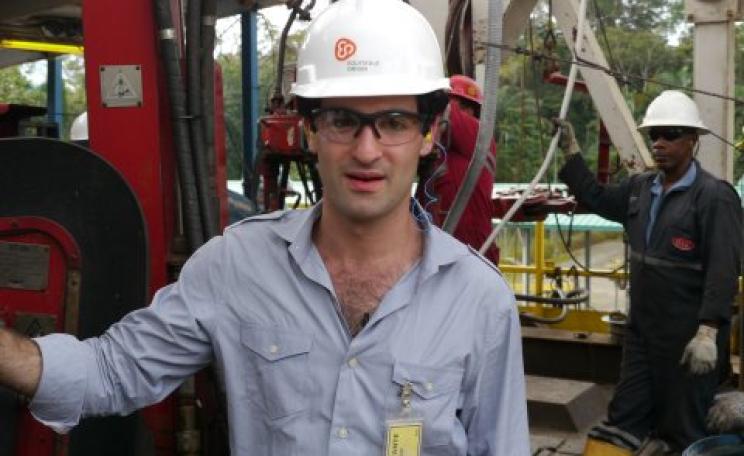
The oil and gas industry is disrupting communities and damaging ecosystems worldwide, writes David Poritz. Tough, independent social and environmental standards for the industry can bring urgently-needed improvements to company practices - even where government regulation has failed.
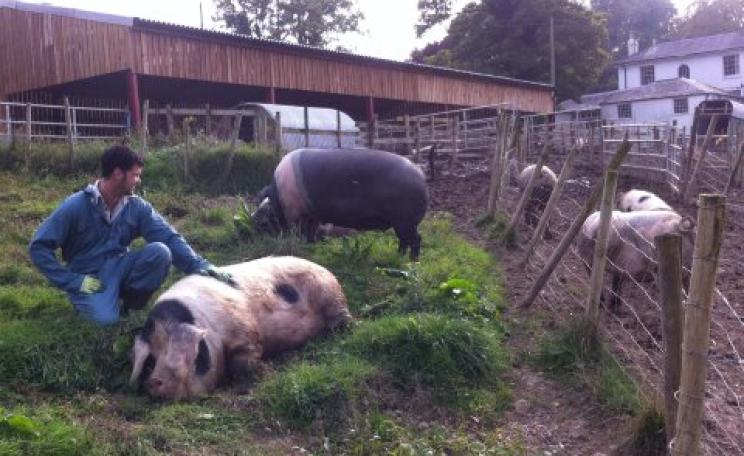
Everyone loves family farming! And so they should, writes Holly Creighton-Hird, as family farms produce most of the world's food. But the UK Government has a funny way of showing it - favouring corporate agriculture and eliminating farm payments for small land holdings. It's up to us, the public, to support small, high welfare producers.
When Shell decided to quit its Arctic oil exploration it cited 'insufficient quantities' of oil and gas, writes Louise Rouse. But that was not the whole story: what tipped the balance was a combination of investor discontent, reputational damage and public opposition on an unprecedented scale.
Politicians are forever citing 'terror' as a reason to expand the security state and restrict civil liberties, writes Paul Mobbs. But when it comes to the real threats that face the world - ecological breakdown, climate disruption, resource crises, and an unjust and rapacious world order ... well, that's all 'green crap'. Isn't it?
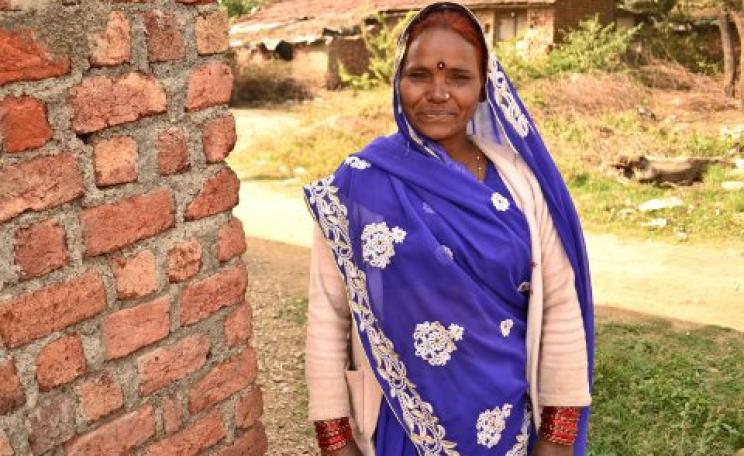
Women of an 'untouchable' caste in village India are rebelling against a life of cleaning human ordure, poverty and relentless discrimination, writes Amy Braunschweiger. Among them is Lalibai, who inherited her 'job' at the age of 12 - but has just helped to organise a protest march of 10,000 women across 18 states.
The Apricot Centre in Essex is a unique project that uses organic horticulture and animal husbandry to heal, inspire and educate children from diverse backgrounds, and kindle love for the natural world, writes Martin Large. Now it's expanding to Devon, to establish a second, much larger biodynamic smallholding near Totnes and Dartington.
An ecological project has taken root on an abandoned olive grove outside Ramallah. As well as restoring the land itself, its deeper aim is to nurture the ancient links between the Palestinian people and nature, and rebuild a culture of steadfastness in the soil of their native country.
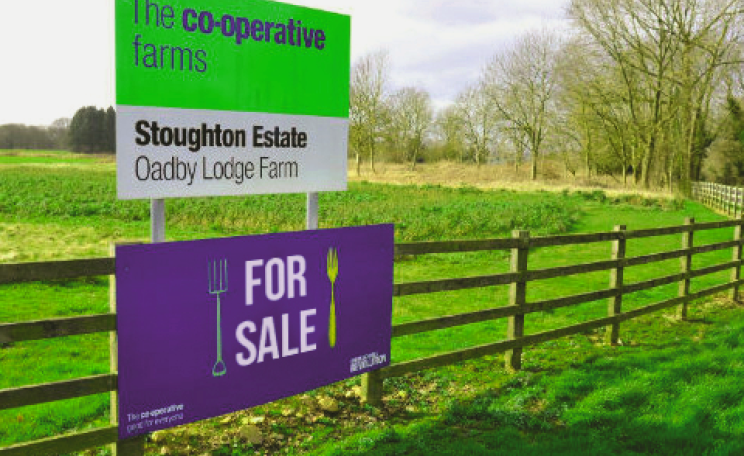
The sale process of the UK's Co-op Group of its entire 70,000 acre farm estate systematically blocked community and cooperative bidders. Not a single such bid was received by the deadline.
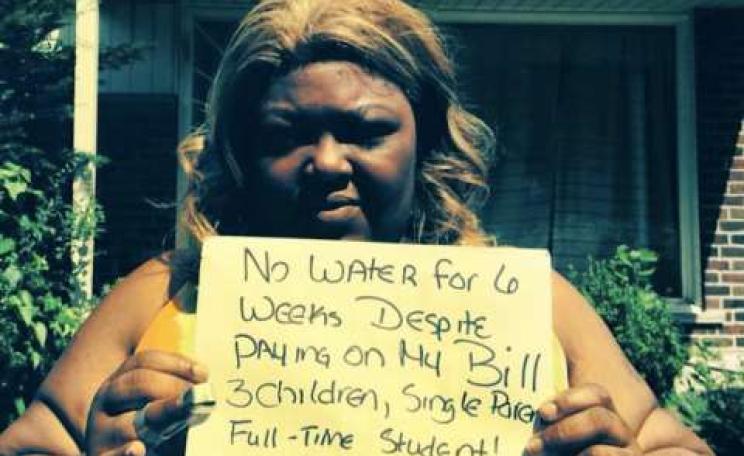
Detroit is shutting off water to 40% of residents to prepare the water system for a corporate buyout, writes Justin Wedes. Residents are organizing to resist the water shuttoffs, anti-democratic rule and the demands of Wall Street - but they need our help!
Campaigners for the labeling of GMOs in food are winning their battle against corporate America, writes Ralph Nader. No wonder the corporations are fighting back with lawsuits and scare stories ... they're on the back foot, and they know it.
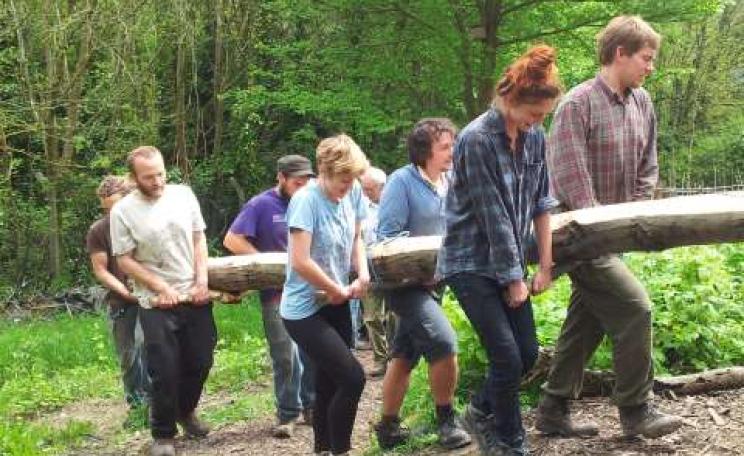
A Sussex-based forest gardening project has overcome adversity to celebrate its 20th anniversary, writes Jan Goodey. And now it features one of the most eco of eco-builds in Britain, using all local timber, clay, straw ... and wine bottles.
Migration is an essential component of strategies to adapt to changing climates, writes Alex Randall. Greens should welcome migrants and support their efforts to build climate resilience in their home communities.