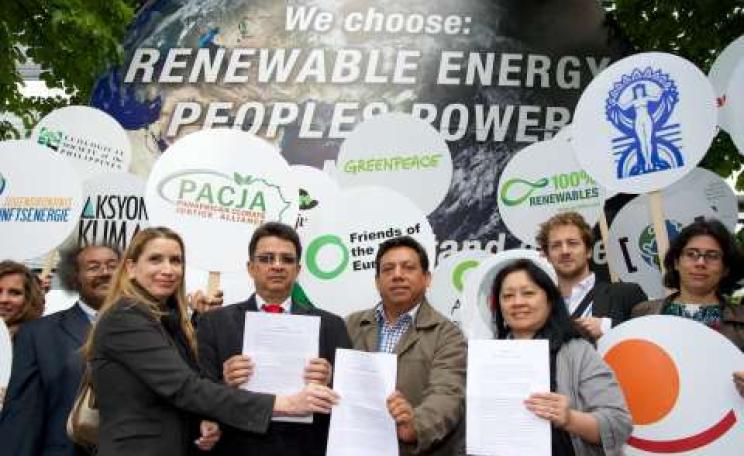
Repowering London is an energising force - not just making renewable energy projects happen, but engaging communities to finance them, training young people to install them, and ensuring the benefits stay local. Lucy Anna Scott meets the dynamic Agamemnon Otero ...
Britain's deep-seated environmental and economic problems have nothing to do with immigration, writes Adam Ramsay, and everything to do with our unjust and divisive social order, and the austerity that is being inflicted on us by an oppressive ruling class.
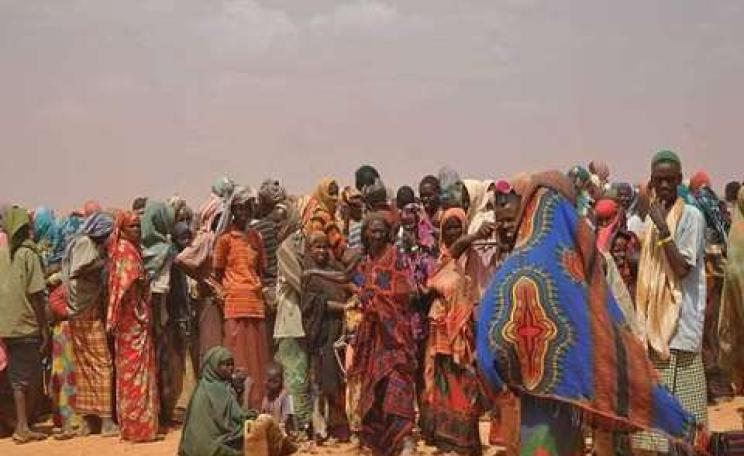
Governments worldwide have been warned: draw up plans to help populations who are being forced to move because of climate change, or face a future of growing conflict and insecurity, writes Paul Brown.
Visit the British Museum's hugely successful Vikings exhibition, and you can't miss the BP branding - a fair price for their sponsorship? No way, writes Chris Garrard, who will join a 'flash-horde' at the Museum next Sunday and give BP its last rites in a Viking longship.
There is more to sustainable transport than cutting emissions, writes Nicola Spurling - like reducing car dependence, cutting congestion, and reducing the need for travel. The Tesla Model S is a wonder of engineering, but does little to address the real challenges.
At last year's climate talks in Warsaw the corporate fossil fuel lobby was firmly in charge - and the result was catastrophic failure. At the talks now under way in Bonn, it's our turn to set the agenda - the billions of people crying out for positive action on climate and energy.
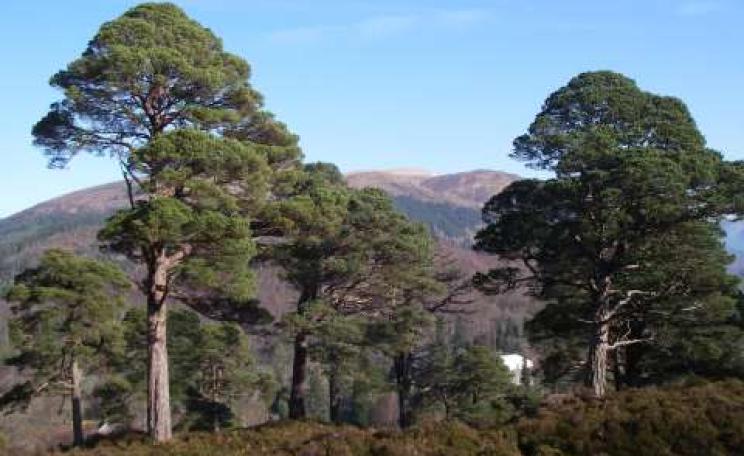
A unique community purchase of Forestry Commission land in the Highlands will see native Caledonian pinewoods re-established over 1086 hectares of commercial conifer woods planted in the 1970s, complete with relict ancient pines.
Humanity has always lived under the threat of extinction, writes Anders Sandberg. Now we have reduced some of the dangers - but created new ones of our own. And right now, it's the anthropogenic threats that look the scariest ...
The New Sylva is a worthy successor to John Evelyn's original of 1644, writes Colin Tudge, with superb line drawings and a text that looks more to the future of Britain's trees, than their past. A book for ladies, gentlemen, 'meer woodsmen' and 'ordinary rusticks' alike.
In the industrial era, economic growth has become equated with human progress, writes Jules Pretty, with a fundamental assumption that material growth and consumption inevitably leads to improvements in our well-being. Now think again ...
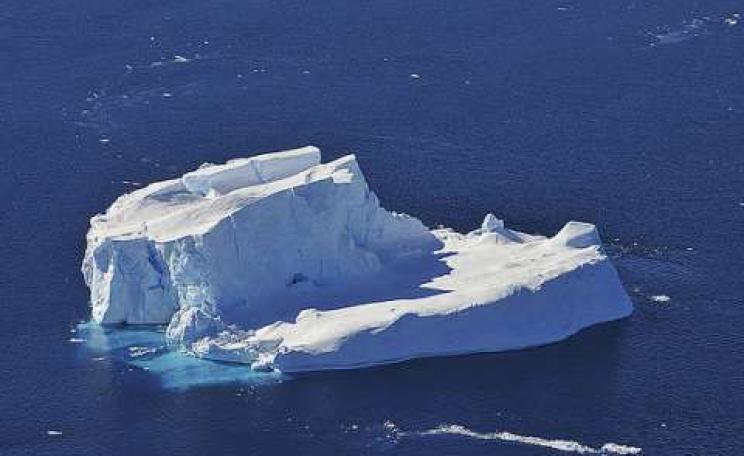
Scientists know that if Antarctica's ice sheets and glaciers collapse, sea levels could rise 5 metres. But the idea that it will take 200 years to happen is based on a linear model, writes Dady Cherry. In fact, the process is exponential - and could take place 'within decades'.
Our economies and our jobs depend on mass consumption, argues Oliver Williams. If we all consume less to save the planet, the economy will tank and millions will lose their jobs. The answer is not frugality, but reductions in population.
Under its minority Green administration, Brighton & Hove is an exemplar of progressive politics that is realising huge social, economic and environmental gains, writes Rob Shepherd. Maybe that's why political opponents are so desperate to brand it a failure ...
Former Shell oil boss Mark Moody Stuart's ableptic, self-satisfied book on 'responsible leadership' left Danny Chivers seething. The sooner we stop caring about the opinions of the Moody-Stuarts of this world, he concludes, the sooner we're likely to improve it.
Children are an indicator species for the health of our communities, writes Melissa Henry - and they are being forced off our streets by traffic. This adds further to traffic and pollution as children are driven everywhere, depriving them of exercise. It's time to break the vicious circle!
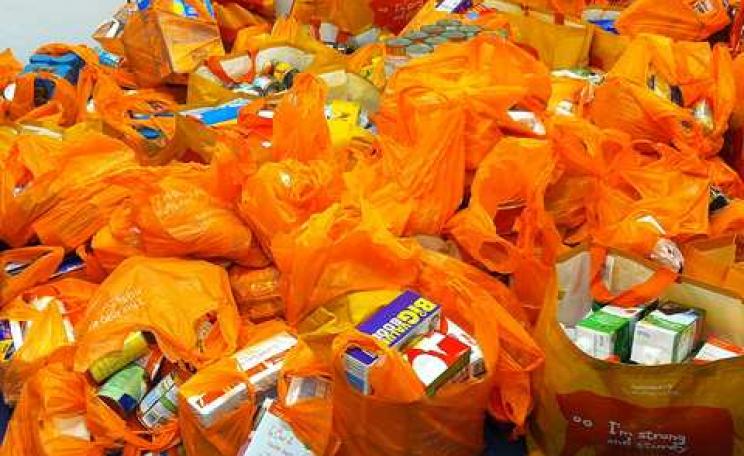
The growth of food banks reflects a simple truth: the government does not care about hungry families, writes Rupert Read. To tackle hunger, work must pay a living wage, social security must do its job, and communities must rebuild local food networks.
Well-being is not just a luxury for good economic times, writes Christine Berry. Reducing poverty and promoting equality are more important economic goals than the pursuit of endless growth.
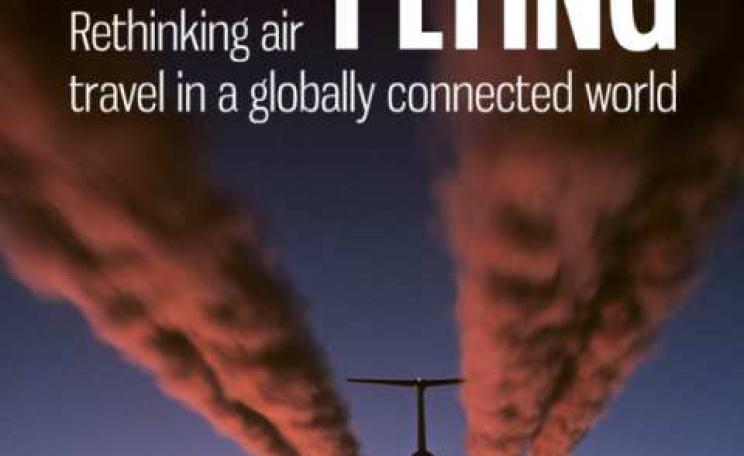
For today's tourists and travellers the elephant in the room is the jumbo jet which whisks us to our destinations - but pollutes the air, promotes destructive development, and isolates us from the the real world. Rose Bridger reviews 'Beyond Flying'.
Australia's poorer communities, with lower employment and education levels, and those with a high proportion of Indigenous people, are significantly more likely to suffer high levels of toxic air pollution. Children are at particular risk from rising levels of lead.
Had enough of being a 'good environmental liberal' - trying to do the right thing while the world gets ever worse? Adam H argues for a Deep Green Resistance that attacks the power structures that perpetrate environmental destruction.
Green growth is a myth, writes André Reichel, because it ignores the social, political and personal dimensions of sustainability. Instead we must plan for economic 'de-growth' - and go for growth only in the areas that really matter, like culture, learning and joy.
The issues surrounding powerful new technologies from GMOs to nuclear power appear disparate, writes David King - but look harder and most are linked by common threads. Key among them are issues of profit, control and socialisation of cost ...
Police violence has been a running theme in the anti-fracking protests at Barton Moss. Individual officers are acting with impunity. Is this a deliberate strategy to disrupt the protests on behalf of vested interests? David Cullen investigates ...