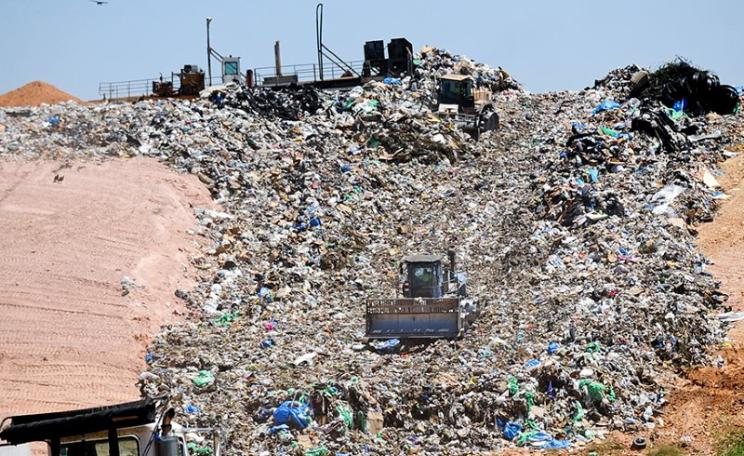
Official recycling rates in Russia stand at close to zero, writes Minna Halme. But my study of the potential to develop the sector uncovered widespread informal recycling networks, lurking in basements, stigmatised for supposed links to organised crime, barely tolerated by the authorities. And any ideas of legitimising the shadowy recycling operations are met with frosty official silence.
Erdogan's horrific 'war on terror' in the Kurdish cities of Eastern Turkey may have a silver lining, writes Defne Kadıoğlu Polat - at least for property developers and ruling party insiders. Plans are already under way for 'urban renewal' projects that will see the valuable real estate cleansed of buildings and people by the war developed into luxury apartments and shopping malls.
Why is BP sponsoring the Science Museum's 'Late' event? It's all part of creating 'scientific consent' for fossil fuels, writes Drew Pearce, in the face of scientific certainty about climate change and the need for drastic cuts in carbon emissions. That's why we gatecrashed their latest show last week.
The wave of mechanization and automation that began with the Industrial revolution is not slowing down, writes Conor Lynch. Indeed it is gaining power and is driving another 'great transformation' that could produce untold opulence for the very few, and hellhole for rest of us, or an Earthly paradise for all. But which will it be? Ultimately the future is ours - to choose, and to fight for.
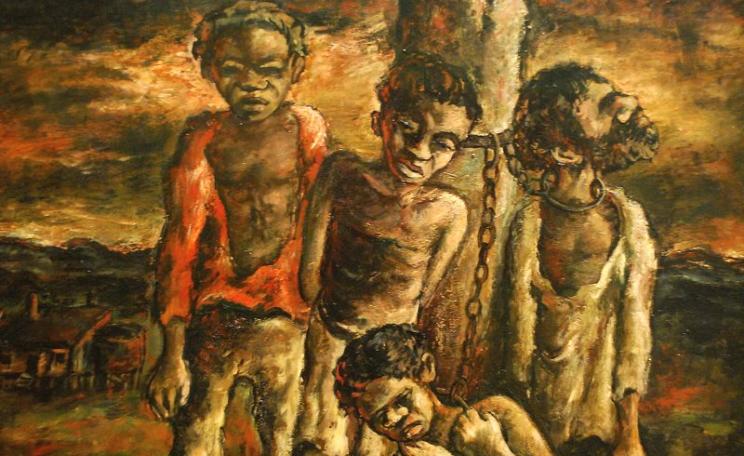
For most Australians, 26th January is a day of family celebration, writes John Pilger. But for its indigenous peoples the only thing to celebrate is their survival after over two centuries of rape, murder, theft and vicious racism that continues to this day, and has even found new expression in Australia's war on refugees, incarcerated in barbaric Pacific Island concentration camps.
Demolishing 'sink' council estates is no way to solve social problems, writes Loretta Lees. All it does is force low income communities out of affordable housing, and open valuable urban sites up for profitable redevelopment. But then, maybe that's the point?
Inequality is on the agenda at the World Economic Forum in Davos this year, write David Sogge & Nick Buxton. A good thing, right? But look at the proposed 'solutions': ramp up the neoliberal 'development' model; lighten business regulation; pursue globalisation with greater vigor ... Yes, you got it. They would all accelerate the transfer the world's wealth upwards to corporate elites.
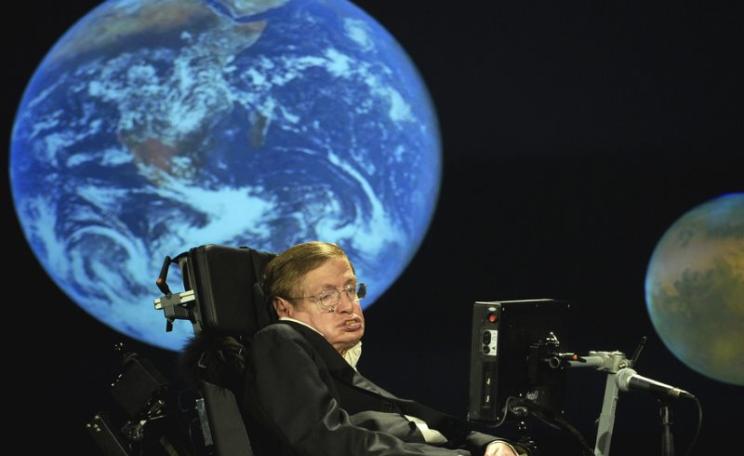
The just as policemen keep on getting younger, epochs keep on getting shorter, writes James Scourse. The Cretaceous endured for 80 million years, but our latest invention, the 'Anthropocene', will be lucky to last out the century. And humanity's vain preoccupation with the idea may, ironically, only bring forward its termination.
The greatest myth of the consumer society is that modern lifestyles are 'normal' - and this can continue forever because we're clever little apes who can solve any problem, writes Paul Mobbs. That hubris, in the face of insurmountable ecological limits, will be our collective downfall.
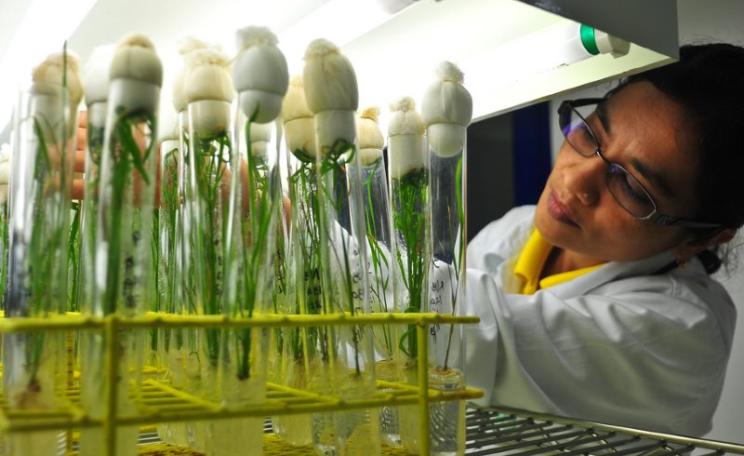
GMO promoters enthuse about how GM crops will be able to help the poor and hungry, far in the future, writes Claire Robinson. But they are silent about the currently-planted GM crops - 99% of them herbicide-tolerant or insecticidal. Could it be because opponents of the technology are being proved right at every turn?
With COP21 out of the way there is absolutely no time to lose, Greenpeace director Kumi Naidoo told Pavlos Georgiadis: 'Because by tomorrow, there might be no tomorrow.' We need substantial, structural, systemic change - and this change can only be led by the youth, who are not infected by the political pollution of the past. And whose future is it anyway?
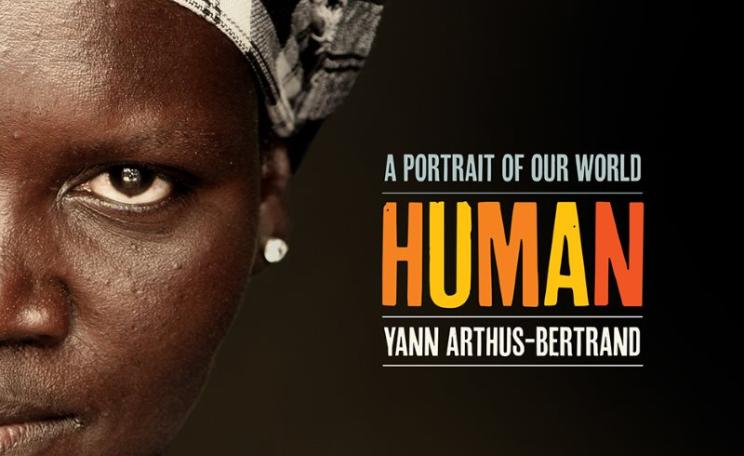
Yann Arthus-Bertrand's latest book, 'Human', revisits the territory of 'Earth from Above', but with a harder edge, writes Martin Spray. Yes, the photographs are lovely, even inspirational, but often mix uneasily with the testimonies of suffering and desperate demands for change they illustrate.
Earthship Brighton, an award-winning off-grid community centre set in an organic farm within the South Downs National Park, has hosted hundreds of events and inspired tens of thousands of visitors over the last decade, writes Phil Moore, demonstrating green technologies and energy-efficient living. But now it's in need of a refit.
Black Friday is yet another manifestation of a consumer culture that is both empty and destructive, writes Vicki Hird. So instead let's join in creative celebrations of Buy Nothing Day ('no purchase necessary'), and develop a new life-enhancing ethic of joyful frugality.
Amid the human suffering caused by terror attacks, it's easy to forget the economic dimensions, writes Paul Mobbs. But after the 13th November attacks in Paris defence industry shares soared, while a host of connected think tanks, lobbyists and politicians dominated the media in pushing for military responses. Is it time to expose and confront the terror industrial complex?
An energy revolution that would take the world to 100% renewables in 15 years is possible, write Sam Cossar-Gilbert and Dipti Bhatnagar. We have the technology, and we even have the money - only it's currently being spent to subsidise fossil fuels. The time has come to tackle two hugely destructive and closely entwined crises - growing inequality and climate change.
The two major demonstrations planned by climate campaigners at COP21 in Paris have been banned by police for security reasons. But organisers insist that over 2,000 events are still going ahead - and call for solidarity marches and protests around the world.
Remarks by Bernie Sanders that climate change is a major driver of global instability and terror, he was mocked by Republican Presidential contenders. But the argument is a familiar one to the CIA and the Department of Defense, which has itself released strong warnings on the issue. Is it time the GOP got with the beat?
Surprise changes to the Finance Bill in its third reading have withdrawn tax benefits for investors in community renewable energy projects, writes Georgina Matthews. While some societies are rushing to complete their fund-raising by the end of the month, others have been forced to close. If these measures are not withdrawn, a small but flourishing sector will be at risk.
Landfill sites, giant hog farms, incinerators and other 'bad neighbor' industries in the US tend to be situated in African American communities, writes Heather Kathryn Ross. The Environmental Protection Agency is legally obliged to prevent 'environmental racism', but from California to Michigan, low-income communities of color have been waiting years for it to take a stand. Now, backed by Earthjustice, they are forcing the issue - in the courts.
The idea of a 'good, or even great, Anthropocene' as promised in the Ecomodernist Manifesto is purely delusional, writes Derrick Jensen. Worse, it underlies a narrative in which the wholesale destruction of nature and of sustainable indigenous societies is repackaged as a noble mission - one whose ultimate purpose is the complete alienation of humans from the planet that spawned us.
Corporations can be incredibly innovative, writes Paul Levy. But it's not always in good ways. Think of VW's clever device for fooling emissions tests, social media software that's way too intrusive for its own good, or sugary drinks marketed as 'healthy' when they're no such thing. Sadly, there's a lot of it about!
Fuel poverty is a complex problem with many causes, writes Mari Martiskainen, but it is also a deadly one for some 25,000 thousand people every year. And there is one surprisingly simple solution: a huge upgrade in the energy efficiency of our housing stock.
Rewilding landscapes impoverished by human exploitation enriches nature and brings back life to an increasingly ravaged world, writes Jessica Rothwell. But more than that, it's a vital step in making human existence sustainable in the long term, depending as we do on our planet's functional ecosystems for our health and survival. It's time for people to pull back - and make space for the wild.