Chemical giant Bayer has failed in its attempt to sue Friends of the Earth Germany over its claims that its pesticide Thiacloprid harms bees. Now pressure is growing on the EU to add the neonicotinoid to the three already banned.
As scientific evidence grows of the many ways in which glyphosate - pipe-cleaner, herbicide and antibiotic - damages the environment and health, governments and regulators turn a blind eye, writes Dr Eva Sirinathsinghji, and the EU has even raised allowable residue levels. It's time for us all to put bans in place wherever we can!
America's shale gas boom threatens families, pets, and food, writes Allison Wilson. Fresh from her reading of 'The Real Costs of Fracking', she finds a host of adverse health impacts on those living near fracking sites, the toxic pollution of the food chain, and a wall of corporate and official secrecy.
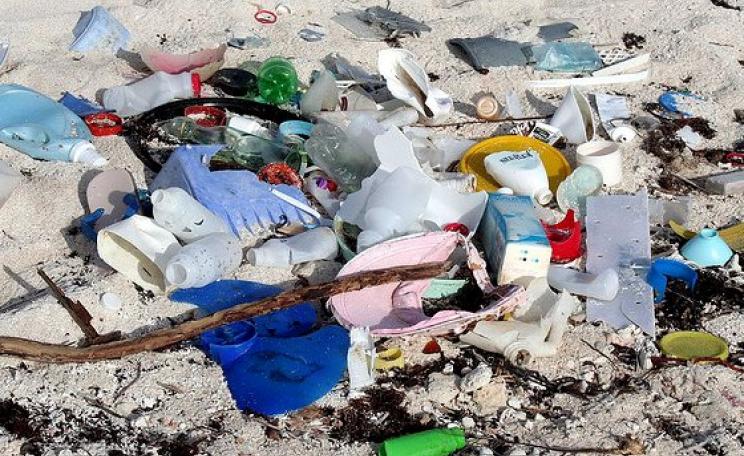
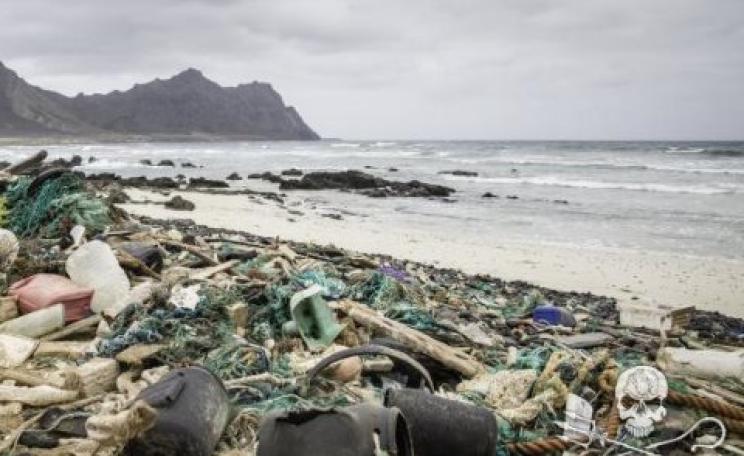
On current trends the world will contain 33 billion tonnes of plastic by 20150, writes Mae Wan Ho, and much of it will litter the oceans, concentrating toxins and damaging marine life throughout the food chain. The alternative is to classify the most toxic plastics as 'hazardous waste', and for all plastics to be reused and recycled in 'closed loop' systems.
For 16 years the Thai government has ignored the plight of a community where toxic lead mine waste is causing severe chronic poisoning - defying both a 2013 court order, and its international obligations. It's just one of many toxic sites across Thailand that need to be cleaned up - but the government's main concern is to encourage further industrialisation.
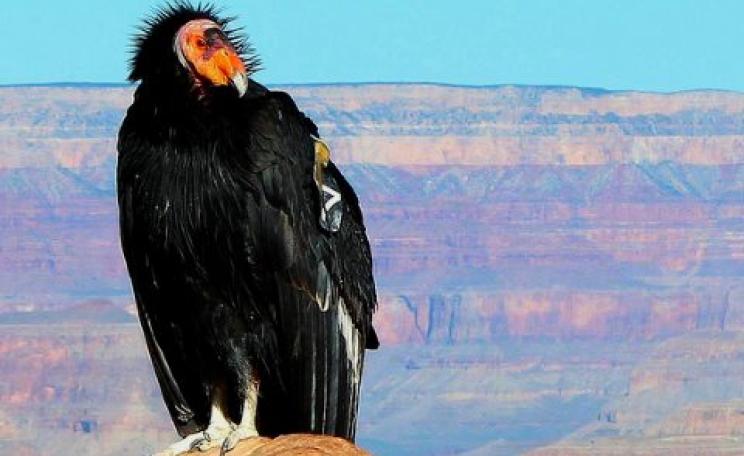
The recent death of Ventana the condor in Los Angeles zoo illustrates a simple truth, writes Dawn Starin: wild condors cannot survive so long as the dead amimals they eat are riddled with lead from spent ammunition. With lead poisoning to blame for 60% of condor deaths, it's time to ban lead ammunition across their entire range - and beyond.
A fierce dispute is raging over whether glyphosate, the world's biggest weedkiller, causes cancer, writes Arthur Neslen. The row has pitched EFSA, the EU's food regulator, against 96 of the world's top medical scientists - and comes shortly before the EU is to decide on renewing glyphosate's licence.
Dangerous volumes of neonicotinoid insecticides and other pesticides are expressed in common wild flowers like buttercups and hawthorn blossom in countryside under arable cultivation, a new study has discovered. The discovery invalidates the UK government's 'pollinator strategy' based on creating 'safe havens' in arable areas - because the havens are in fact loaded with pesticides.
As Cameron 'cuts the green crap' Paul Mobbs remembers how the decisions of a Conservative government 20 years ago to go easy on the owners of contaminated land and old waste dumps have led to present day blight, ill-health and death. Now brow-beaten regulators and politicians in hock to party funders are doing it all over again.
The oceans are awash with plastic, write Magnus Johnson & Melanie Coull, with dire effects on marine wildlife mistaking it for food. But it's not just big animals like basking sharks, turtles and albatrosses that suffer. The very worst damage may be caused by particles too small for the eye to see, and the toxic chemicals that cling to them.
East Liverpool, a small city by the Ohio river, is a cancer-ridden dumping ground for the detritus of the global economy, writes Caitlin Johnson. With its filthy power station, coal ash lake, 1,300 fracking wells, silica sand mountains and a huge toxic waste incinerator, the city's people need your help in their fight for environmental justice.
After an apparent cave-in to Europe's pesticide industry, the European Food Safety Authority's latest guidance on pesticides conflicts with European law, writes Georgina Downs - by ignoring the real-life agrochemical exposure of rural residents. Commission President Juncker must step in and demand the withdrawal of this disgraceful document.
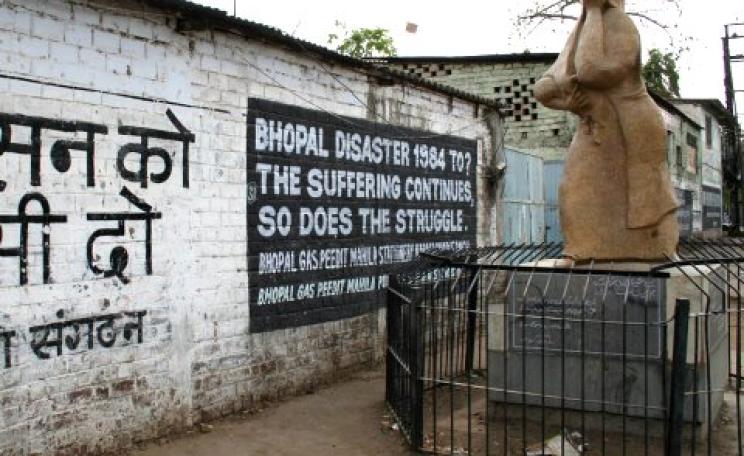
Thirty years ago today, Union Carbide's pesticide factory in Bhopal, India, released toxic gases that killed 3,787 people and injured over half a million, writes Vijay Prashad. The site is still contaminated, victims remain uncompensated, and the area suffers from a high rate of serious birth defects. Yet UC's CEO evaded justice, to die in a Florida nursing home this year at the age of 92.
Farming today is well on the way to becoming a wholly owned subsidiary of the agro-chemical-biotech industry, writes Colin Tudge. Defra and the European Commission are all too keen to make it so, reflecting the interests of an agro-oligarchy obsessed with profits and growth at all costs. But there is an alternative. Join the 'real farming' agrarian renaissance ...
Dow's teratogenic pesticide chlorpyrifos is a human and environmental disaster, writes Janette D. Sherman. It causes serious, irreversible damage to the human foetus even at low concentrations that may be harmless to the mother, resulting in severely and permanently disabled and mentally damaged children. But it's still sprayed in vast quantities on America's farms.
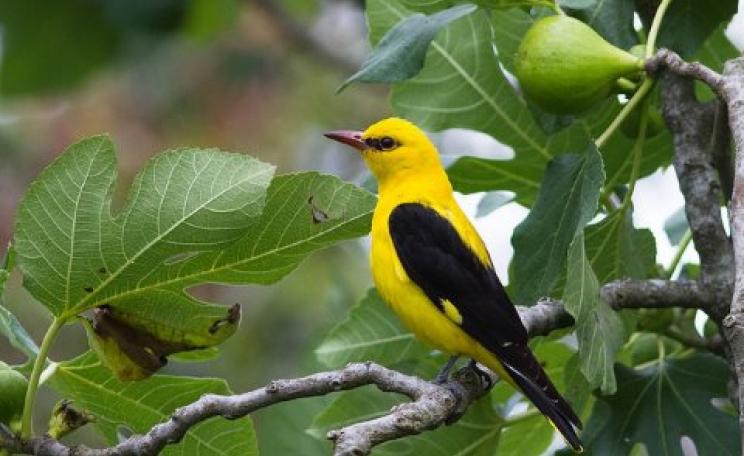
Two new international agreements will help to save migratory birds from hunting, trapping and poisoning, and to protect their long-distance flyways. A key objective is to phase out lead shot within three years, and eliminate the toxic drug diclofenac.
Only four countries opposed a UN Resolution on 'depleted uranium' munitions: the USA, UK, France and Israel, all nuclear WMD states whose use of DU leaves battle fields contaminated with toxic, radioactive residues for millennia into the future. The overwhelming support for the Resolution puts the WMD states on notice - DU munitions are no longer acceptable.
Rice can often contain high levels of arsenic, writes Andy Meharg. But while levels of this highly toxic element are tightly regulated in water, the EU has set no limits for arsenic in food. This needs to change, fast - and until it does, be careful not to feed too much rice to babies and small children ...
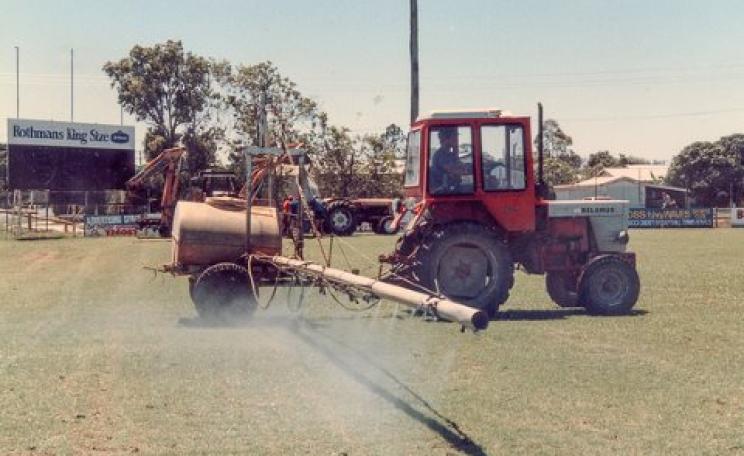
The Government's 'National Pollinator Strategy' has a fatal flaw, writes Georgina Downs - it contains no meaningful measures to address farmers' spraying of highly toxic pesticides, often in mixtures that can further increase the harm they cause. And with 80% of the UK's pesticides used in agriculture, that's setting the 'strategy' up to fail.
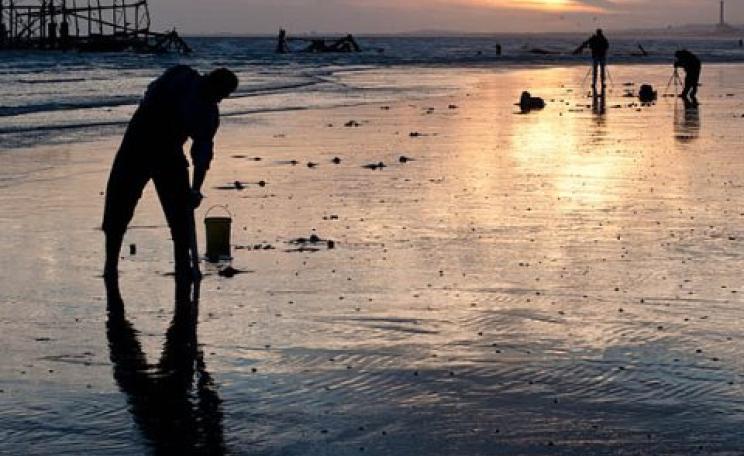
A common marine worm key to the richness of many coastal ecosystems is being damaged by the increasing ocean acidification that was thought to imperil mainly shellfish and coral, writes Alex Kirby. It's an unwelcome sign of more unexpected ecological changes to come.
The US EPA has approved new GMO corn and soybean varieties resistant to both glyphosate and 2,4-D, writes Jim Goodman - and the highly toxic herbicide mix itself. In this latest escalation of the chemical war against nature there is one clear winner - Dow AgroSciences. But everyone else loses - farmers, consumers and our increasingly endangered wildlife.
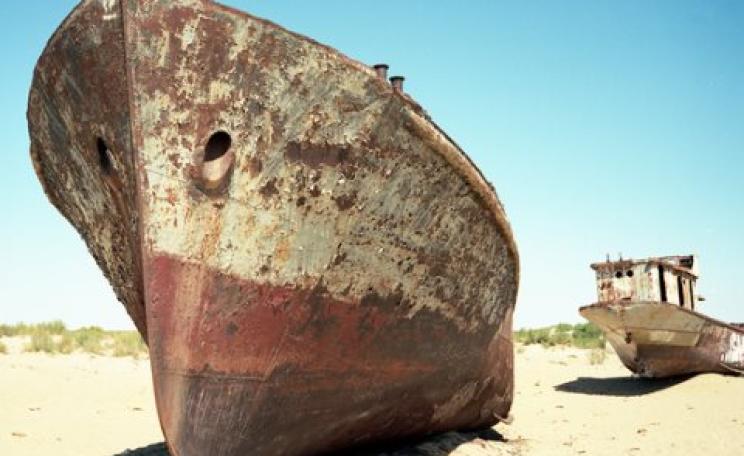
The Aral Sea is a well known environmental disaster zone. But this year, it got a whole worse, writes Anson Mackay, as its biggest basin dried up completely to expose a toxic, salty wasteland. With continuing irrigation and declining river flows due to climate change, the desert is only set to expand.
Oil majors are gearing up to exploit Arctic oil, writes Mike G. But they don't want to carry the costs of all the safety equipment the US Government is demanding to protect the fragile Arctic environment from spills. And they're reluctant to give up the use of toxic chemical dispersants.
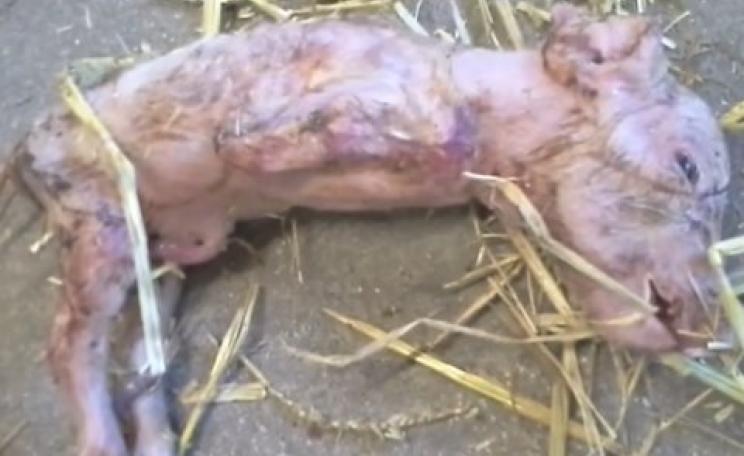
From the day that Danish pig farmer Ib Borup Pederson switched away from GM soy, his animals became healthier and more productive. Birth deformities reduced, sows became more fertile, medicine costs fell, and profits went up. The changes were linked to the reduction in the levels of the herbicide glyphosate in their feed.