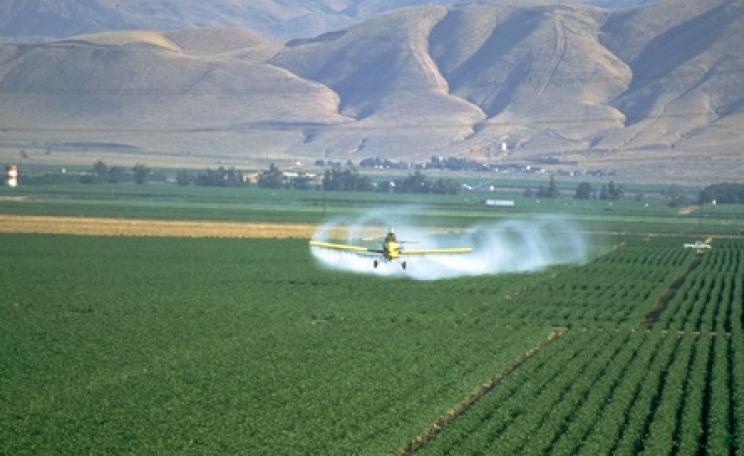
The widely used herbicide glyphosate has been judged 'safe', write Pete Farrer & Marianne Falck. But by the time it's used, it's in a 'formulation' with toxic surfactants, which escape EU regulation despite their known dangers. Germany alone has forbidden the use of the most dangerous surfactant - but is keeping its evidence secret.
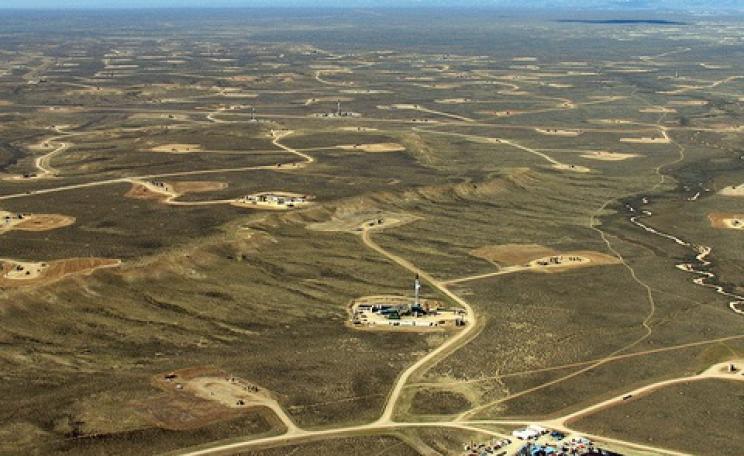
Scientists in the US have established that chemicals used in fracking to extract gas and oil could represent health and environmental hazards, writes Tim Radford. Among the greatest hazards: biocides and corrosion inhibitors.
When the US's biggest ever coal ash spill buried 300 acres of waterfront property in a white, middle class suburb, the waste was treated as a toxic hazard. But by the time it reached Uniontown, a black community in Alabama, that was all forgotten. Now they are fighting back.
An invisible cloud of man-made chemical toxins is sweeping the globe, writes Tony McMichael - disrupting ecosystems, damaging human health and shortening our lives. Our response so far has been utterly inadequate, as Julian Cribb reveals in his new book. But there are solutions - and it's up to us to get them implemented.
The US is poised to 'deregulate' GMO corn, soybean and cotton varieties resistant to the herbicides 2,4-D and dicamba. The result will be a big increase in the use of those herbicides, as high as 600%. Only a huge public outcry can now stop the GMO-herbicide juggernaut.
As the warring parties fight for control for Donetsk, the country's biggest chemical plant has come under fire, with missiles landing close to pipelines and storage tanks. If released, toxic nitrochlorobenzene could cause widespread death.
Attempts to recycle E-waste and donations of old electronic devices are harming poor people's health and devastating the environment, writes Nele Goutier. Agbogbloshie, once an idyllic landscape of wetlands and small farms, is now the most toxic place in the world ...
Plans to crack down on endocrine disruptors and illegal timber were buried by the outgoing President of the European Commission, José Manuel Barroso and his secretary-general Catherine Day - while undermining action on climate, renewables and energy efficiency.
Plastic pollution in the oceans is impacting every level of marine life, writes Kate Rawles, from micro-plankton to whales. And here is your chance to do something about it - join a research expedition to the Azores next month to study the problem and develop solutions!
Among the risks of fracking are fragmentation of wildlife habitats, groundwater depletion, surface water pollution. The risks are compounded by a failure among companies and regulators to record or disclose essential information - from the chemicals used, to the time and place of toxic spills.
Pesticide companies are responsible for assessing the safety of their products, writes Christopher N Connolly - and this situation cannot continue. The research should be carried out independently, subjected to peer review, and published.
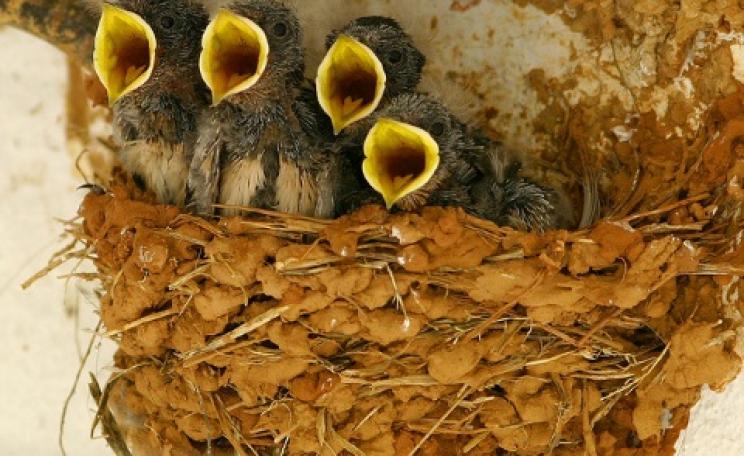
A study published today in Nature shows a strong correlation between concentrations of a popular neonicotinoid pesticide in water, and bird declines, writes Helen Thompson. Regulators are under pressure to tighten up, but the industry still claims there's 'no substantiated evidence'.
The devastating human impact of Syria's civil war may persist for decades to come as heavy metals and carcinogens in munitions end up in the environment, along with chemicals from destroyed industrial plants and stores. A long-term public health crisis is in the making.
The National Rifle Association has demanded that The Ecologist retract important elements of a story we ran about the threat to condors from ingesting spent lead ammunition, and the NRA's opposition to a lead ban. We publish our response.
Ample peer-reviewed science says that the number one threat to condor survival is lead poisoning from eating bullets and pellets in carcasses, reports Dawn Starin. But the powerful NRA is fighting hard against bans on lead ammunition.
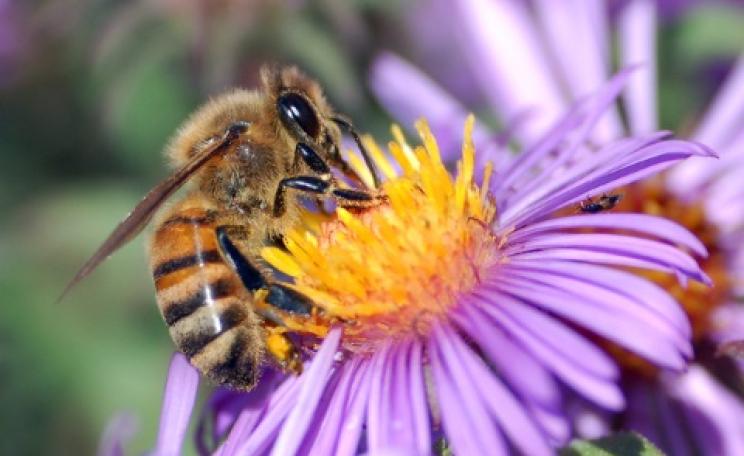
Blaming 'lack of time', Syngenta withdraws its emergency application to use a seed treatment blamed for killing bees. Friends of the Earth and 38 Degrees claim victory - but Syngenta warns: we'll be back!
Thirty-five distinguished scientists urge the US-EPA not to register new mixtures of the herbicides 2,4-D and glyphosate, intended for use on herbicide-tolerant GMO crops. Approval of the herbicide mixtures would endanger both human and environmental health.
The widespread use of neonicotinoid insecticides is causing a neurotoxic overload afflicting entire farm ecosystems from earthworms to bees, other pollinators and birds, writes Damian Carrington. A collapse in food production may inevitably follow.
Flame retardant chemicals lower children's IQs, disrupt hormone function and cause a host of other health problems, writes Pat Thomas. Yet they are ubiquitous in homes and offices, even in bedding and accessories for babies and young children.
Tyrone Hayes has fought a 15-year battle with Syngenta following his discovery that its herbicide Atrazine scrambles sex in frogs, writes F William Engdahl. Now he wants to know - is Atrazine the cause of the US's 2-fold reproductive cancer excess among Blacks and Hispanics?
A huge turnout was recorded for the 2014 March Against Monsanto, with protests in over 400 cities in 52 countries and 47 US states. Dr Mae Wan Ho says this worldwide movement will keep on growing, until Monsanto and its toxic products are defeated.
Hormone-disrupting pollutants in the urban rivers of South Wales are having adverse effects on the health and development of wild birds such as dippers, writes Steve Ormerod. Could this humble bird be the 'new canary' for environmental toxins?
The US looks set to approve GM crops that resist the 'Agent Orange' pesticide 2,4-D as well as glyphosate, writes Helena Paul. If it does, the toxic chemical - created in WW2 to destroy enemy food supplies - will soon end up in animal feeds, and the food we eat.
Extensive, long running evidence for the cancer-causing effects of glyphosate, and other toxic impacts, have been ignored by regulators. Indeed as the evidence has built up, permitted levels in food have been hugely increased, writes Dr Mae Wan Ho.