The movement to mitigate against climate change must ensure that nobody is left behind.
It’s harder than ever to understand and participate in the various processes which make up the 26th Conference of Parties (COP26) this year in Glasgow.
Vaccine inequalities, travel difficulties and challenges in gaining access have made it impossible for the people who need to be heard to fully participate.
Participatory justice is a key component of climate and environmental justice, and the COP26 processes are falling short.
Civil
As world leaders continue to push commitments further into the future, those who are already feeling the direct consequences of climate change are getting increasingly frustrated.
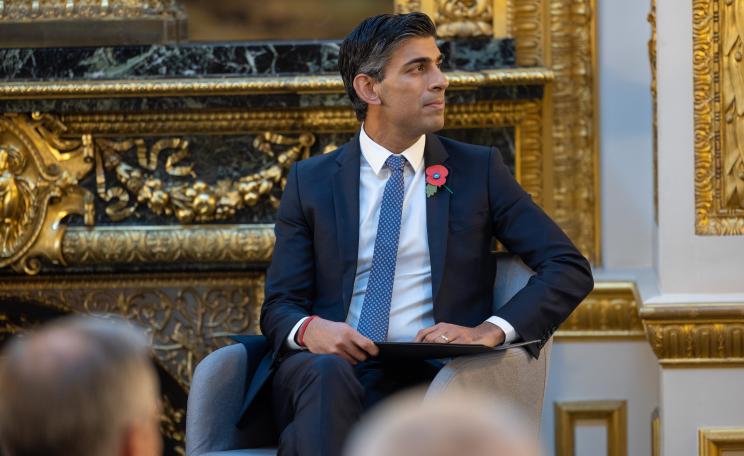
Txai Suruí, a 24 year old indigenous activist from Brazil, opened the World Leader’s Summit with a call for urgent action: “It's not 2030 or 2050, it’s now”.
It’s crucial that as young people we engage in the processes which will shape the society we grow up in, whether that’s through direct action, contributing to environmental governance, or engaging in civil society. But without access to academic materials, time, and resources, learning about these processes is daunting.
As students in Edinburgh, with COP26 being hosted in our country, we realised the need for young people to have access to a resource on COP26, and global environmental governance more widely.
Conference
So, we created a free, accessible Young People’s Guide to COP26 with the aim of improving understanding of COP26, demystifying complex parts of climate change policy and empowering our audience to engage with governance and policy at a local and national scale.
The guide covers topics ranging from climate justice and young people to climate finance and business. It’s a collaborative educational resource, drawing on our own research whilst also featuring leading academics and experts in the field with any insights they may be able to share.
The movement to mitigate against climate change must ensure that nobody is left behind.
We worked closely with academics from Edinburgh University, as well as UKRI COP26 fellows and young people involved in climate activism. Our hope is that it will be used by young people to engage with these issues in order to widen and deepen participation in COP itself and climate and ecological justice beyond the conference.
Justice
Three main pillars sit at the heart of climate justice.
Firstly, a recognition that climate change is more likely to adversely affect marginalised communities, both nationally and internationally.
Secondly, the countries, communities and individuals who are likely to be most adversely affected by climate change are least likely to have contributed to the causes of climate change. This includes future generations who will suffer the most while contributing the least.
Finally, the movement to mitigate against climate change must ensure that nobody is left behind.
It is incredibly important that young people from the Global North understand and act according to these fundamental truths if we are to have any chance of tackling the climate and ecological crisis in a just and equitable way.
Action
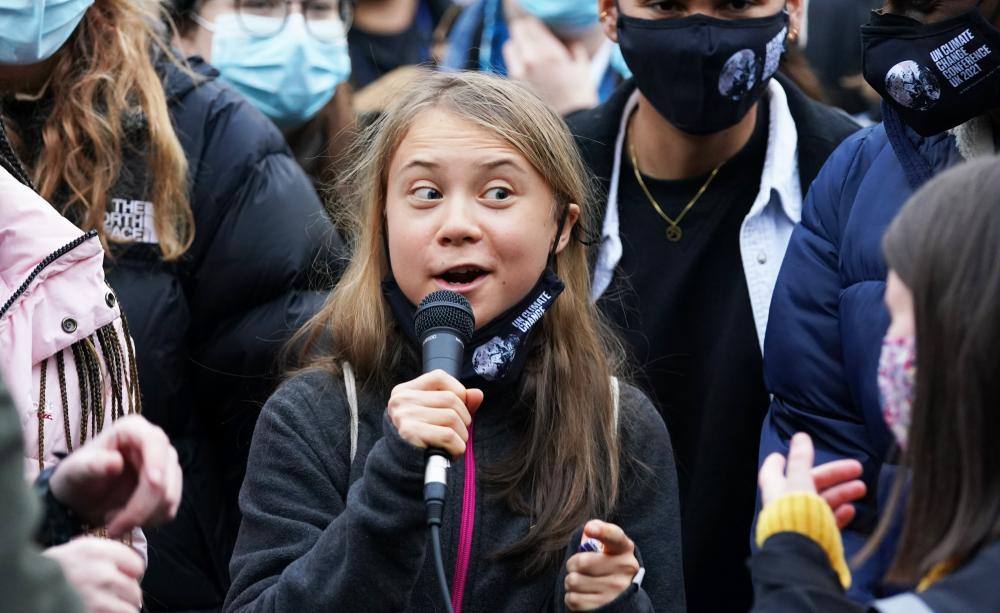
A recent global study found that around 6 in 10 young people are either ‘very’ or ‘extremely’ worried about climate change.
In COP21 at Paris, young people made their voices heard through demonstrations, events and the commitments from non-state actors like the youth constituency, led to be dubbed a “groundswell” of activity, which created the right conditions for the signing of the Paris Agreement.
There is no doubt that young people will be the key to climate justice at COP26: it is time for that groundswell to rise again.
Finance
This is perhaps the most technical aspect of the climate negotiating process, and often one which is put to one side by activists due to the opacity and jargon-filled language used in these spheres.
But climate finance is absolutely crucial to successful multilateral action at COP26, particularly in light of the as-of-yet unfulfilled $100bn/year target set by world leaders at Paris in 2015 to give countries in the Global South the resources to mitigate against and adapt to the climate and ecological crisis.
In terms of business involvement at COP, while finding solutions which are both good for the planet and business can result in more widespread support for climate policies, it is more important than ever to identify and eliminate greenwashing where it occurs.
The lack of an ‘official role’ for fossil fuel firms at the conference is a welcome step in this regard.
Engagement
The guide also includes three further resources to give young people the greatest chance of fully participating in the COP process and climate activism beyond:
This action guide was created by Glasgow University Environmental Sustainability Team (GUEST) and has been designed to facilitate further engagement in environmental and climate action. The guide includes a summary of all of the opportunities for participation available to young people during the conference and beyond, highlighting actions like the People’s Summit for Climate Justice being hosted by the COP26 Coalition and opportunities for online engagement through a list of climate justice-oriented groups and pages to engage with during the conference.
This document provides a general overview of the legal status of the conference: What power does it have? What is its mandate? What are its goals? And so on.
This document provides explanations and clarifications of all of the key concepts and COP ‘jargon’ we’ll all hear a lot of over the coming weeks.
This November, we will be in Glasgow with access to the Blue Zone for Week 1, and participating in events in the Green Zone and the wider city throughout.
We will be providing updates on social media, including reporting live from the Blue Zone and from Green Zone events, so make sure to follow our Instagram and Twitter accounts to keep up to date!
Author
Rona Hardie (she/her) is a part-time MSc student, and works at Tipping Point UK as a Scotland National Organiser and Stop Cambo campaigner.