It seems that while the pigs get gassed, the rest of us get gaslit.
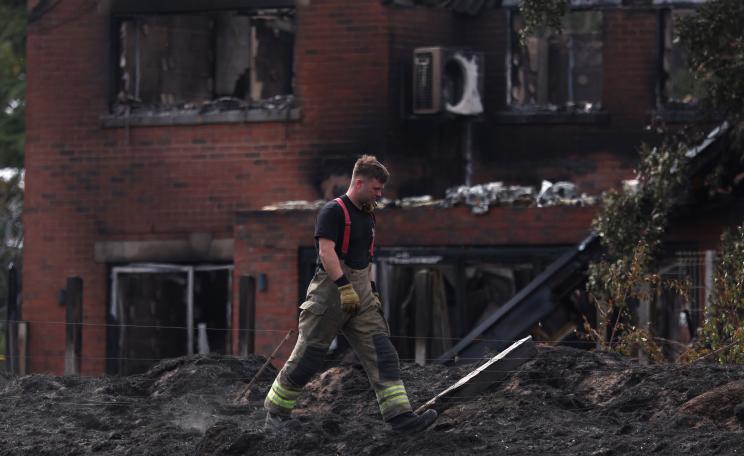
The British Government has reopened a carbon dioxide production plant linked to a widely-criticised method of pig slaughter, resulting in widespread concern.
The plant reopening follows increasing fears of CO₂ shortages linked to the closure of the Strait of Hormuz following the war in Iran.
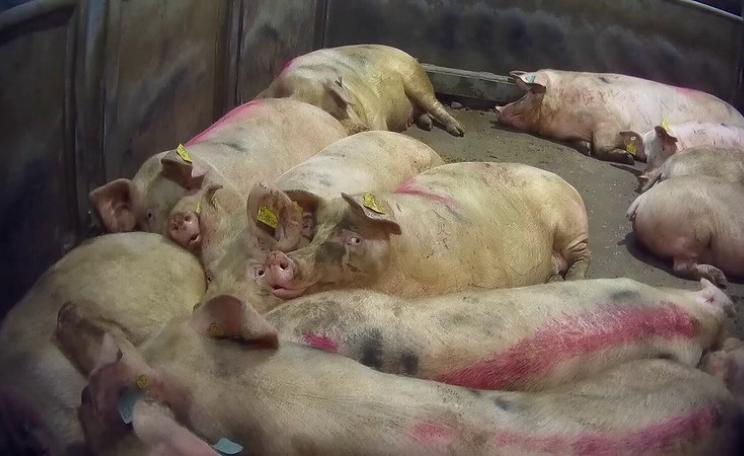
The government has reopened the site to support the food industry's growing need for CO₂ gas. The Animal Welfare Committee has urged ministers to phase out the use of CO₂ slaughter for pigs due to the distress caused to the animals.
Pain
Ayrton Cooper, Animal Justice Project’s campaigns director, said: “In just over a decade we’ve seen a 73 per cent increase in the gassing of pigs in slaughterhouses in the UK.
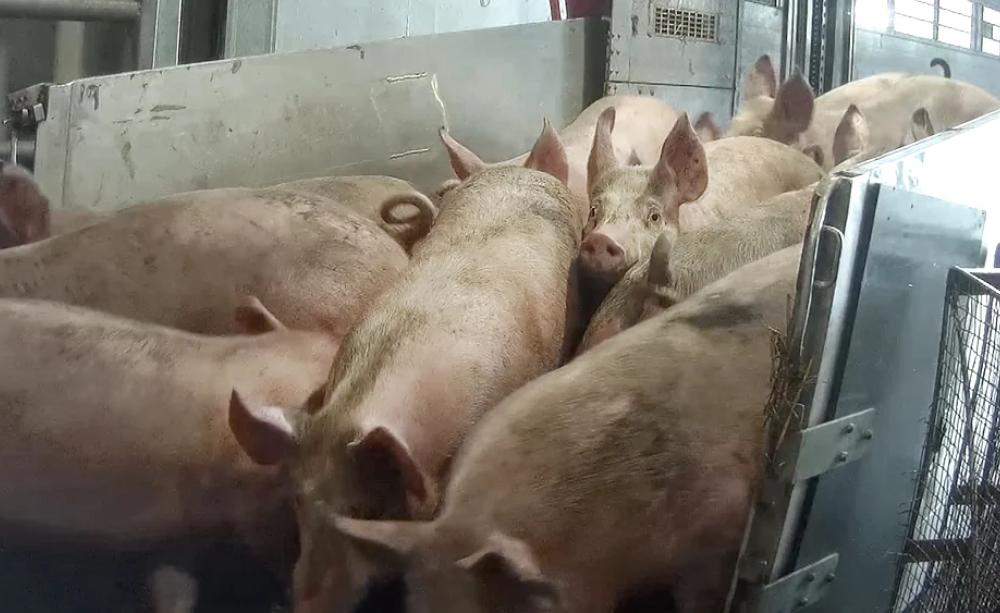
“It is now the method of slaughter for nine out of 10 pigs. Despite clear evidence showing how painful and distressing this method of killing is, the government seems adamant in increasing supply of gases rather than tackling the issue directly and ending the gassing of pigs.”
Despite these recommendations, the government has yet to set out any clear timeline or policy to reduce reliance on this method of slaughter.
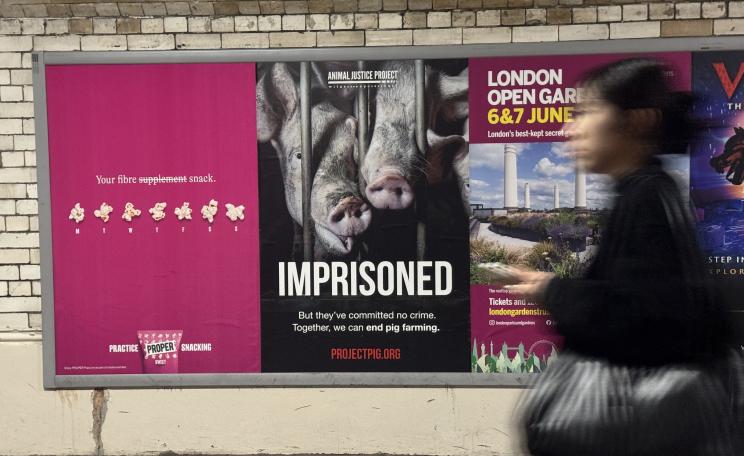
The Redcar plant opening comes as Project Slingshot launched a provocative campaign with advertising on the London Underground aimed at exposing the secretive practice of slaughtering pigs in gas chambers. Diane Morgan, Dr Amir Khan, Jen Brister and other celebrities feature in the adverts.
Naomi Hallum, a cofounder of Project Slingshot, said: “Pigs experience severe pain and distress and die gasping for air. But the industry asks us to believe that they kill pigs in gas chambers because it is humane. We simply don’t buy it.
Dramatic
“This has all the hallmarks of industrial-scale gaslighting. It seems that while the pigs get gassed, the rest of us get gaslit.”
Neil Duncan-Jordan MP supported the campaign. He said: “We've been told for decades that CO2 gas chambers are humane. The pigs screaming inside them tell a different story. I don't buy it. The public doesn't buy it. Westminster shouldn't either. Ban them."
It seems that while the pigs get gassed, the rest of us get gaslit.
The issue is not new: as far back as 2003, the Farm Animal Welfare Council raised concerns about CO₂ slaughter and called for alternatives to be developed.
Data suggests the use of gas as a slaughter method has expanded rapidly over the past decade.
According to reports drawing on surveys by the Food Standards Agency, the proportion of pigs at just six months old killed using CO₂ rose from around 52 per cent in 2013 to approximately 90 per cent today.
Gas is now also used for the vast majority of broiler chickens and turkeys, and almost all spent laying hens. Indeed, the shift has been similarly dramatic: chickens gassed at slaughter increased from 37 per cent in 2011 to 71 per cent in 2013.
Lives
CO₂ is widely used in slaughterhouses due to its affordability, and the fact it requires less handling of animals by workers.
But experts have long raised concerns that exposure to high concentrations of the gas causes animals high levels of distress and sees them gasping and convulsing before losing consciousness.
The Department for Environment, Food and Rural Affairs has previously said it keeps animal welfare practices under review. It has not announced any specific plans to end the gassing of animals in slaughterhouses.
A spokesperson for Animal Justice Project concluded: "The reopening of the Redcar plant highlights a growing tension between clear animal rights violations and the government’s inaction on the issue.
"Despite more than two decades of advice to end the gassing of pigs in slaughterhouses, ministers are making decisions that will only create further disparity between the government’s actions and the improvement of the lives of animals who are farmed in the UK."
This Author
Brendan Montague is an editor of The Ecologist.