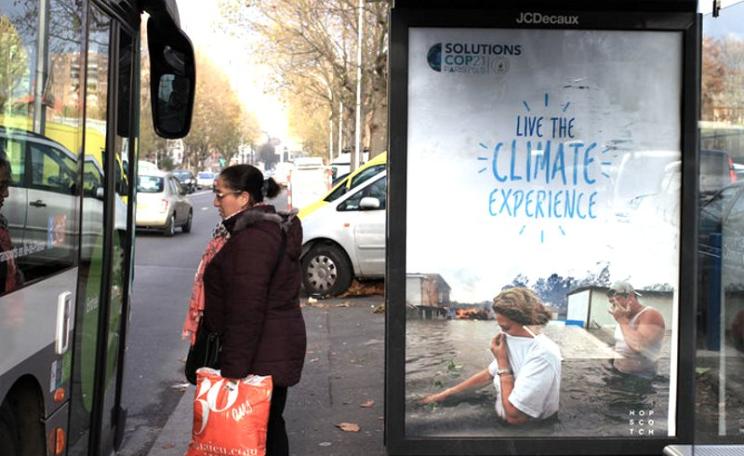
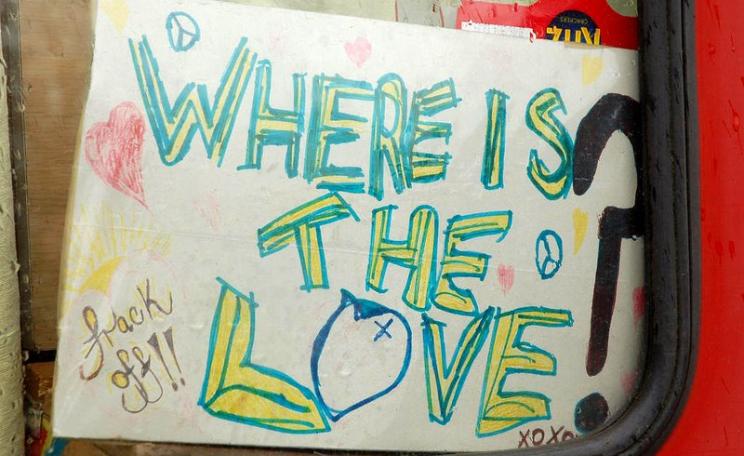
Civil society may have been kept out of the COP21 conference centre, even forbidden to march on the streets, writes Thomas Dekeyser. But climate activists have found an new means of expression: the 'Brandalism' of 600 advertisements in bus shelters across Paris, replacing corporate brand-building with subversive messages on climate and consumerism.
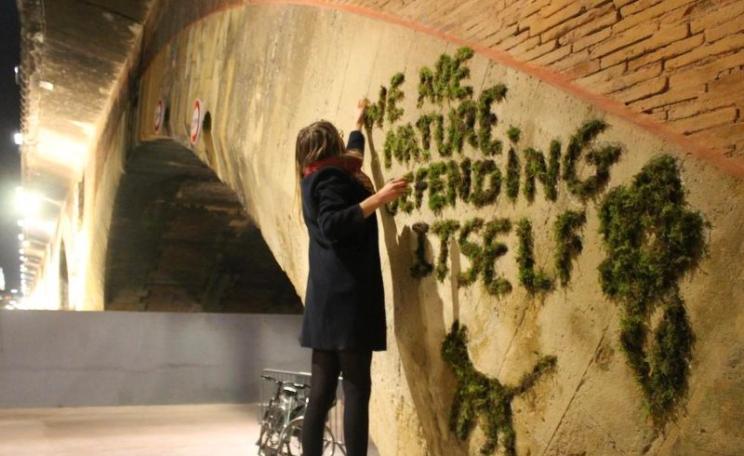
As the Paris climate summit falls under the brutal double cosh of terrorism and a heavy-handed security response targeted at climate campaigners, creative non-violent responses are taking shape to express the collective will of the billions who cannot be there, writes Nadine Bloch: the need for equitable solutions to the climate crisis, as a first step towards a healthy, peaceful, sustainable planet.
There is a sad irony in the security clampdown on the climate 'mobilisations' planned for COP21 in Paris, writes Nick Dearden. Because those affected are the very people who are most commited to building a green, just, peaceful world free of the chaos and disruption that climate change is bringing.
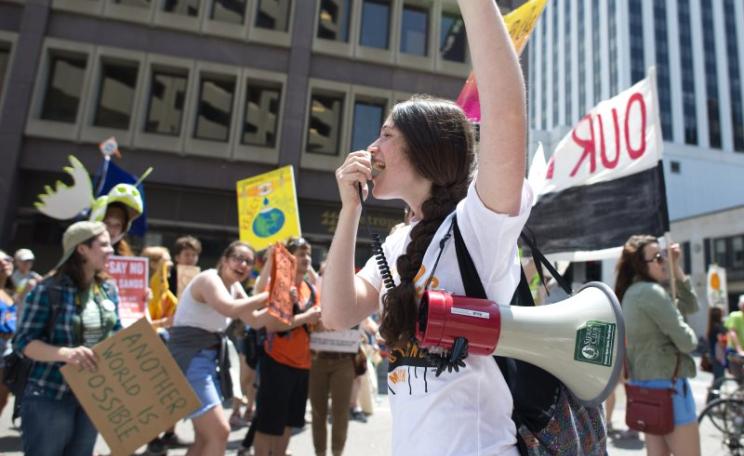
This December, world leaders will meet at COP21 in Paris to negotiate a global agreement on climate change, writes Kara Moses. But the real action and inspiration will be in a host of parallel events, conferences, action and demonstrations attended by tens of thousands of global climate activists. So here's your definitive guide to what will be happening - and how you can join in!
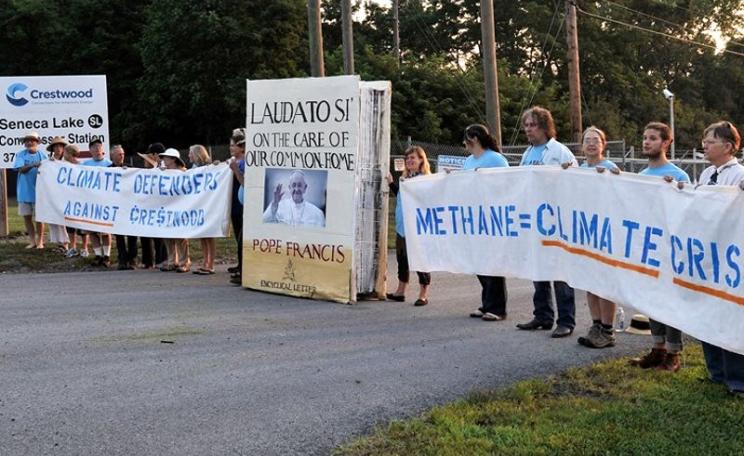
Protests against plans to make an enormous storage site for fracked gas at Seneca Lake in New York state seven times bigger are gathering pace, writes Ashoka Jegroo, with 13 arrests at a gate blockade last week. But is the company, Crestwood, getting the message?
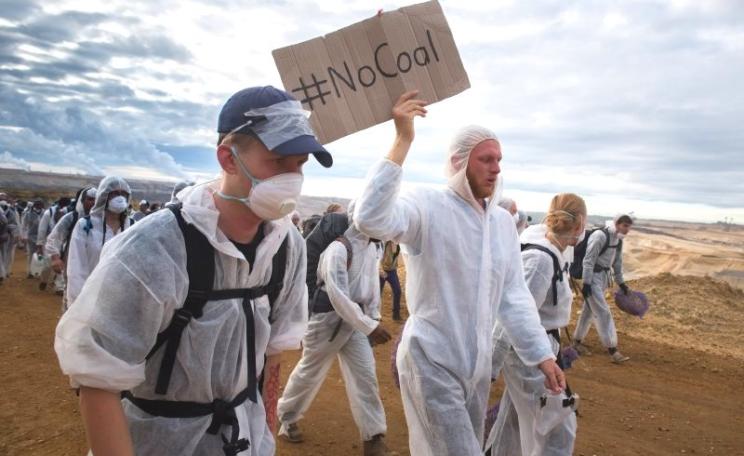
Last weekend Toni Belly was occupying Germany's biggest open cast coal mine in the once lovely Rhineland area, one of thousands of protestors from 350.org and other groups determined to shut the operation down. Nursing his bruises and eyes still sore from pepper spray, he set down his account of an unforgettable day of action.
Next month is the time for green activists to get together in the glorious Peak District, coordinate future actions on everything from fracking to road-building and climate change ... and of course, share the love, writes Indra donFrancesco, Yes, it's the Earth First! summer gathering, and there's never been stronger reasons to go.
The Midwest's largest ever anti-tar sands demonstration took place in Minnesota last weekend, writes David Goodner, cementing a new alliance of diverse communities united in resisting the pollution and destruction of tar sands exploitation, processing and transportation.
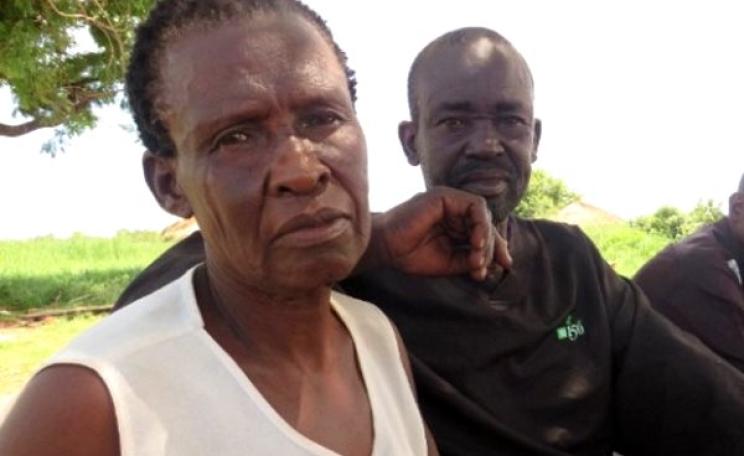
A new tactic of non-violent resistance secured a future for the people of Apaa, Uganda, after a violent government-backed land grab had threatened to turn their village and farmland over to a sports hunting business, writes Phil Wilmot. The unlikely leader was Anek, a respected grandmother of the village, whose naked protest sent both troops and government ministers packing.
The fossil fuel industry and its political backers have been left reeling by an unprecedented series of direct action strikes against targets across the country to protest at continuing investment in and official support for fossil fuels, inaction over fuel poverty and the systematic neglect of renewable energy despite the global climate emergency.
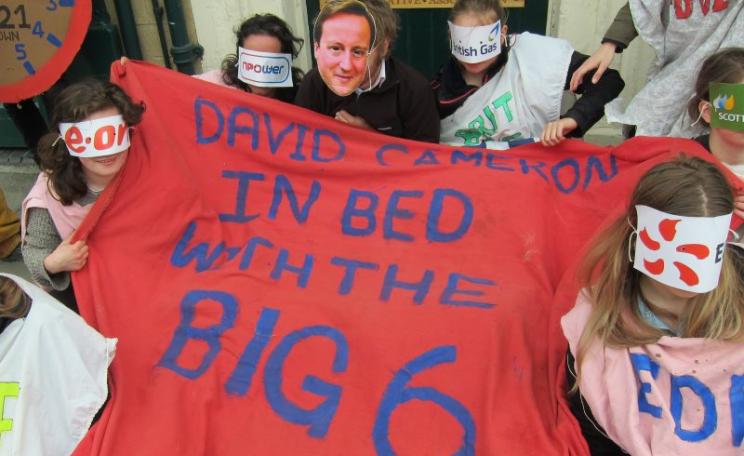
Hundreds of campaigners are gathering at Didcot Power station in Oxfordshire to demand a green energy future - and an end to the Government's relentless push for fossil fuels and nuclear power, writes Diêgo Lôbo. Preparations are under way for a series of actions due to take place tomorrow, Monday 1st June.
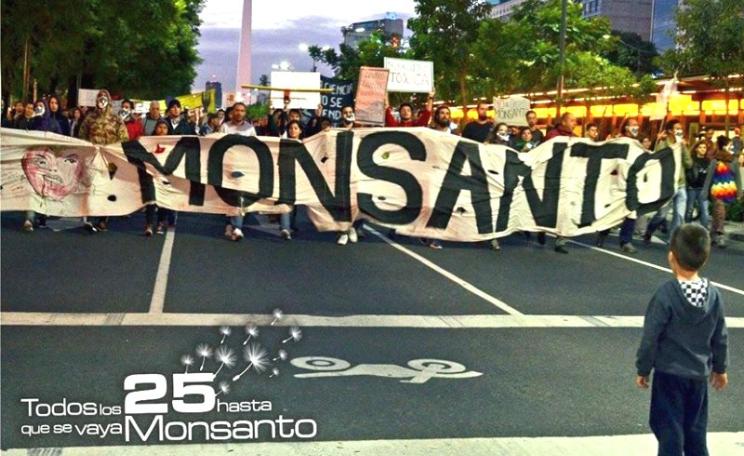
Monsanto has a simple purpose, writes Pete Dolack: to control the world's food supply, monopolizing seeds and agrochemicals to extract profit from every bite of food we eat. Caring nothing for the disease, poverty and destruction that it causes, it has suborned politicians, governments and regulators to its will. But millions are determined to stop it.
Germany's 'Energiewende' has made the country a global renewable energy powerhouse. So why have its carbon emissions gone up? Not because of nuclear closures, writes Melanie Mattauch, but because powerful fossil fuel companies have blocked effective climate action. Now the fight is on as public calls to keep the coal in the ground get too loud to ignore.
The UK's Trident nuclear missile system has the power of 1,500 Hiroshima bombs, writes Angie Zelter - and to use it would be a monstrous and probably suicidal crime against humanity. Should we spend £130 billion renewing it? Or on schools, hospitals, libraries, social care and cycleways? The inspiring ActionAWE campaign is waking people up to the choice we face.
At the heart of Poland's capital, Warsaw, farmers have founded a flourishing encampment known as the 'Green City', writes Julian Rose. It's a focus of protest against the sell-off of their land to agribusiness, the arrival of GMO crops, and the imposition of a failed 'Western' model of farming that's creating huge corporate profits while debasing food and bankrupting small farmers.