From child-soldier to Netflix star, the Congolese park ranger has won his award for stopping oil exploration in the Virunga National Park. He talks to SOPHIE MORLIN-YRON
The Drax power station in Yorkshire is the UK's biggest CO2 emitter, burns more wood each year than the entire UK timber harvest, and is a major importer of coal from strife-stricken regions of Colombia, writes Frances Howe. This Thursday campaigners will target the company's AGM to highlight its impacts on forests, biodiversity, climate and communities, in the face of Drax's PR offensive to make biomass appear 'sustainable'.
The Indigenous Peoples of Standing Rock are by no means alone in their struggle for the recognition and preservation of their native lands: a very similar story of resistance against oil extraction is taking place further south, and has been going on for almost half a century, namely the fight of the Indigenous people of the Peruvian Amazon against oil pollution and oppression, writes biologist ARTHUR WYNS
As UK Prime Minister triggers Article 50 and the negotiations for Britain's exit from Europe today (29th March, 2017) serious activists should take a step back, reflect on the hydra-like nature of capitalism and how their own lives have become ensnared by it, and then begin to organize for the long game, writes WILLIAM HAWES
Campaigners up and down the country are trying to stop public access land from going under the hammer as UK councils seek ways to plug the Government funding gap. JAN GOODEY reports
Post Brexit, get ready for a massive attack on our liberty, especially on the right to protest, writes Paul Mobbs. With the UK likely to secede from the European Convention on Human Rights, prepare for a new empowerment of police to act with impunity against peaceful activists. We must be ready to stand up, with honour and dignity, for our ancient British right to dissent.
Today - International Women's Day of Struggle - we share the voices and experiences of Friends of the Earth women and transgender environmental activists. The national and regional contexts described by these activists are diverse. But the challenges they face are a common expression of the linked oppressions based on class, gender, race/ethnicity, sexuality, disability and other power relations.
Communities across Papua New Guinea oppose the theft of their land for logging and palm oil operations made possible by the corrupt practices of local officials and foreign companies.
FRÉDÉRIC MOUSSEAU reports
The not-for-profit Resurgence Trust has owned and run The Ecologist website since 2012. Since then, we have maintained this site as a free service to an international community that shares our agenda of seeking positive solutions to the challenges of environment, social justice and ethical living. Help us to keep doing this by joining the Trust or making a donation today
A direct action protest by Rising Up! today blocked access to three Heathrow terminals to press their demand for no third runway at the UK's biggest airport. The activists included both climate campaigners and local people fearful of increased pollution, loss of homes and green space and entire villages destroyed.
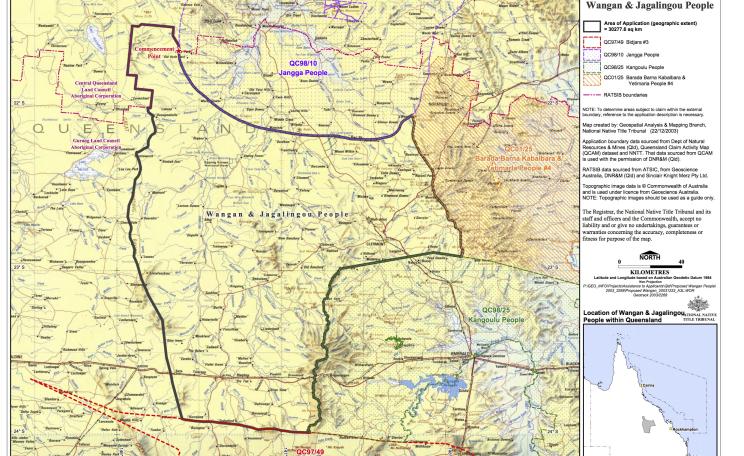
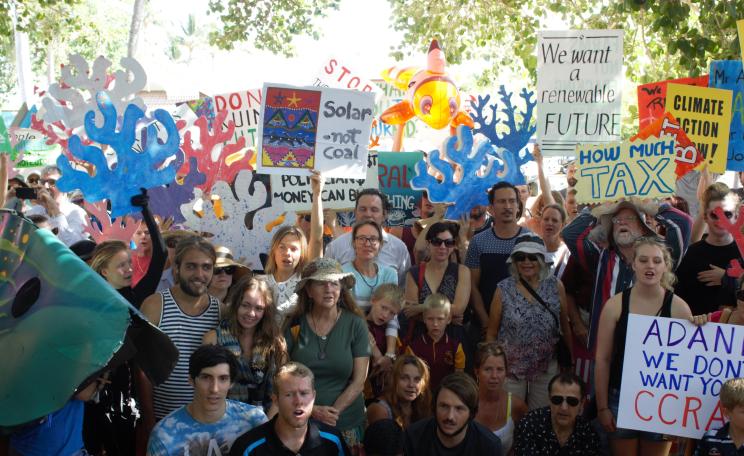
Indigenous elders from the Wangan and Jagalingou (W&J) people have put mining company Adani - and Australia's governments - on notice to quit the Carmichael mine project over native title claims. MAXINE NEWLANDS reports
Nonviolent activism is an incredibly powerful means of transforming the world, writes Robert J. Burrowes. But to harness that power, we must understand that it works by inspiring others to join in a just and noble cause, while communicating the actions they can take in their own lives. Its essential modes are thus political and psychological - and victory can result from apparent failure.
Last week's decision by the Romanian government to seek UNESCO World Heritage status for Rosia Montana, a historic Carpathian mountain village under threat of gold mining, is a massive victory for campaigners after a hard 15-year struggle, writes Alexandru Predoiu - one that has united farmers, city-dwellers and new-age protestors against cultural and ecological destruction.
Australian politicians are putting the Great Barrier Reef at risk by approving one of the world's largest coal mines, say activists and marine scientists. MAXINE NEWLANDS reports
A Lancashire grandmother is to appear in a Preston court tomorrow to defend a £55,000 claim pressed by fracking company Cuadrilla and its CEO Francis Egan for the costs of an eviction that never even took place, writes Oliver Tickell. Now a campaign calling on Cuadrilla to drop its unjust and oppressive legal action is gaining momentum - and its Egan who's on the defensive.