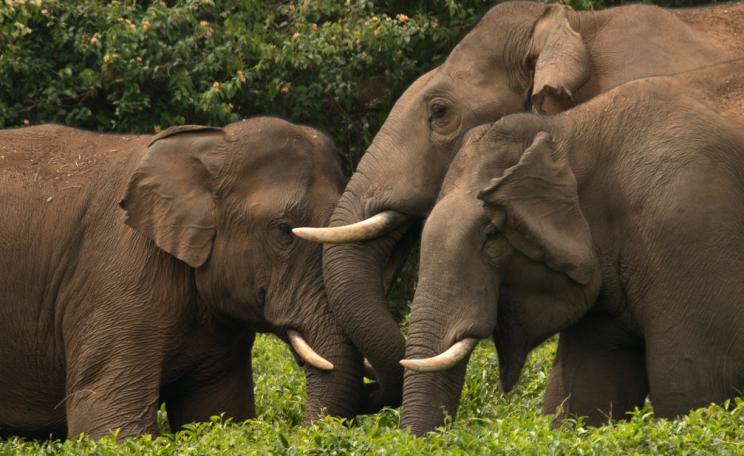
“Make people smile, and then ask for help”, was a philosophy embraced by the late adventurer Mark Shand. A convoy racing 500km across India in a collection of eclectic vehicles is aiming to do just that. CATHERINE EARLY reports.
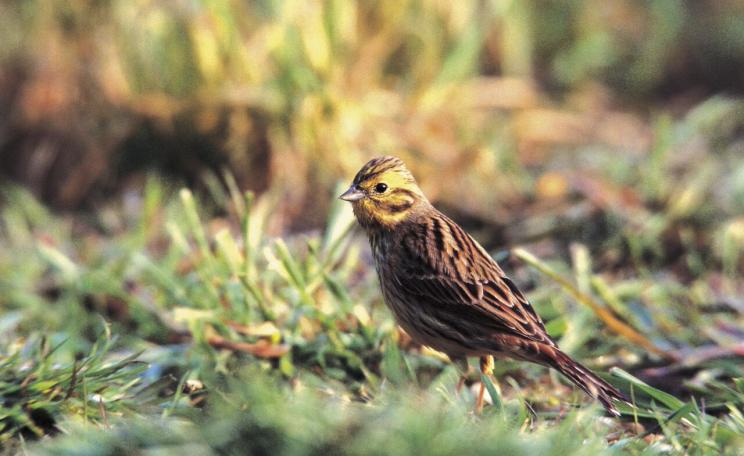
The Hope Farm Bird Index has more than trebled between 2000 and 2017. Butterfly numbers on the farm have also increased by 213 percent. But during the same period the Farmland Bird Index nationally has decreased. JACK ALEXANDER reports
Human beings are now waging war against life itself as we continue to destroy not just individual lives, local populations and entire species in vast numbers but also the ecological systems that make life on Earth possible. By doing this we are now accelerating the sixth mass extinction event in Earth's history and virtually eliminating any prospect of human survival, writes ROBERT J BURROWES
Biodiversity refers to the variety of all living things on Earth, but people often have very specific ideas of what it means. If you run an online search for images of biodiversity, you are likely to find lots of photos of tropical rainforests and coral reefs. Those ecosystems are invaluable, but biodiversity also exists in many other places writes ecologist, CHRISTOPHER SWAN
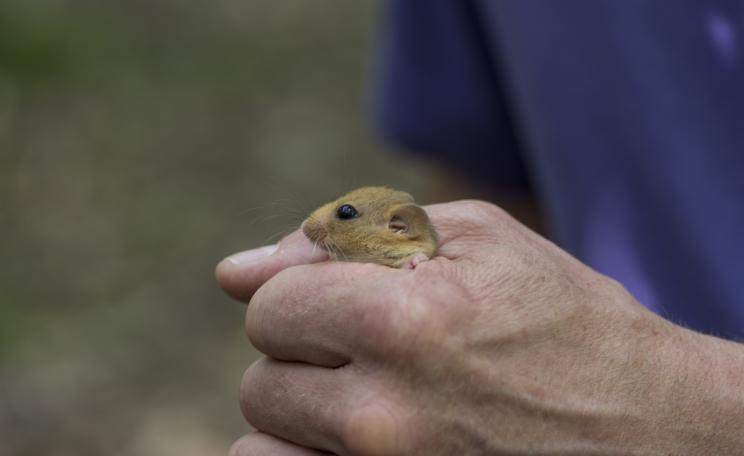
Ecologist reporter, LAURA BRIGGS, joins the animal charities and volunteers gathered earlier this week on a secret mission - the release of 18 pairs of endangered dormice into the wild
If you live or spend time in the UK countryside it may have been some time since you spotted the native brown hare - if you've ever seen one at all. That's because the hare relies on an increasingly disappearing biodiverse landscape for its food. LAURA BRIGGS talks to the scientists behind a new study investigating what type of planting - including bioenergy crops - will help stop hare populations from continuing to decline
It's barely mentioned in the election campaign or reported in the media. But a powerful faction of Tory ministers, ex-ministers and backbench MPs are bent on using Brexit to ignite a massive bonfire of 'spirit-crushing' laws on wildlife protection, air and water pollution, pesticides, renewable energy and public health, writes Brendan Montague. At risk are not just EU directives and regulations but even the UK's own Climate Change Act. May's Brexit may not just be hard, but very, very dirty.
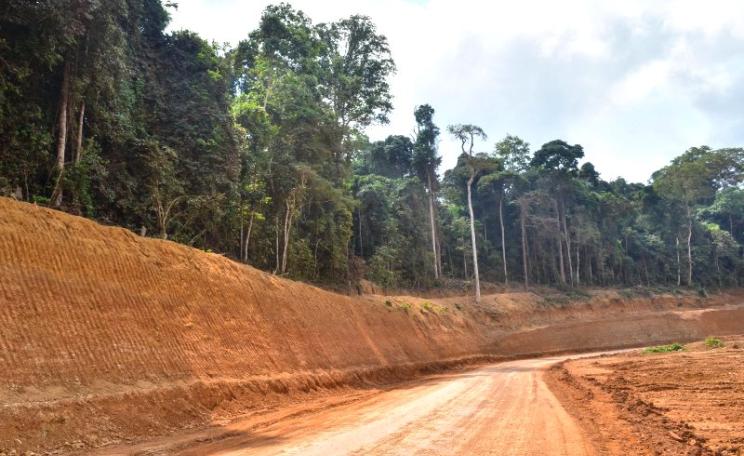
As China pursues a startling array of energy, mining, logging, agricultural, transport and other infrastructure projects on virtually every continent, it is having an unprecedented impact on the planet, writes William Laurance. It's not that China is any worse than historic colonial powers - the difference is in the sheer scale and pace of environmental destruction, and the total lack of oversight under which Chinese mega-corporations operate.
Rio Tinto's QMM mine in Madagascar was meant to be an exemplar of 'corporate social responsibility' and environmental best practice. But the reality experienced by local communities is different, writes Yvonne Orengo, with uncompensated land seizures, food insecurity, deforestation and social deprivation. New concerns are emerging about the infringement of legal buffer zones and radiation exposure. Rio Tinto must be held responsible for its actions!
We may know that palm oil is wiping out rainforests worldwide, writes Philip Lymbery. But few realise that our factory farmed meat and dairy are contributing to the problem. As revealed in Philip's new book, 'Dead Zone: Where the Wild Things Were', palm kernels, left after pressing the fruit for oil, is a protein-rich livestock feed of growing importance. And nowhere is the impact greater than Sumatra, home (for now) to its own unique species of elephant.
A recently discovered peatland in northeast Peru contains two years worth of US carbon emissions, writes Joe Sandler Clarke, but it's under threat from the rapidly advancing 'palm oil frontier'. Now scientists are calling for the wetland's immediate protection - before it's too late to save it.
Over 90% of major armed conflicts between 1950-2000 occurred in countries containing biodiversity hotspots,writes Alex Reid, and more than 80% of these took place in the hotspot areas themselves. This poses a major challenge to the conservation community: to work in combat zones to strengthen environmental protection before, during and after conflicts. Or better still, to defuse incipient conflicts and resolve those under way, to reduce their toll on people, and nature.
If the thought of dropping a live lobster into a pan of boiling water horrifies you, then you're in good company including that of a new campaigning group that wants lobsters to be given the same animal welfare rights as other creatures. LAURA BRIGGS reports
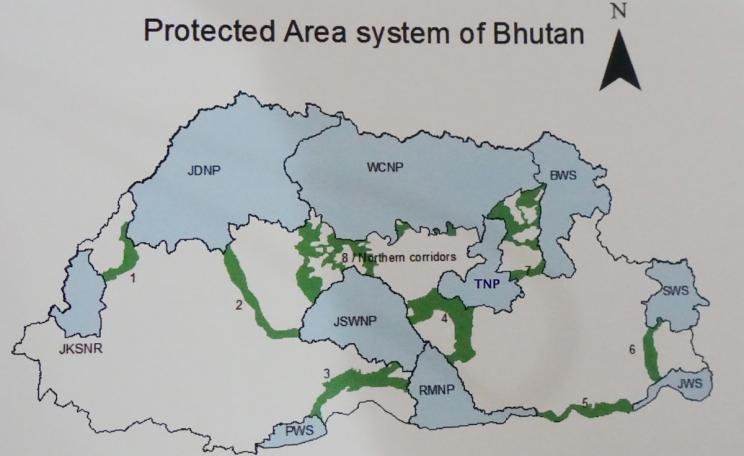
Bhutan is well on its way to becoming the greenest nation on the planet. In his Special Report for the Ecologist, photojournalist MICHAEL BUCKLEY explores the reasons why the country's ecosystems and dazzling biodiversity remain intact - and highlights the one thing that threatens this admirable integrity...
With most of our food exports going to the EU, and most of our food imports coming from the EU, Molly Scott Cato wondered what plans the government had for the sector after Brexit. The answer? None! Two reports published today map out a positive future of sustainable farming, local food, thriving rural economies and abundant biodiversity. But is the government on the same page?