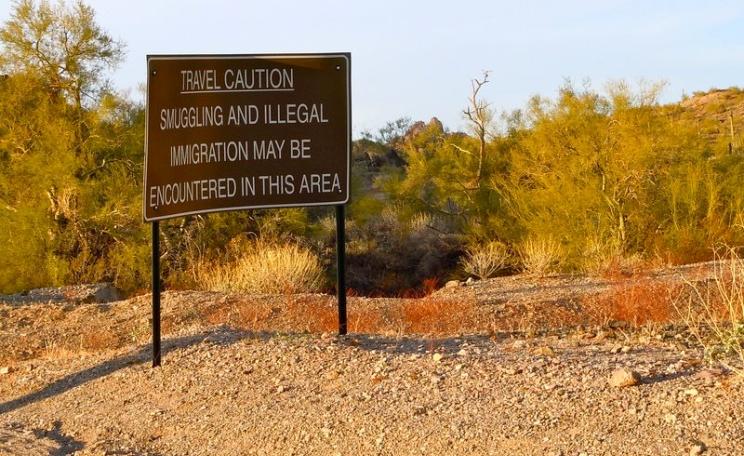
The 3,100km concrete wall Donald Trump plans to build along the US-Mexico border would be a disaster for the border zone's ecosystems, writes Shonil Bhagwat. Among the species at risk: ocelots, bears, Bighorn sheep, the US's last wild jaguars facing genetic isolation north of the border, and the Bald eagle, the US's national bird.
It's been another disastrous year for North America's Monarch butterflies, with the insect's population down 27% in a single year. The sudden decline is blamed on severe winter storms in Mexico, and the impacts of GMO crops, herbicides and insecticides on US farms.
Colombia is now closer than ever to finding a peaceful resolution to generations of violence. With so much to gain in a post-conflict world - as much for the Colombian people as for their environment - the sudden prospect of losing it all will make for tense months ahead writes FOREST RAY
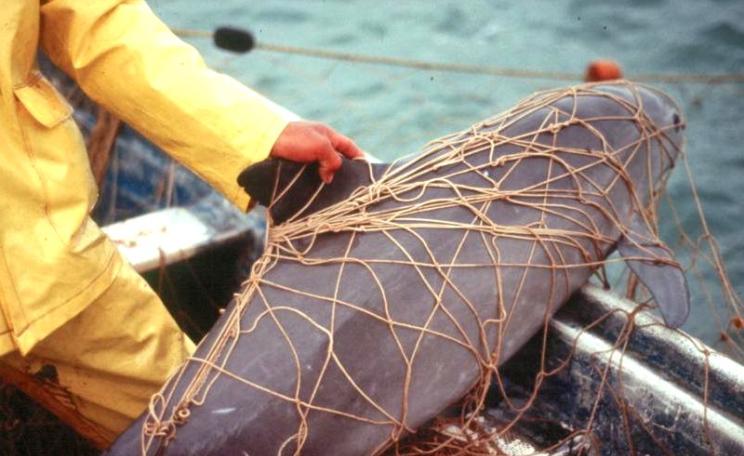
The world's smallest porpoise is fast heading to extinction, writes Aron White thanks to Mexico's failure to ban the use of gillnets in its range, and China's illegal imports of totoaba fish swim bladders, used in Chinese medicine. Without urgent and effective action the vaquita will soon disappear for good.
Just imagine: gas for your cooking and heating made by composting home-grown British grass, writes Almuth Ernsting. What's not to like? Well, it would need almost all the UK's grassland to match our gas demand, leaving cows and sheep to starve or forcing them into sheds to eat foreign-grown feeds. And methane leakage could easily wipe out any climate benefit.
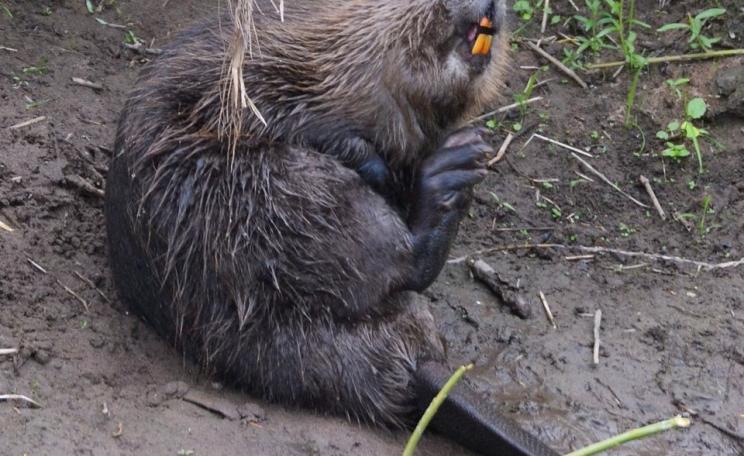
In 2020 the fate of Devon's River Otter wild beavers will be decided. With Chris Packham backing the campaign to save the species and the protection of beavers into Scotland recently getting the go-ahead, the outlook is bright for the species.LAURA BRIGGS reports
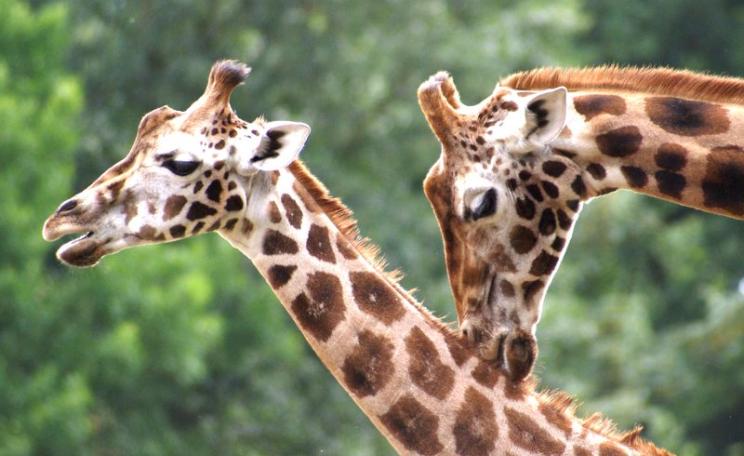
The sudden shift from 'Least Concern' to 'Vulnerable' status for all four species of giraffe is a red flag for their survival, writes Bill Laurance. Hunted down by poachers with automatic weapons for their 'trophy' tails, their range fragmented by roads and mines, and their woodland habitat cleared for farms or burnt for charcoal, giraffes need our help, fast.
It is easy in a country like the UK to imagine that science and economics command the whole debate about nature's value. But step back and look at the bigger picture internationally, and it all looks rather different writes VICTOR ANDERSON
160 global groups have called for a moratorium on new 'genetic extinction' technology at the UN Convention on Biological Diversity meeting in Cancun, Mexico. Gene drive technology, they say, poses serious and irreversible threats to biodiversity, national sovereignty, peace and food security.
The Scottish government has announced that its wild beaver populations will be given the full protection of both UK and EU law. The decision has been welcomed by campaigners who point out all the benefits of beavers to biodiversity, water management and flood control. Now, they say, England and Wales should follow suit.
Limiting climate change is just the start of what we need to do to forestall a runaway cascade of species extinctions, write Bill Laurance & Paul Ehrlich. We must also reverse the destruction and fragmentation of key wildlife habitats, constrain our over-consumption of natural resources, stabilise human numbers - and elect leaders determined to prioritise these issues.
To feed the world we must abandon not just GMOs but all diversity-destroying selective crop breeding, organic farmer John Letts told Oliver Tickell. Only by using biodiverse local seed mixtures that evolve in the field can food production adapt to climate change without ever-increasing chemical inputs, and meet human needs for wholesome nourishment.
Contrary to arguments advanced in a recent Ecologist article, the biomass industry supplying the Drax power station in North Yorkshire is a model of sustainability, writes Nina Skorupska, and delivers genuine, substantial emissions reductions compared to coal.
Today's Living Planet Report details the ongoing destruction of our natural environment, writes Alistair Currie. One solution that is necessary, realistic, ethical and ultimately unavoidable is to reduce the pressure on our planet caused by population growth.
Wildlife artist Rachel Lockwood is in creative lockdown preparing for her new exhibition called Wilding. Ecologist Arts Editor, GARY COOK went to her North Norfolk studio to talk paint, animals and other environmental matters