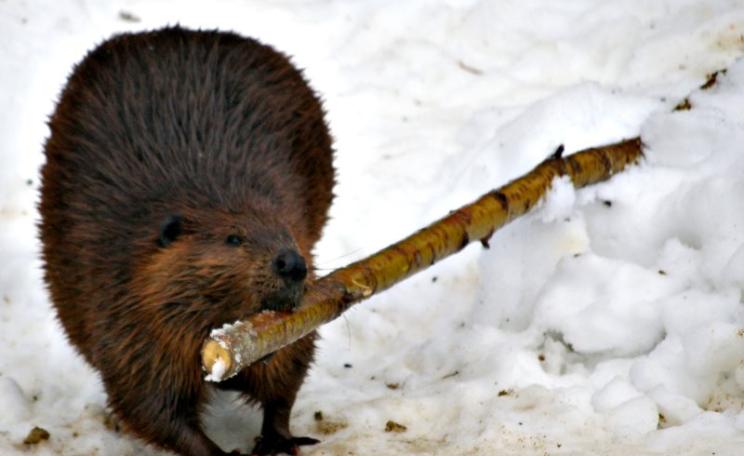
However much you think nature is worth, it's a lot more, writes Neil Nightingale. According to the BBC's 'Earth Index', published today in the world's financial press, water alone is worth as much as the entire global economy, and a single beaver's landscape and wetland management clocks in at $120,000 a year.
It's a seductive narrative, writes Benjamin Neimark: nature is valuable, so let's call it 'natural capital', create markets to monetise it, and so ensure its conservation. But sadly, it's not working. Maybe because capitalism itself is the problem. We need new approaches to saving the world's biodiversity.
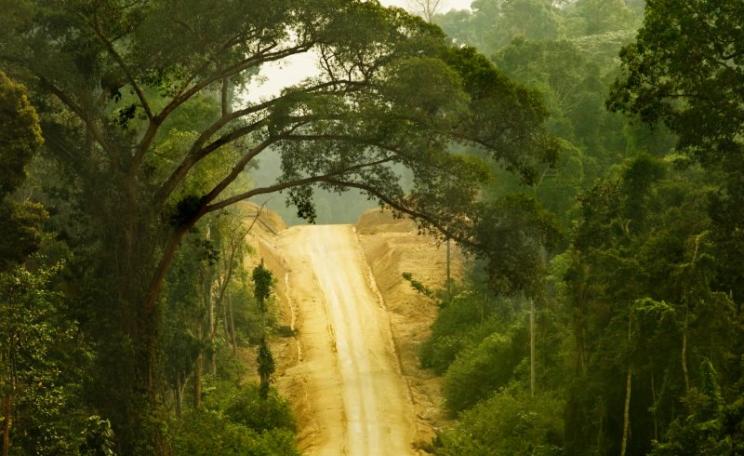
Based on current performance tropical forests, the world's most biodiverse ecosystems, are set to be reduced to species-impoverished fragments by the end of the century, writes Simon Lewis. But it's not inevitable. Decisive action by the world's governments in Paris in December could secure desperately needed change.
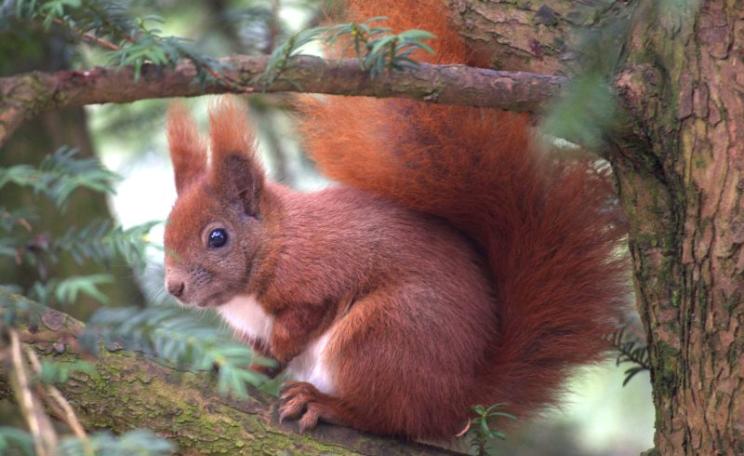
Should we really be spending £1.2 million a year to conserve red squirrels? Yes we should, writes James Borrell. But with Africa's rhinos facing extinction, and vital conservation in UK's overseas 'biodiversity jewels' sadly underfunded, there are much better investments we should be making too.
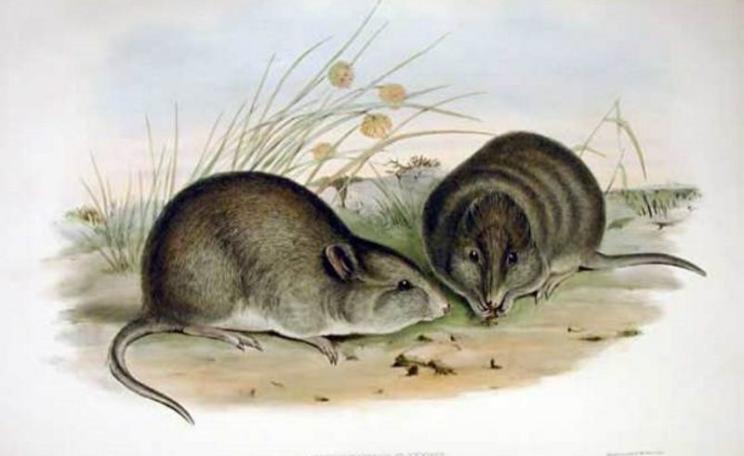
The Earth is now undergoing the biggest mass extinction since the end of the dinosaurs 65 million years ago, writes James Dyke - the result of our collective desire to convert our planet into goods, services and trash. If we go on the biosphere itself will survive, but it will be impoverished. As will we.
Rewilding is now firmly on the agenda, writes Paul Jepson, and that brings a huge opportunity to re-invigorate conservation. But we must look to creating new functional ecosystems for the future, rather than trying to recreate a lost and perhaps imagined past.
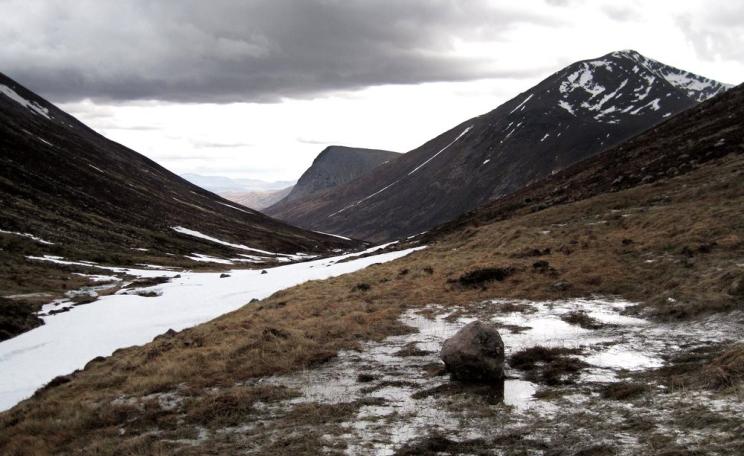
A new study led by RSPB shows that more than half of Britain's most precious upland moors are suffering from burning - widely used to increase the numbers of red grouse available for recreational shooting.
The EU's nature directives provide effective protection for endangered species and habitats, writes Leonardo Mazza. So why the Commission's decision to 'review' and 'modernise' the laws? With its commitment to business-friendly deregulation and uninterest in the environment, the aim is surely to gut them - something only EU-wide citizens' mobilisation can prevent.
When Oxeye daises looked like taking over her mini-meadow, Jo Cartmell was tempted to intervene. But instead, she held back and let nature take its course. Now, a few seasons later, the floral diversity has only increased, taking in some unexpected but welcome arrivals - along with their insect companions, all making their home on what used to be an unloved patch of lawn.
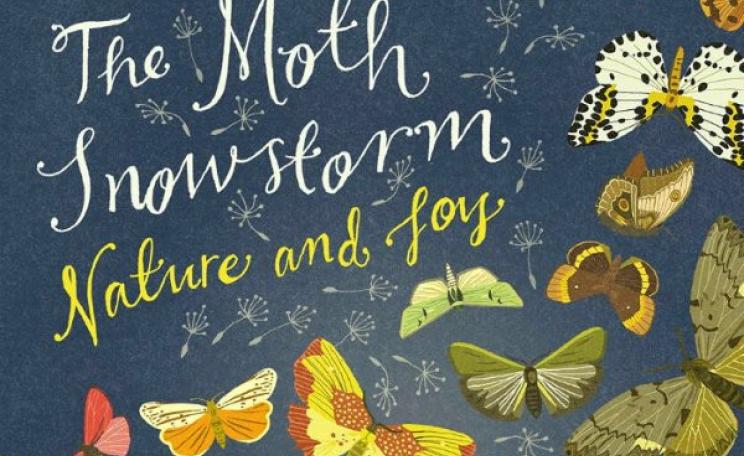
In his new book environmental journalist Michael McCarthy bears witness to the astonishing decline in the once common wildlife of our countryside of the last few decades. But as Chris Rose writes, he does far more than bemoan the losses as he shares with us the joy that he still discovers in nature.
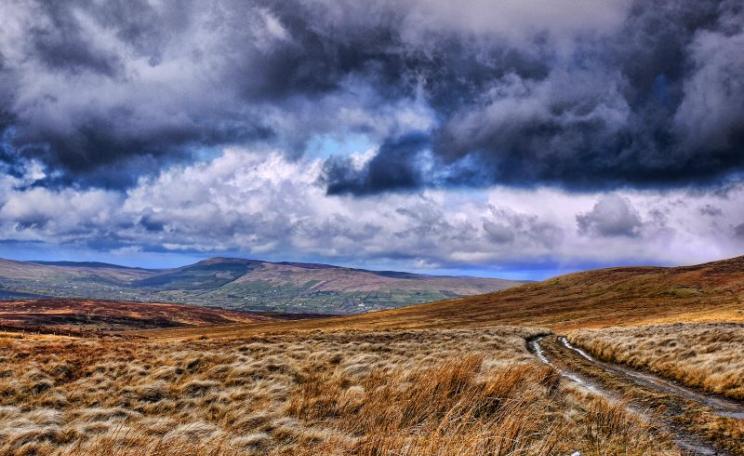
Northern Ireland shows just how much we need the EU's laws protecting nature, writes Andy Atkins - and for the Government to enforce them. The province's wonderful natural heritage is at risk from aggressive and often unlawful developments. And the EU nature laws are essential for us to fight off a host of threats - among them sand dredging, gold mining, road-building and over-fishing.
Residents of Ecuador's Galápagos islands are mounting angry protests against government plans to open the World Heritage Site to foreign investment in luxury tourism and hotels, writes Jane Shaw. They fear for the fragile ecology of the islands, for water shortages caused by golf courses and swimming pools, and for their livelihoods which depend on current 'low intensity' tourism.
The previous government came in on a bold promise to be the 'greenest ever', writes Jonathon Porritt. But what we got was a shameful record of ideologically driven policies that promoted fossil fuels, undermined action on climate, obsessed over nuclear power, did nothing to arrest the decline in the nation's wildlife and biodiversity - and suggest even worse to come.
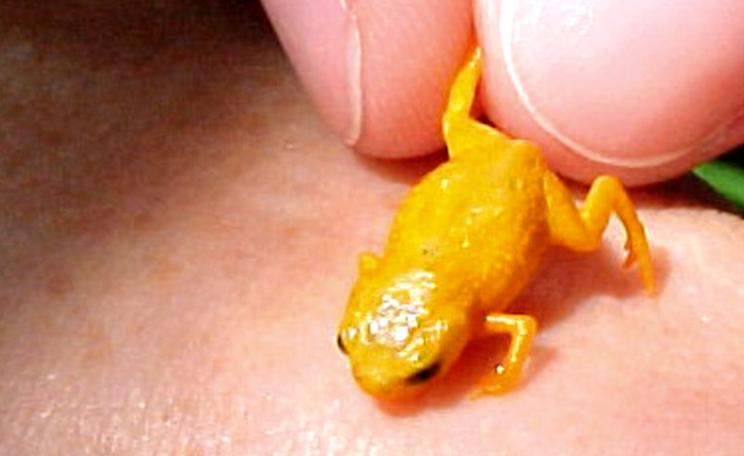
The Atlantic rainforest of Brazil is a biodiversity treasure, writes Miranda Dyson - as exemplified by the discovery of seven minute and beautiful frogs. But with the forest already reduced to under a tenth of its original extent, and going fast, they and countless other species may not survive much longer.
Conservation projects have pulled several endangered European birds back from the brink of extinction, but habitat loss, industrial farming, over fishing and climate change all represent growing threats that requires broader and deeper change in the EU and beyond.