Poaching of elephants and rhinos for their ivory tusks and horn is fast pushing these beautiful animals to extinction, writes Anneka Svenska. Decisive action is needed at the 17th CITES congress in South Africa to ban all international trade in these products, matched by equally strict laws at a national level.
The 2016 'State of Nature' report, published today, offers many small victories to celebrate, writes SUSAN CLARK, but overall it's not good news: 15% of our native species are under threat of extinction, while 53% are in decline. With intensive farming the main cause of the damage, and climate change a serious long term problem, turning the tide of wildlife attrition will be a long and challenging task.
The 'State of Nature' report, published today, is the apex of a vast pyramid of loving and heroic toil by many thousands of volunteer naturalists, writes Dr Mark Eaton - hard at work in all seasons in our marshes, forests, mountains, swamps and farmland. But do we have the young recruits to keep this wonderful tradition going?
Last month, an outright ban on greyhound racing was announced in the Australian state of New South Wales following an inquiry which uncovered overwhelming evidence of systematic animal cruelty. Will the UK do the same asks LAURA BRIGGS
They may have wanted to leave Europe behind but Brexiteers still want the same - if not higher levels of environmental protection - for the UK's wild bee populations and natural wild places says a new report commissioned by Friends of the Earth and published today
BRUSSELS - The French Environment Minister Ségolène Royal has signed a decree banning the trade in ivory and rhino horn in France and all overseas French territories.This follows an earlier French governmental move to suspend re-exports of elephant ivory
For decades Israel has been driving Palestinian farmers off their land by imposing restrictions on agriculture, writes JONATHAN COOK. But one company, Canaan Fair Trade, has found an innovative way to resist peacefully, increasing resilience and prosperity in rural West Bank communities, and forging international alliances in the global movement for good food and farming.
This month wood pellet mills in the southern US that supply the UK's Drax power station were awarded 'sustainability' certificates under a voluntary scheme governed entirely by energy companies. The certificates provide no credible guarantee that the fuel does not come from ecologically valuable natural forests and wetlands, clear-cut and replaced by industrial plantations.
As whale watching grows in popularity, so too do concerns about marine habitats and the conservation of whales, dolphins and porpoises. DYLAN WALKER of the World Cetacean Alliance explains why we must all take responsibility for ethical interactions with these intriguing animals
The new Vision for Nature report highlights what young people want to see politicians doing to protect the environment. And there is nobody better qualified to make these demands than the generation that will inherit the future, writes MATT WILLIAMS
You will recognise the famous surname but unlike his father, Jacques Cousteau, who spent a career discovering and sharing the mysteries and wonders of ocean life, Pierre-Yves Cousteau is having to campaign for its protection from over-fishing and the accompanying destruction of marine biodiversity. KASSANDRA LEFAKINIS finds herself engaged by a new film documenting this struggle and the bigger task ahead....
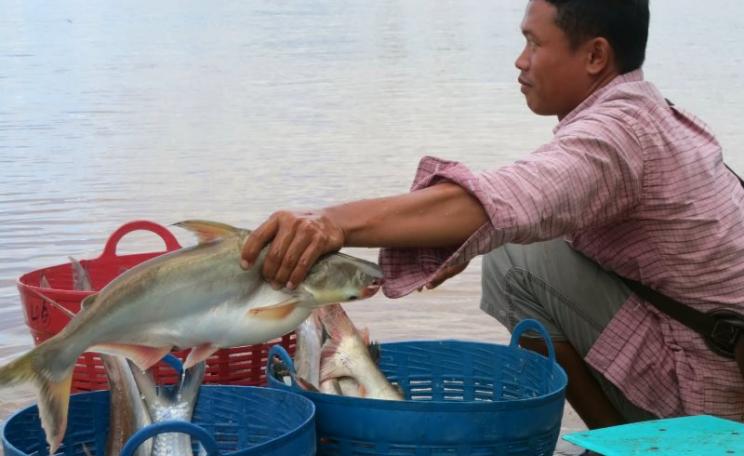
Investigative reporter, TOM FAWTHROP has just returned from the site of the Don Sahong - a hydrodam being constructed in the middle of an eco-paradise of wetlands in Southern Laos where over 200 fish species have been recorded.
A new UN report warns of a threefold increase in extraction of the Earth's primary materials between 1970 and 2010, writes Alex Kirby. The boom in the production of minerals, ores, fossil fuels, timber and biomass and will be to intensify climate change, increase air pollution and reduce biodiversity.
There is now a very real hope that thousands of animals in Ireland will be spared from painful laboratory testing thanks to new funding from the Government for alternative scientific research. Ecologist reporter, LAURA BRIGGS reports
Anti badger culling campaigner Lesley Docksey tells a very personal story of her relationship with the badgers that live near to her home and come there to feed including one that miraculously survived the cruelty of a snare trap