The OECD is pursuing a complaint that WWF has funded abuses against the indigenous forest-dwelling Baka or 'Pygmy' peoples of Cameroon, after determining that its human rights guidelines do apply to WWF owing to the 'commercial nature' of its conservation activities.
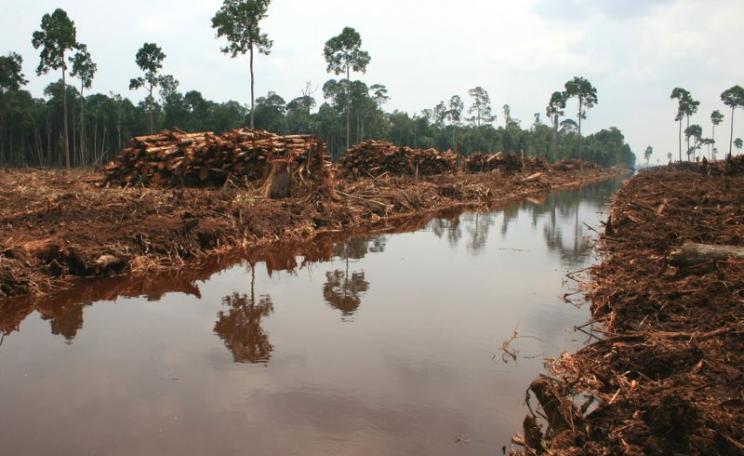
Indonesia's plans to meet its Paris Agreement obligations by protecting its swamp forests, the world's biggest land reservoir of carbon, have been acclaimed by the world's press, writes Yuyun Indradi. But they contain so many loopholes and flawed compromises that - unless radically reformed - they are doomed to certain failure.
Two key wildlife laws that underpin nature conservation across the EU will be retained intact, the EU Commission announced today after an 18 month review that generated record public engagement due to fears that they would be weakened. Now campaigners are determined to ensure the UK retains the laws post-Brexit.
The Scottish government has announced that its wild beaver populations will be given the full protection of both UK and EU law. The decision has been welcomed by campaigners who point out all the benefits of beavers to biodiversity, water management and flood control. Now, they say, England and Wales should follow suit.
Born into the wealthy family that founded the Roche pharmaceutical and chemical giant, Luc Hoffman turned his back on the comforts of wealth at an early age, writes James Breiding, and dedicated his life, and his money, to conservation. We all owe a huge debt of gratitude to this man of few words, encyclopedic knowledge, decisive action and unswerving commitment.
Limiting climate change is just the start of what we need to do to forestall a runaway cascade of species extinctions, write Bill Laurance & Paul Ehrlich. We must also reverse the destruction and fragmentation of key wildlife habitats, constrain our over-consumption of natural resources, stabilise human numbers - and elect leaders determined to prioritise these issues.
The construction of the Don Sahong Dam in Laos PDR must be halted until full information on the project's impacts - in particular the fate of millions of fish that migrate each year through the Hou Sahong channel now being dammed - has been published, writes the Save the Mekong Coalition in this open letter sent today to the project developers.
COP22 has revealed signs of real momentum toward an effective role for tropical forests in achieving a low carbon future, writes Tony Juniper. Now for the hard bit - connecting with realities on the ground to make it happen. This will mean working with indigenous and other forest communities to support and reward their conservation efforts, while harnessing large-scale international carbon finance.
A project to reintroduce red squirrels to isolated areas of regenerating forest in the Scottish Highlands gets under way this month. This will increase both the numbers and the range of red squirrels in the UK, and help to regenerate their native Caledonian forest habitat.
The 'Global Redesign Initiative', a project of the World Economic Forum, aims to replace UN-based intergovernmental decision-making with unaccountable 'multi-stakeholder governance' run by and for corporations, writes Margi Prideaux. What future for nature and people in this brave new world? Generate profits for investors, or face extinction or exclusion to the margins of existence.
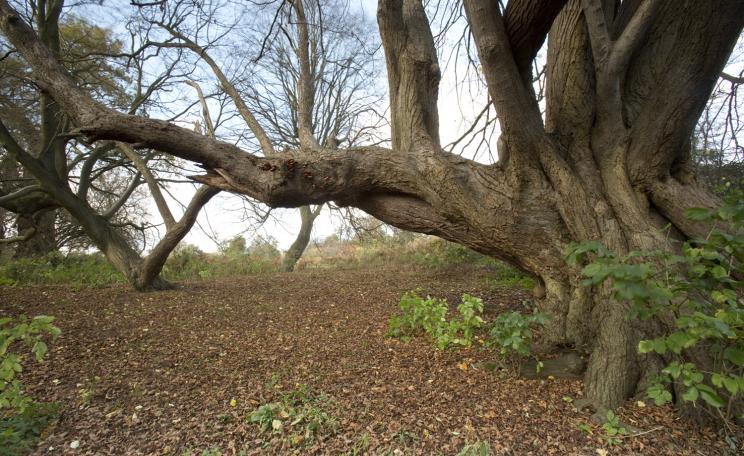
After decades of travelling the globe documenting environmental issues, UK photographer Edward Parker has turned his lens closer to home with a new book on the Ancient Trees of the National Trust. He talks to Arts Editor, GARY COOK
The exclusion of fishers from the design of management plans for the vaquita, driven by conservation groups and implemented by the government, has led to polarized opinions and a large divide between communities and conservation agencies, writes Andrew Frederick Johnson. To save the vaquita, this needs to be replaced with a close collaboration.
The UK government's insistence of pursuing fracking is based on a flawed and utterly misinformed vision of our future, write Alex Russell and Peter Strachan. Rather than delivering the prosperity they promise, large scale fracking would cause massive pollution of air and water, undermine vital export industries, and leave us with an irretrievably damaged economy and natural environment.
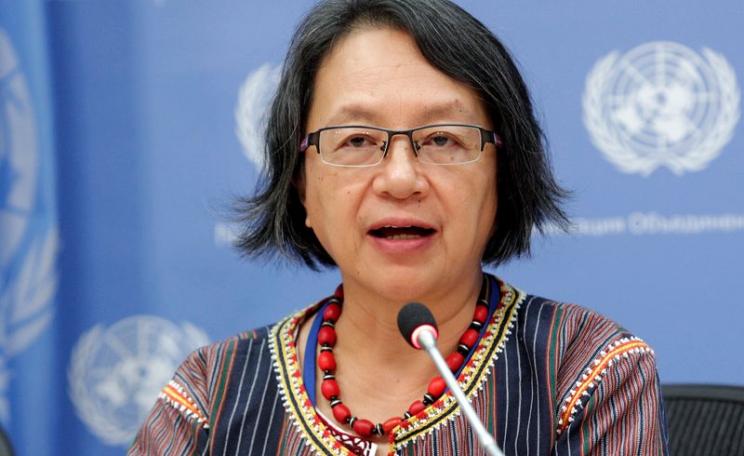
Indigenous Peoples are often the victims of nature conservation, according to a new report by Vicky Tauli-Corpuz presented to the UN this week, as they are expelled from lands they have inhabited for millennia. One reason, she told Joe Eisen, is that indigenous territories are precisely the places where biodiversity is best preserved - thanks to the protective, nurturing presence of their traditional owners.