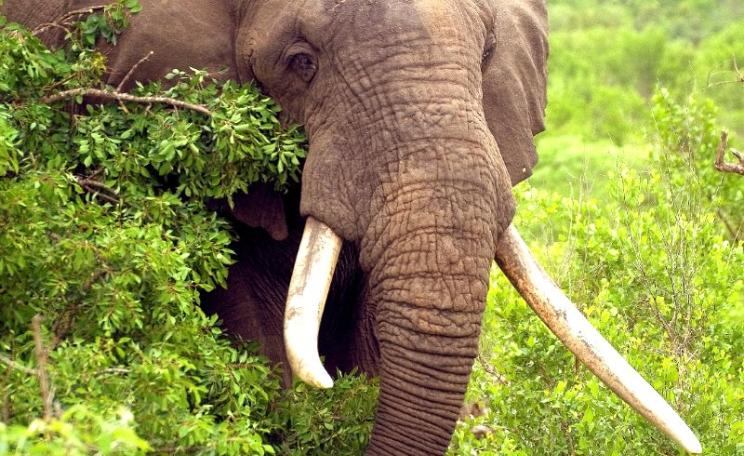
With 27,000 African savannah elephants a year illegally killed for their ivory, the species is in peril, write Ross Harvey & Alexander Rhodes. Now international action at CITES and the closure of domestic ivory markets are attacking the ivory trade at both ends. But we must also give our full support to 'elephant neighbor' communities.
A 30-year decline in toad populations recorded by volunteers, shows the need to rebuild vital 'green infrastructure' across both the wider countryside and urban areas, writes Oliver Tickell: reversing habitat fragmentation, digging out ponds and ditches, and leaving ample unkempt areas for cover and hibernation.
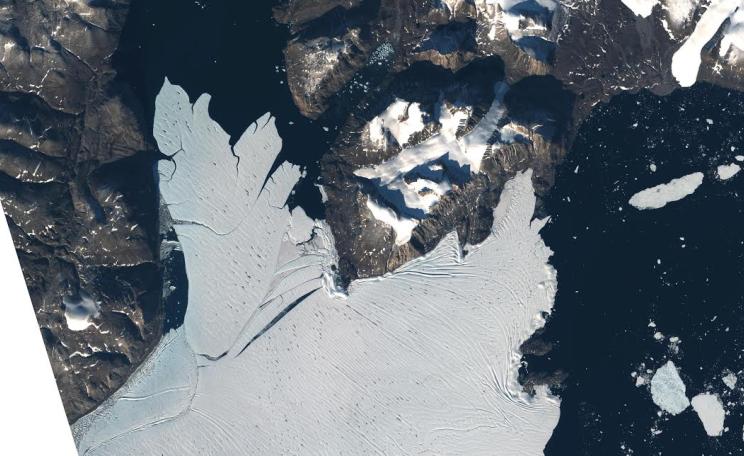
Professor Jason Box, glaciologist at the Geological Survey of Denmark and Greenland, tells NICK BREEZE how the largest ice shelf in Greenland has just lost an area of ice shelf the size of Manhattan Island. Its recent breaking away was a 'spectacular' event - but also a highly abnormal one that raises deep concerns about the future of the Arctic and prospective global sea level rise.
Off-grid renewable energy is key to achieving the global goal of 100% electricity access by 2030, writes Adnan Z. Amin, and to achieving the emissions reductions enshrined in the Paris Agreement. Thankfully, a confluence of factors - including rapid cost declines and impressive technology innovations - are making this goal more achievable than ever, and investment in the sector is taking off.
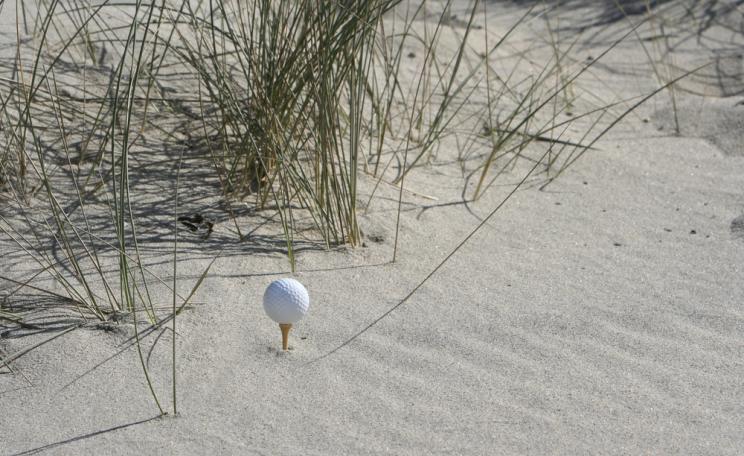
Campaigners fighting a development for an 18-hole golf course on a pristine part of the Moray Firth are planning to launch a legal challenge against the plans with £10,000 they have sourced through crowdfunding. LAURA BRIGGS reports
Wildlife artist Rachel Lockwood is in creative lockdown preparing for her new exhibition called Wilding. Ecologist Arts Editor, GARY COOK went to her North Norfolk studio to talk paint, animals and other environmental matters
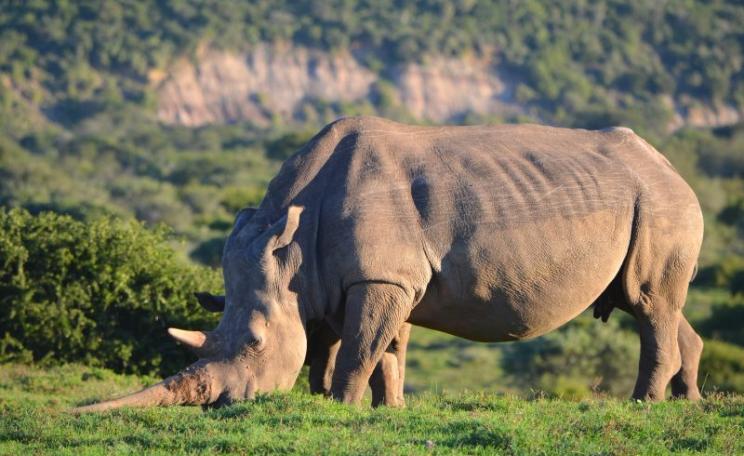
The trade ban on rhino horn is not working, writes Keith Somerville. But non-lethally and sustainably harvested rhino horn can earn income to encourage breeders, pay rangers and anti-poaching teams, provide surveillance and supply wider benefits that will gain the support of people around parks, reserves and ranches.
The Thai government was right to evict an indigenous community from the Kaeng Krachan National Park at gunpoint and burn down homes, a Bangkok court has ruled - even though one resident had lived there for 100 years and the Park was only created in 1981.
The destruction of the world's wilderness is accelerating with a new clutch of mega projects from dams, roads and mines to large scale agriculture, write James Watson, Bill Laurance, Brendan Mackey & James Allan. It's cost-effective to put a stop to it right now for the carbon value of wilderness alone - never mind the biodiversity and indigenous peoples it safeguards.
The 2016 'State of Nature' report, published today, offers many small victories to celebrate, writes SUSAN CLARK, but overall it's not good news: 15% of our native species are under threat of extinction, while 53% are in decline. With intensive farming the main cause of the damage, and climate change a serious long term problem, turning the tide of wildlife attrition will be a long and challenging task.
The 'State of Nature' report, published today, is the apex of a vast pyramid of loving and heroic toil by many thousands of volunteer naturalists, writes Dr Mark Eaton - hard at work in all seasons in our marshes, forests, mountains, swamps and farmland. But do we have the young recruits to keep this wonderful tradition going?
As the global assault on indigenous lands intensifies, the world's largest conservation group, the IUCN, has just voted at its World Conservation Congress for the sacred natural sites and territories of indigenous peoples to be recognised as 'No-Go Areas' for destructive industrial scale activities, writes Hal Rhoades - and for corporations to permanently withdraw from such areas.
First we heat up cold water for baths, showers and washing, write Jan Hofman & Laura Piccinini. Then we chuck all that precious heat down the plughole. So how about recycling our waste heat to warm up water on its way to the boiler or hot water tank, cutting bills and emissions? Or on a larger scale, use the sewage from entire communities as a free energy source for heat pumps?
There's quite a fashion now for creating enormous ocean nature reserves, write Peter J S Jones & Elizabeth De Santo. The UK kicked off the trend last year at Pitcairn Island, and now the US has followed up with a 1.5m sq.km reserve around Hawaii. But while these look like big conservation gains, the more serious task is to manage sustainably the intensely exploited seas close to home.
Big conservation NGOs increasingly resemble the nature-destroying corporations they should be opposing, writes Margi Prideaux. This ideological capture is reflected in their vapid marketing to conservation 'consumers'; the serious abuse of indigenous communities they should be engaging as partners; and their willing sacrifice of core objectives to money and influence.