The whole idea of North Sea oil was to make Britain rich, writes Simon Evans. At least that's how it all began. But now ... it cost UK taxpayers a massive £396 million a year in tax breaks and subsidies to keep the industry alive last year. And there's no reason to think that's going to turn around any time soon.
Many eco-minded Brits are rightly worried about the prospect of a ‘hard Brexit'. But what if another ‘alternative' Brexit that delivered a Greener economy were possible? VICTOR ANDERSON and RUPERT READ of Green House have just delivered a new report on Brexit and trade from an ecological perspective. Here, they share their key findings with the Ecologist...
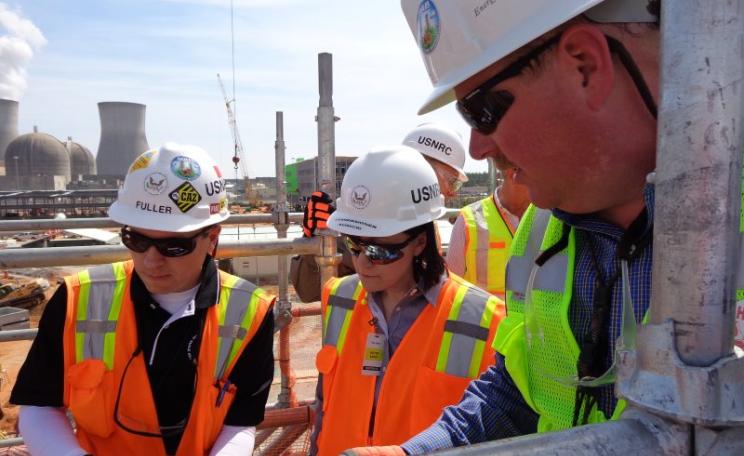
News that one of the world's biggest nuclear power constructors, Westinghouse, has filed for bankruptcy in with debts of over $10 billion has put the entire sector on notice and issued a dire warning to nuclear investors everywhere, writes Jim Green. Among the likely casualties: the UK's Moorside nuclear complex in Cumbria.
This year's prestigious Leontief Prize for economics has been awarded to Professors James Boyce and Joan Martinez-Alier for their ground-breaking theoretical and applied work integrating ecological, developmental, and justice-oriented approaches into the field of economics. They are worthy winners, says NICK MEYNEN
World Bank projects have left a worldwide trail of evictions, displacements, rapes, murders, forest destruction, greenhouse-gas-belching fossil fuel projects, and destruction of farmland and water sources, writes Pete Dolack. But even as internal reports admit the Bank's wrongdoing, it is asserting its immunity from legal action as terrorised communities seek redress in the courts.
So-called 'smart meters' are being rolled out across the UK, writes David Toke, but they don't support the dynamic pricing that's essential to expand renewable energy and decarbonise our electricity. It's time for green NGOs to get campaigning - and not leave vital decisions to a hostile government, a failing regulator and industry insiders.
A Japanese court has found the government and Tepco culpable for the Fukushima nuclear disaster for failing to act on clear warnings of the dangers of seismic shocks, writes Shaun Burnie. The ruling is sending a shockwave through Japan's 'nuclear village' and may end all prospects of any mass restart of reactors.
Soon EDF will have to start the biggest, most complex and costliest nuclear decommissioning and radioactive waste management programme on earth, writes Paul Dorfman. But whereas Germany has set aside €38 billion to decommission 17 nuclear reactors, France has set aside only €23 billion to decommission its 58 reactors. When the real costs come in, they could easily bankrupt the company.
Orthodox economic measures like Gross Domestic product fail to measure the things that matter most, write Judith Schleicher & Bhaskar Vira: like human wellbeing and ecological health. This creates a systematic bias in 'development' policies that must urgently be addressed if we are to build an inclusive, equitable and sustainable society
With the sixth anniversary of the Fukushima disaster falling tomorrow, nuclear lobbyists are arguing over solutions to the existential crisis facing nuclear power, writes Jim Green. Some favour a multinational consolidation of large conventional reactor designs, while others back technological innovation and 'small modular reactors'. But in truth, both approaches are doomed to failure.
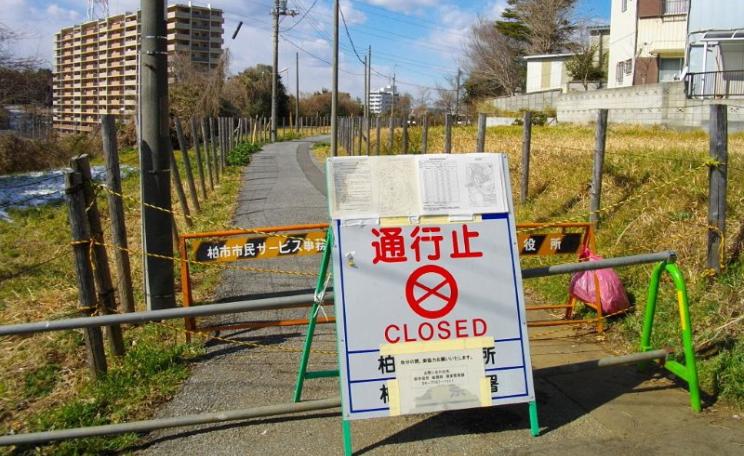
The 2011 Fukushima catastrophe is an ongoing disaster whose end only gets more remote as time passes. The government is desperate to get evacuees back into their homes for the 2020 Tokyo Olympics, but the problems on the ground, and in the breached reactor vessels, are only getting more serious and costly, as unbelievable volumes of radiation contaminate land, air and ocean.
We must not let President Trump's vocal support for the US fossil economy eclipse the dismal record of his predecessors, writes Radek Stefanski. Under Clinton, Bush and Obama fossil fuels subsidies reached $170 billion per year, pushing up US emissions by some 11% - and that's the real problem we have to solve.
David Cameron's Conservative government did its best to kill off the UK's lowest-cost renewable energy technologies, onshore wind and solar. But in next week's budget, the Chancellor can put that right. Renewables are low carbon, quick to deploy, have low environmental impacts, and enjoy high public support, writes Ervin Bossanyi. It's time to give them a break!
David Cameron's Conservative government did its best to kill off the UK's lowest-cost renewable energy technologies, onshore wind and solar. But in next week's budget, the Chancellor can put that right. Renewables are low carbon, quick to deploy, have low environmental impacts, and enjoy high public support, writes Ervin Bossanyi. It's time to give them a break!
They promote GMOs, defend toxic chemicals, and attack people who raise concerns about those products as 'anti-science'. But behind the slick 'astroturf' PR fronts lurk some very dubious funders: the same arch-conservative foundations that finance climate science denial. Stacy Malkan exposes the key players in the agribusiness and chemical industry propaganda wars.