Traveling in the US by boat and train visiting solar laboratories and environmental groups, Keith Barnham found many successful community initiatives in renewable electricity, and brings news of progress towards the ultimate renewable challenge: a solar fuel that could eventually replace gasoline in cars, trucks, buses, trains and aircraft.
The idea that our profit-oriented, growth-driven economic system can deliver a sustainable society is a beguiling one, write Lili Fuhr, Thomas Fatheuer & Barbara Unmüßig. But it is doomed to failure. The changes we need are in the first place political, and will be driven by a new democratic will to put people and planet before money.
Last week a massive 350 hectare open cast coal mine at Druridge Bay took an important step towards winning panning permission. This got Chris Goodall wondering: what if the land was turned into a solar farm instead? His surprise discovery: solar power on England's south coast already costs no more than coal - and it's only getting cheaper.
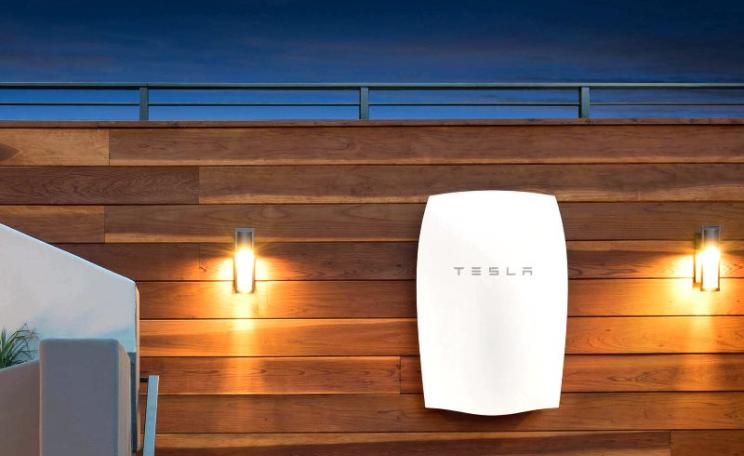
Renewable electricity is already undermining the big energy utilities' business model, writes Emma Howard, breaking their monopoly and bringing down energy bills. But with the unfolding battery revolution, it's going to reach a whole new level as wind and solar powered families and communities become ever more self-sufficient, leaving utilities high and dry.
Campaigners fear that the abolition of DECC, the department of energy and climate change, indicates that climate will take a low priority in Theresa May's policy agenda. Meanwhile the pro-fracking, pro-nuclear Andrea Leadsom is in charge of environment department Defra.
Africa is being opened up like a tin of sardines to a new wave of resource extraction, writes Colin Todhunter. Masked under the soubriquets of 'investment', 'growth' and 'free trade', a handful of vast global corporations are systematically plundering the continent's mineral wealth and leaving desolation in their wake, backed to the hilt by that ever-faithful servant of capital - the UK government.
The main concerns that drove the Brexit vote - mass immigration and declining job prospects - must be taken seriously, writes Colin Hines, in the UK and across Europe. We need a new, cooperative union: of decentralised regional economies, with public investment in 'green' infrastructure driving our transition to a sustainable, low carbon future.
The UK's exit from the EU won't deliver for the 'victims of globalisation' whose votes were decisive in the referendum result, writes Pete Dolack. All the economic scenarios advanced to date envisage more of the 'free trade' and neoliberalism that has global empowered capital against communities and the well-paid jobs that once sustained them. Plus ca change ...
Following the vote to leave the EU, the UK's energy and climate change policy faces major challenges, writes Paul Brown, with new nuclear power and a third London runway at Heathrow runway looking like the first casualties.
The economic impacts of the Brexit vote will very soon make themselves felt to British consumers, writes Chris Goodall - kicking off with higher fuel bills and pump prices. The good news is that nuclear power is now looking increasingly unaffordable. But renewables and green energy research are also likely to suffer, especially if under a right-wing Brexit government.
A leaked text from the 'Trade In Services Agreement' negotiations shows that TISA is set to unleash a massive wave of deregulation affecting social, environmental and financial standards, and force the privatisation of state-run enterprises, writes Pete Dolack. So it's not just TTIP, CETA and TPP we have to fight - TISA could be the biggest corporate power grab of them all.
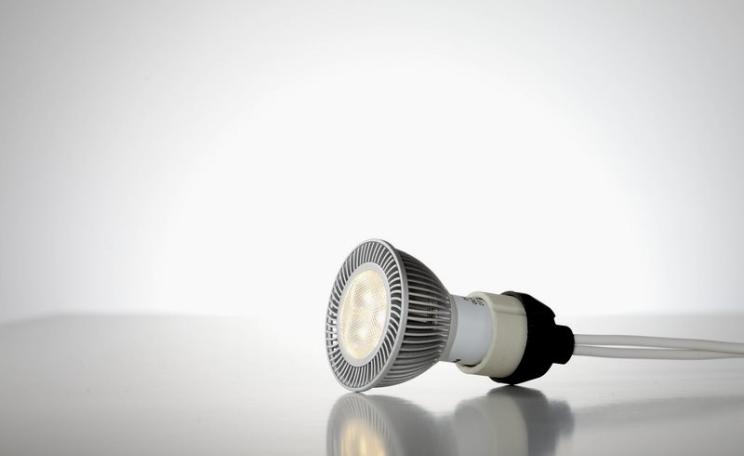
LED light bulbs are cheap and energy efficient, writes Chris Goodall. A crash programme to replace all the lights in the UK with LEDs would cut electricity bills, reduce carbon emissions and other pollution from coal and diesel generation, and reduce the risk of blackouts.
The renewable energy revolution is in full swing, writes Jeremy Leggett, with costs falling to new lows, deployment of wind and solar surging to unprecedented highs, and confidence ebbing away from fossil fuels. But global warming is also accelerating, with global temperature records broken every month for a year. Will the energy transition happen in time to avert catastrophe?
The EU referendum debate is taking place between different wings of the corporate elite, dominated by assumptions in favour of big business, free trade and endless economic growth, write Helena Norberg-Hodge, Rupert Read & Thomas Wallgren. But to vote for a sustainable future we must adopt a very different, local perspective - one you'll never find in UK's 'mainstream' media.
The UK's 'Green Deal' energy efficiency scheme was a massive failure, writes Sue Roberts. But few knew just how bad until the NAO's report - which reveals that its main effect was to line the pockets of the Big Six energy companies, load the public with expensive loans, create a tangle of red tape, and engineer the collapse of the UK's nascent energy efficiency sector.