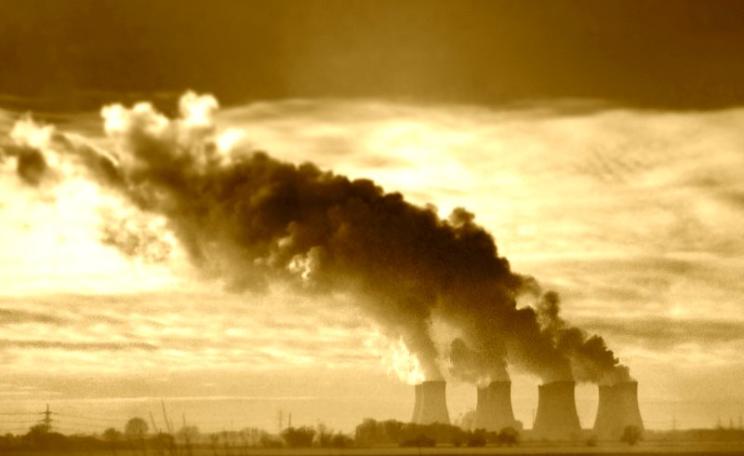
Government plans to pay coal and diesel generators to stay open the winter after next to 'keep the lights on' betray dangerously old-fashioned thinking, writes Chris Goodall. Not only would it subsidise our dirtiest electricity - it's also incredibly costly. Why not just pay people to reduce their demand when power supplies are stretched?
Another week, another series of disasters for EDF and it's Hinkley C nuclear power project, writes Oliver Tickell, with the company's credit rating downgraded partly due to its exposure to the project, and its Chinese partner CGN ruling out a takeover of the site. How much longer can the tragicomedy continue before the curtain falls?
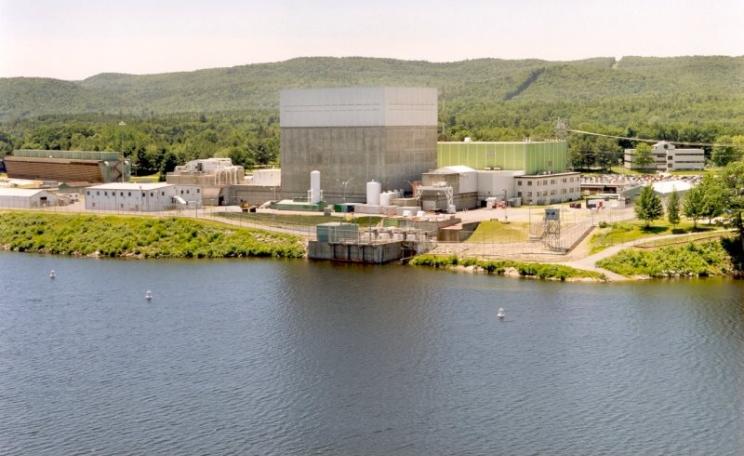
With five reactors closed in the last three years, the US nuclear industry is in shutdown mode, writes Linda Pentz Gunter - and that means big spending on decommissioning. But now the nuclear regulator is set to exempt owners from safety and emergency costs at their closed plants - allowing them to walk away from the costs and liabilities, and palm them onto taxpayers.
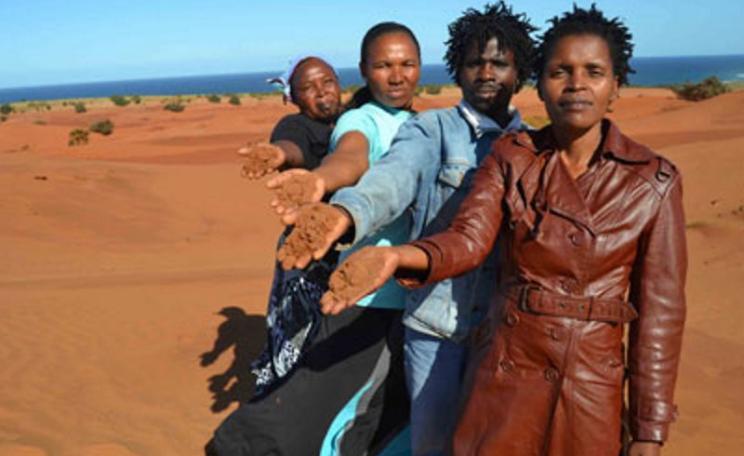
The pristine landscape of South Africa's Wild Coast is under threat from mining, writes Hal Rhoades, and the communities standing up to defend the land are facing deadly consequences: harassment, threats, physical assault and murder. Attacks on mine opponents have taken four lives so far and many others have been injured. But the opposition is growing and gaining international support.
Where does the Green Party go now? Last week's uninspiring election results show that Jeremy Corbyn's Labour poses a serious challenge to us Greens, who can no longer succeed by being merely left wing. We must fulfil our own destiny, representing a distinct, authentic ecological strand in politics, making the case for living as if we only had one planet - as is in fact the case.
The corporate war on traditional farming is nowhere fiercer than in India, writes Colin Todhunter. After decades of the 'Green Revolution' that have impoverished the nation's soils, water, biodiversity and cultivators alike, agribusiness is poised for its final strike. But now the small scale farmers who produce most of the country's food are rediscovering ancient agroecological alternatives.
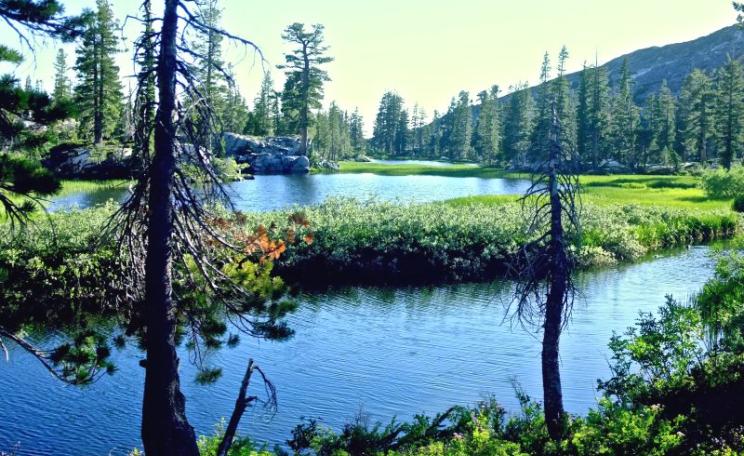
The quiet desperation of declining towns and cities across America's West is understandable, writes George Wuerthner. Of course people dream of the 'good old days' when there were wild prairies to be grazed, forests to be felled and oil wells to be sunk - and try to bring them back. But in so doing they neglect and abuse their real and enduring wealth: nature, landscape and wildlife.
A small fishing community in Mexico's Baja California is playing involuntary host to a gigantic tourism and real estate development, writes Viviane Mahieux. And while the branding of the Tres Santos resort is all about mindfulness, ecology and sustainability, the reality is one of big money, high level politics, and the unaccountable deployment of state violence against those who dare oppose it.
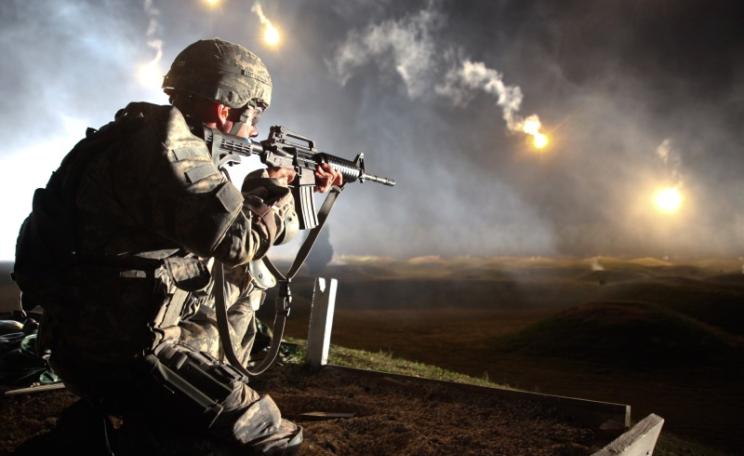
With its 800 bases in 80 countries, the US's global military domination is often seen as an altruistic exercise to ensure world peace and harmony, writes Pete Dolack. It is, of course, the opposite: the essential underpinning of the US's predatory economic power, always ready to strike down any challenge to the rights and privileges of its corporate conquerors and financial oligarchy.
What's the point of farming? To produce an abundance of wholesome food, writes Colin Tudge, while supporting a flourishing rural economy and a sustainable, biodiverse countryside. Yet the powers that be, determined to advance industrial agriculture at all costs, are achieving the precise opposite. It's time for a revolution in our food and farming culture, led by the people at large.
World Bank President Jim Kim talks a good talk on cutting support to fossil fuels. But what the bank does, writes Victoria Seabrook, is a whole other story. Not only is the WB Group still pouring money into the sector, but its funding doubled between 2011 and 2015.
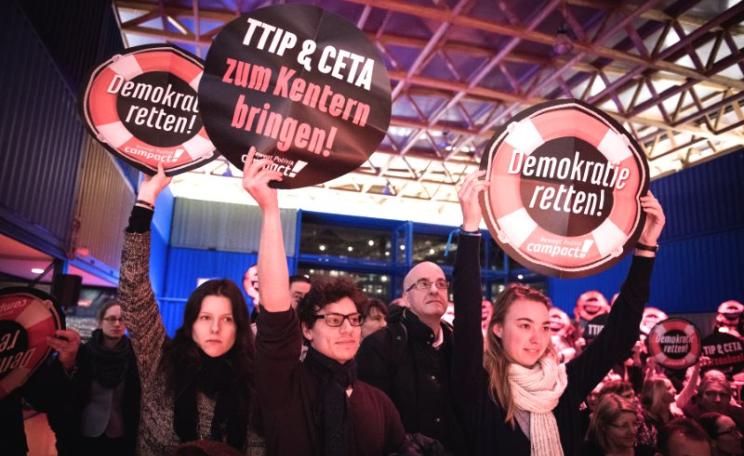
The Stop TTIP coalition is warning that under a 'stealth clause' in CETA the trade deal could come into force without a single parliamentary vote - including its ISDS provisions allowing investors to sue governments in secret courts. US corporations would then be able to sue EU nations - even if TTIP fails.
Disregarding revelations of systemic political corruption in Brazil's hydropower sector, President Dilma Rousseff is ploughing ahead with a cascade of giant dams on the mighty Tapajos river. Among the companies touting to win huge construction contracts are France's EDF and Engie, and Germany's Voith and Siemens - in a consortium led by Brazil's Electrobras, which stands accused of high-level corruption over four other dam projects.
The nuclear industry is forever reinventing itself with one brilliant 'new' idea after another, Amory Lovins wrote in this classic 2009 essay. But whether it's touting the wonders of future SMRs, IFRs or LFTRs, the reality never changes: the reactors they are building right now are over time, over budget and beset by serious, entirely unforeseen technical problems.
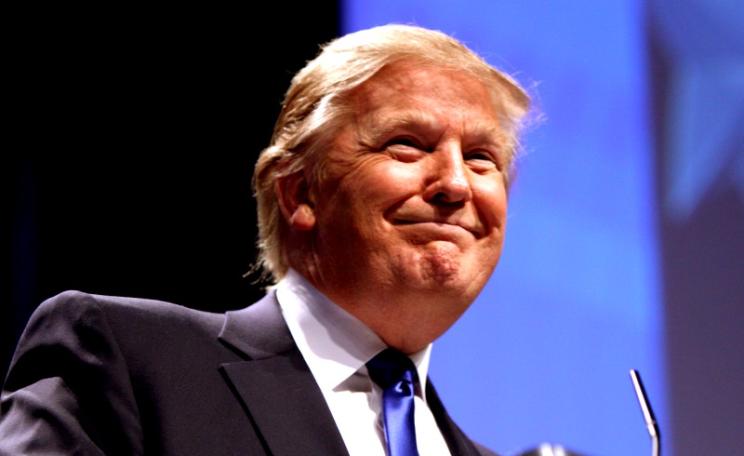
There are many good reasons to criticise Donald Trump, writes John McMurtry. But none of these matter to the US media, political and corporate powers determined to keep him out of the White House. With his radical talk of halving military spending, controlling Big Pharma and exiting 'free trade' agreements, Trump is a direct threat to the parasite capitalism that's destroying America.