After ten massive renewable energy cuts that are leaving the UK falling well short of EU renewable energy targets, an eleventh! The axe is now falling on solar heating, writes Oliver Tickell - even though it's meant to be at the core of the government's renewable energy strategy.
State action on solar power can make a big difference, writes Aaron Viles. Driven by ambitious renewable energy targets and the need to generate local growth industries of the future, five states stand out for their trend-setting policies that are accelerating the US's clean energy transition.
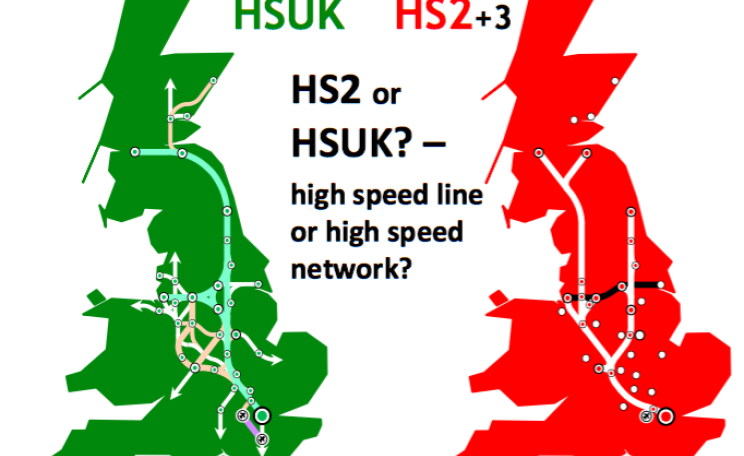
High Speed UK is the greener, well-connected alternative to HS2, write Colin Elliff, Andrew Coulson & Stephen Stretton - and it would save taxpayers billions. Financed by taxing property owners in connected cities on their windfall gains, HSUK would create a low fare, high capacity, interconnected railway network which would generate huge long-term profits for the nation.
French nuclear parastatal EDF is facing problem after problem - zombie nuclear projects in the UK, Finland, China and France, a fleet of 'beyond the grave' reactors, a dropping share price and its drooping credit rating. But is it really as bad as all that? Jonathon Porritt has exclusive access to the leaked Agenda of its latest board meeting. And the answer is - no. It's even worse.
The World Trade Organisation (WTO) has found India's huge solar initiative 'guilty' of breaking trade rules, write Dipti Bhatnagar & Sam Cossar-Gilbert, because it gives domestic manufacturers a small 10% quota for the supply of panels, leaving up to 90% for foreign competitors. It's a warning for perils of the entire WTO system, and of even harsher trade rules like those in TPP, TTIP and CETA.
From banks that are too big to fail, to food banks for the too small to matter, the global econom systematically pumps money from the social economy and the poor up into the hands of a tiny minority of wealthy beneficiaries, writes Colin Tudge. Farmers, trapped between mountains of debt and low food prices, are among the main victims. It's time for a big rethink, starting from first principles.
Europe's economic crisis has offered vast business opportunities to an all-powerful nexus of financial interests that have snapped up valuable state assets at bargain basement prices, defrauding the poorest countries of countless billions of euros, write Sol Trumbo & Nick Buxton. The EU's highest institutions are in the grip of a deep, systemic corruption that knows no boundaries.
Nuclear giant EDF can't afford to write off the £2 billion sunk into the Hinkley C nuclear plant, write Paul Brown & Oliver Tickell. So its cunning plan is to turn it into a 'nuclear zombie' - officially a live project, but actually stone cold dead - until EDF can find a way out of the hole it has dug itself into.
EU and US resume their negotiations next week over the TTIP trade and investment deal. But deep rifts have emerged over the corporate courts in which investors can sue governments for any actions that reduce their profits. Meanwhile MPs are seething over their restricted access to draft texts and negotiating documents.
The private banking system that dominates North America and Europe works very well indeed, writes Ellen Brown - for the bankers. As for us, it's a disaster, as the banks use their monopoly over the creation of money itself, at interest, as a tool to extract ever more value from us and the entire economy. But there is another way!
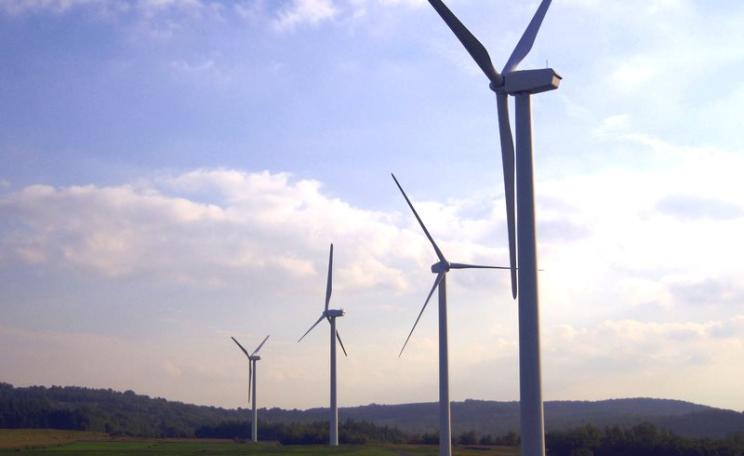
If the UK really wants 3.2GW of 'baseload' power in Somerset, then the Hinkley C nuclear power station is not the only way, write Marie-Louise Heddrich, Thorsten Lenck and Carlos Perez Linkenheil. Wind power with 'wind to gas' plant and CCGT gas power stations could do the same - faster, cheaper, more flexibily, and at much lower technical and financial risk.
Despite Cameron's promise to lead the 'greenest Government ever', the environment has taken a heavy bashing since the 2015 election, writes David Clubb - whether on oil, fracking, renewable energy or planning policy. But Wales is doing its best to follow a sustainable path, and demonstrating badly needed environmental leadership that the whole UK would do well to follow.
The government is set to ban local authorities and their £14 billion pension funds divesting from companies they deem unethical, writes J W Bode. The law will specifically forbid divestment from fossil fuels - and that could put the pensions of future public sector retirees at risk.
An occupation of EDF's site office for Hinkley C turned into a celebration today as the EDF Board postponed its 'final investment decision' for the tenth time. With strong opposition among French unions and the project afflicted by severe technical and financial problems, it's not just Hinkley that's going down, but the UK's entire nuclear programme.
The world is in the grip of a structural war against people, land, economies and ecosystems, writes Colin Todhunter. It is being waged by a quartet of organised criminal interests bent on monopolizing energy, money, food and violence across the globe. But a deep-rooted resistance against their 'neoliberal' doctrine of death and destruction is fighting back.