Inequality is on the agenda at the World Economic Forum in Davos this year, write David Sogge & Nick Buxton. A good thing, right? But look at the proposed 'solutions': ramp up the neoliberal 'development' model; lighten business regulation; pursue globalisation with greater vigor ... Yes, you got it. They would all accelerate the transfer the world's wealth upwards to corporate elites.
Over in Davos world leaders are desperately trying to find a 'fourth industrial revolution' to keep the 'growth' juggernaut rolling, write Bennet Francis & Rupert Read. But their efforts are doomed: the real challenge we face is to build a healthy, more equal society and a green, sustainable future for us all.
According to classical economics Adam Smith's 'invisible' hand' of free markets produces the greatest good for us all, writes JP Sottile. But what happens when rip-roaring 'external costs' are left out of the equations? Wars, repression, pollution, resource destruction and climate change. And because that invisible hand is connected to Mother Nature, it's coming back to strike us.
The greatest myth of the consumer society is that modern lifestyles are 'normal' - and this can continue forever because we're clever little apes who can solve any problem, writes Paul Mobbs. That hubris, in the face of insurmountable ecological limits, will be our collective downfall.
The TTIP 'trade agreement between the US and the EU would devastate EU farms as it opens them up to competition from larger, less regulated US operations, writes Dario Sarmadi. This is the conclusion of a new study to be published tomorrow, which also finds that small-scale farmers would be the first to go - with the big winners the large agri-food corporations.
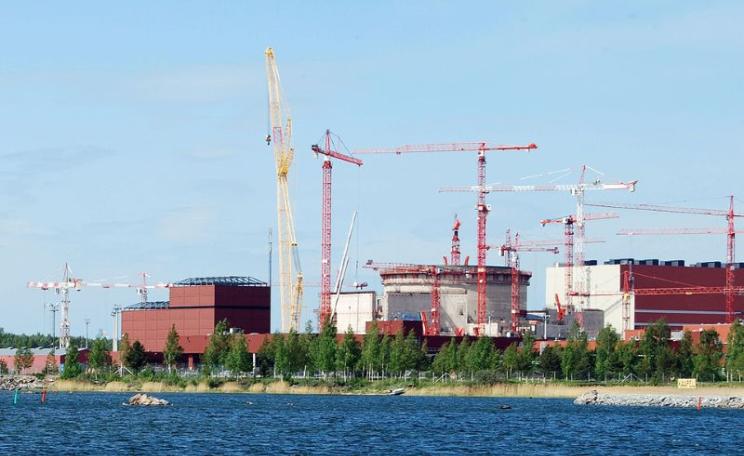
The cash-strapped French energy giant EDF may sell off profitable stakes in its in its eight existing UK nuclear reactors to raise money for the Hinkley Point C project. But with no example of the EPR design planned for Hinkley even near completion, it may all prove a risk too far.
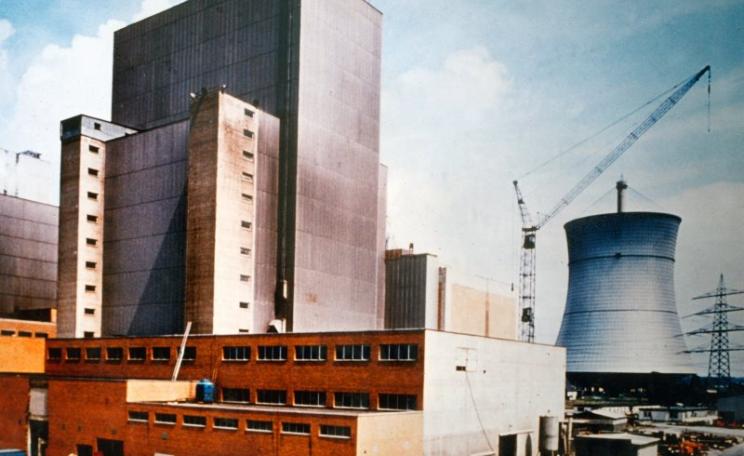
Almost 60 years since the world's first commercial nuclear power station began to deliver power to the UK's grid, the industry remains as far from being able to cover its costs as ever, writes Pete Dolack. But while unfunded liabilities increase year by year, governments are still willing to commit their taxpayers' billions to new nuclear plants with no hope of ever being viable.
With COP21 out of the way there is absolutely no time to lose, Greenpeace director Kumi Naidoo told Pavlos Georgiadis: 'Because by tomorrow, there might be no tomorrow.' We need substantial, structural, systemic change - and this change can only be led by the youth, who are not infected by the political pollution of the past. And whose future is it anyway?
In this new age of austerity money is a perpetual struggle for the public sector and ordinary people, writes Pete Dolack. Yet central banks have squandered trillions to boost profits in the financial sector, reward speculation and push up real estate values. In fact, the world is awash with money as never before - our money. Just don't expect to get your hands on it any time soon.
The nuclear industry has had a disappointing COP21, writes Jim Green. Lobbyists were there en masse desperately trying to get pro-nuclear wording into the Paris Agreement, and they failed. The word does not occur even once in the entire document. But we must prepare for the next battle: keeping nuclear power out of the $100 billion a year Green Climate Fund.
Energy Secretary Amber Rudd's plan to deliver the UK's emissions reductions promised in COP21 rely on nuclear power as the main 'low carbon' energy source, writes Paul Flynn. But the high cost of nuclear, and the ruinous track record of current technologies, show that this path leads only to massive failure at public expense.
The impact of the Paris Agreement on leading rating agency Moody's assessment of the world's fossil fuel companies is ... nothing at all. The one change is in Europe, where thermal generators have a worsening outlook, and renewables are 'credit positive'.
Overtaken by massive regional trade agreements like TPP, TTIP, CETA and TINA, the World Trade Organisation has slipped into the background, writes Polly Jones. But this week it's back with a vengeance, with its first big meeting in two years. The US's plan is to globalise the investment protection regime set out in the TTP, and open a new era of corporate rule and the eradication of democracy.
Campaigners at COP21 in Paris are calling for a new 'upstream' carbon tax to be levied on fossil fuel producers, writes Henner Weithoener, and so send a clear market signal and finance poor countries' compensation for 'loss and damage' caused by climate change.
Coal prices are in terminal decline, writes Kyla Mandel, oil giant Statoil is calling for the strongest possible agreement, and the world's energy bosses are planning for a decarbonised future. COP21 is marking the definitive tipping point in the demise of fossil fuels.