The governor of the Bank of England recently argued that the risk to the stability of the financial system from climate change is a responsibility of central banks, writes Matthias Kroll. They can begin by using QE - 'quantitative easing' - to finance the Green Climate Fund, and so stimulate the economy, rescue the climate, and save the global financial system.
An energy revolution that would take the world to 100% renewables in 15 years is possible, write Sam Cossar-Gilbert and Dipti Bhatnagar. We have the technology, and we even have the money - only it's currently being spent to subsidise fossil fuels. The time has come to tackle two hugely destructive and closely entwined crises - growing inequality and climate change.
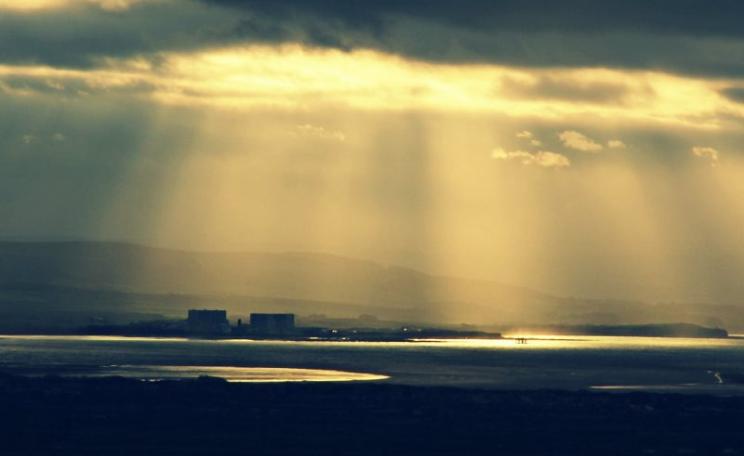
Luxembourg will join Austria's legal challenge to the UK's support package for the Hinkley C nuclear power station. Meanwhile EDF has laid off 65 engineers working on the project in Paris, and the EU Commission has initiated proceedings against Hungary over its Paks II nuclear project with Rosatom.
In the run-up to the COP21 climate summit in Paris the G20's Antalya Communiqué is weaker on climate, fossil fuel subsidies and support for renewable energy than the G20's 2009 Pittsburgh Statement made shortly before the failed COP15 in Copenhagen six years ago.
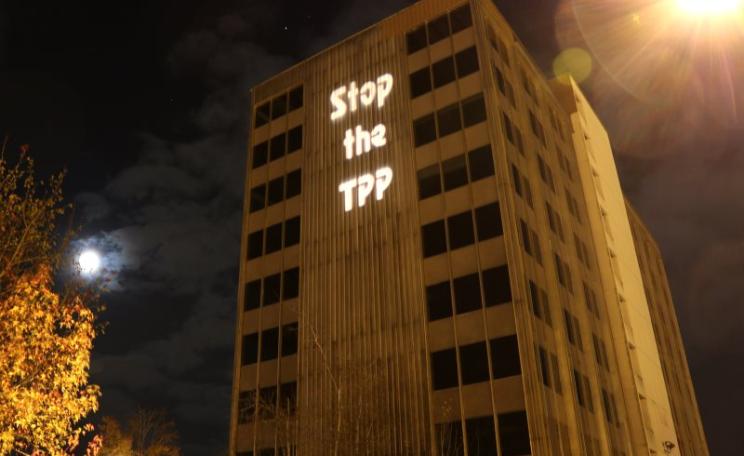
Thanks to New Zealand, the full text of the Trans Pacific Partnership has been made public. And as Pete Dolack writes, it's a disaster for health, environment, workers and democracy - one that will unfold over years and decades to come, as investors and corporations consolidate their power over elected governments and cement in the global rule of unaccountable capital.
In 2009 G20 nations pledged to eliminate fossil fuel subsidies. But they are still supporting them with $452 billion a year. Worst offenders include the UK, the only G7 country that's ramping up its fossil fuel spending; and Turkey, host of tomorrow's G20 summit, which plans to double its CO2 emissions with a huge new fleet of coal power plants.
Surprise changes to the Finance Bill in its third reading have withdrawn tax benefits for investors in community renewable energy projects, writes Georgina Matthews. While some societies are rushing to complete their fund-raising by the end of the month, others have been forced to close. If these measures are not withdrawn, a small but flourishing sector will be at risk.
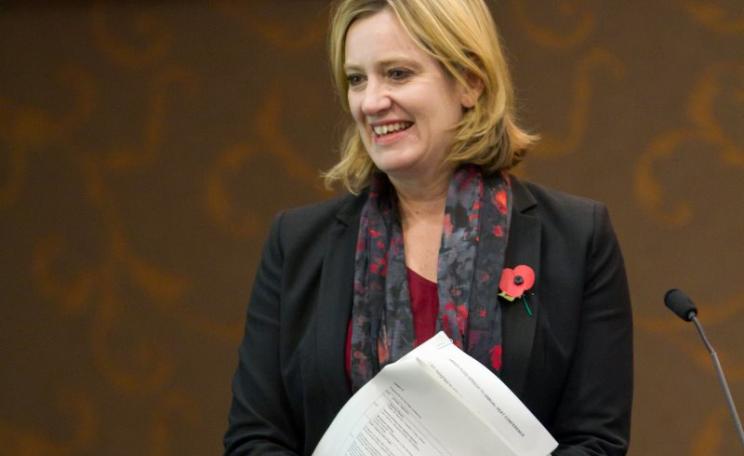
A letter from Energy Secretary Amber Rudd leaked to The Ecologist shows that she misled Parliament by promising the UK was 'on course' to deliver on its renewable energy targets - when in fact there is a delivery shortfall in 2020 of almost 25%. Her plan to fill the gap relies on more biofuels, buying in green power and 'credits' from abroad - everything but wind and solar.
The UK's nuclear deal with China makes no sense, writes Jeffrey Henderson - unless you factor in the simultaneous agreement to forge lucrative links between UK and Chinese financial markets. Lucrative, that is, for the City institutions whose interests the British government so assiduously represents. As for the rest of us, our task is simple: to bear the ever-growing cost.
Economics is much more than the study of money, writes Paul Mobbs. It is a belief system, and in its 'mainstream' incarnation, one that serves a very useful purpose - for those that reap the benefits. But as Brian Davey shows in his insightful new book, it's letting the rest of us down: failing to deliver human wellbeing, while driving ecological calamity.
Greece is Europe's sandbox for the neoliberal free-for-all to follow if the EU and the US sign off on the TTIP trade and investment treaty, writes Pavlos Georgiadis. The termination of public services, the cut-price sell-off of public assets, the dismantling of environmental protection, the democratic closedown, the rule of corporations and finance capital ... all coming your way soon.
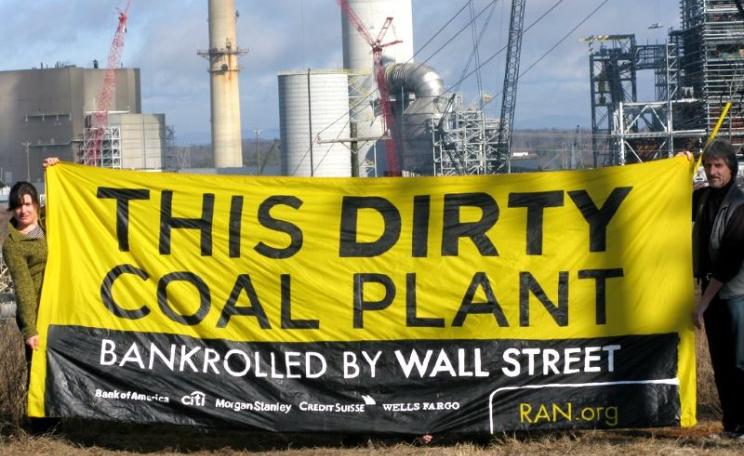
Since the last big climate conference in 2009 the world's biggest private sector banks have provided more than nine more money to fossil fuels than to renewable energy - showing up their oft-repeated 'green finance' promises as little more than PR puff.
A new paradigm of forest conservation is gaining ground, writes Isaac Rojas: 'financialising' them and the climate and ecological services they provide to global investors. But this is a false solution - and one that excludes the local and indigenous forest communities who can truly be relied upon to sustain their sylvan heritage.
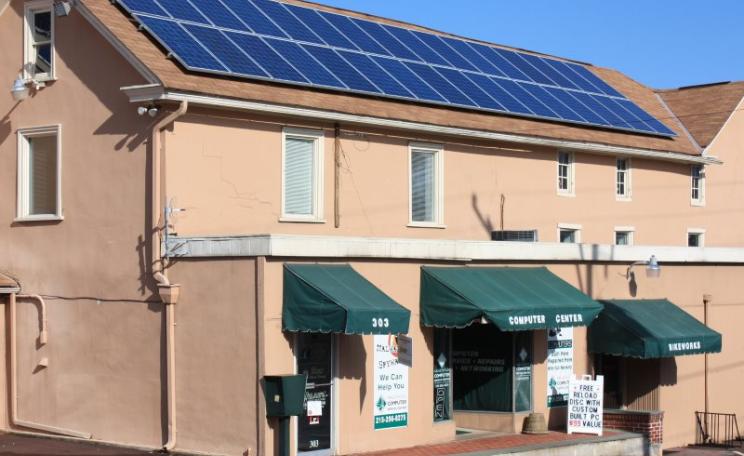
An analysis of power prices in the US state of Pennsylvania shows that if solar power increased from the 0.1% of electricity it supplies now, to 5%, then all customers would save $25 a year. Far from 'net metering' for solar being a 'burden' as utilities claim, it makes money for them, and their customers!
Another week, another renewable energy cut. This time George Osborne is swinging the axe at tax breaks for community renewable energy schemes, writes Aisha Gani - even though previous cuts have already made 90% of projects unviable.