With the world's leading nuclear corporations facing bankruptcy due to ever escalating costs, 'unconstructable' reactor designs and financing risks, there's an easy way to finance the UK's new nuclear power stations, writes David Toke: pin the cost onto taxpayers. As for schools, hospitals, pensions, housing, social care and other public services, who needs 'em?
Donald Trump's scheme to rebuild US infrastructure could be among the world's greatest ever financial heists, writes Pete Dolack. He has chosen the most expensive, anti-democratic way to do the job, through the mass privatization of priceless public assets - sticking users and taxpayers for exorbitant charges for decades to come, while banks and speculators reap the profits.
With most of our food exports going to the EU, and most of our food imports coming from the EU, Molly Scott Cato wondered what plans the government had for the sector after Brexit. The answer? None! Two reports published today map out a positive future of sustainable farming, local food, thriving rural economies and abundant biodiversity. But is the government on the same page?
All but one of the candidates in next week's Copeland by-election are backing a massive new nuclear power station in the constituency that would cost us tens of billions of pounds. Only the Green Party's Jack Lenox is resisting the spin, hypocrisy and outright lies that his rivals have swallowed whole. Here he explains why this risky, unaffordable white elephant must be scrapped.
The main company due to build UK's 'flagship' nuclear power project at Moorside in Cumbria is on the ropes, writes Doug Parr, thanks to its multi-billion dollar nuclear losses on in the US. The obvious solution, (almost) all our politicians insist, is to ignore cheaper, faster, cleaner renewables, and make the taxpayer pick up the cost of yet another nuclear white elephant.
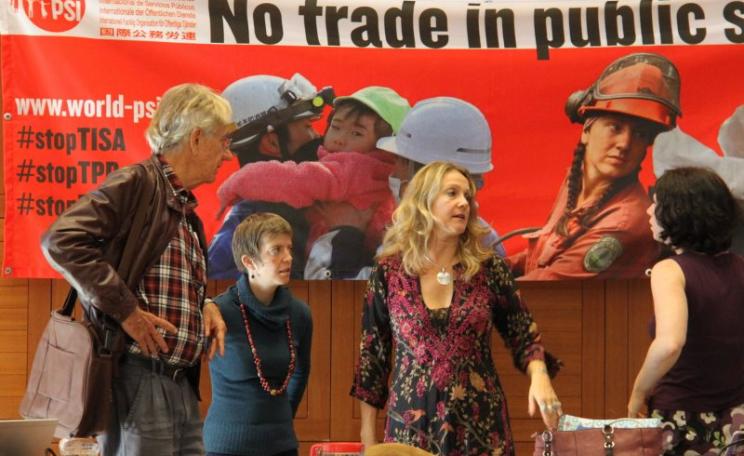
If there's one good thing about Trump, it's that he has put an end to the TPP and TTIP trade deals, right? Don't celebrate yet, writes Pete Dolack. There's another 'trade deal' waiting in the wings, TISA, and negotiators have been busy expanding its remit to include huge parts of TPP and TTIP, while giving free rein to the global behemoths of internet and finance to expand their monopolies.
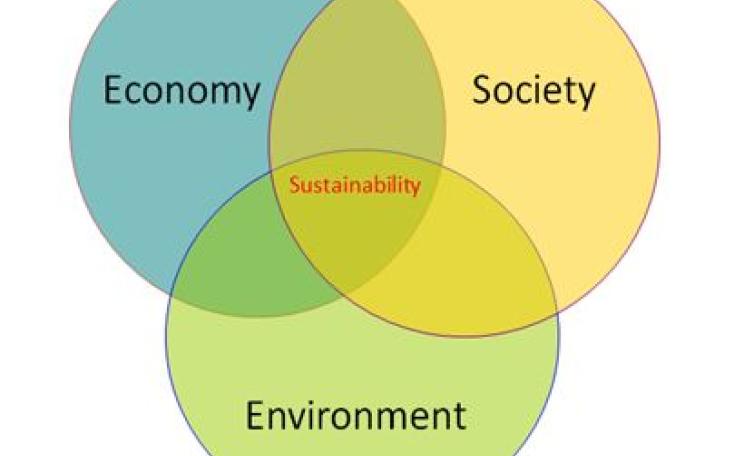
The new Index of Sustainable Economic Growth shows there is a shift to strike a healthier balance between support for the economy, and care for essential social and environmental systems. But can it ever replace GDP as a measure of progress? JAMES CURRAN explores the idea
Global corporations and their lofty princes have outgrown the control of regulators, politicians and society, writes George Feiger. Such is their power that they can extract an ever-growing share of global income, block any moves to limit their freedoms, and loot our future wealth for immediate profit. The first step to regaining control is to keep private money firmly out of politics.
The nuclear industry faces an uncertain future as the reactor building boom is struck by unexpected costs, serious technical problems, and long, expensive delays, writes Paul Brown. Meanwhile renewables like wind and solar are offering investors an enviable combination of falling cost, low risk, fast build times, predictable returns and minimal long term liabilities.
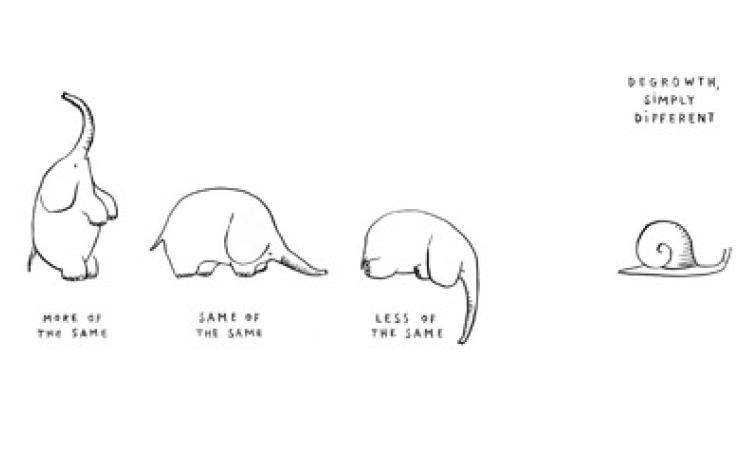
Ecological Economist FEDERICO DEMARIA was the youngest panellist at a recent House of Commons debate on ‘Degrowth' as a movement gaining traction and now entering the corridors of power. Here's his report on the challenges and tasks ahead
A legacy of lies and covered-up accidents has left nuclear energy with a serious credibility gap, writes Paul Brown. But poor safety is only the beginning of the industry's problems. With 'new improved' reactor designs all running late and way over budget, any nuclear revival can only be sustained at massive, unaffordable taxpayer cost.
As the new year begins, the global clean energy transition is progressing much faster than most people realise, and is probably irreversible, writes Jeremy Leggett. President-elect Trump's prospects of revitalising the US coal industry, and giving the oil and gas industry the expansionist dream ticket it wants, are very low.
What kind of companies is the European Central Bank supporting by buying €46 billion of their bonds under its QE programme? Research by Corporate Europe Observatory reveals a strong preference for oil, gas, tar sands, dirty power generation, armaments, aviation, airports, car makers, motorways, luxury goods and gambling. Our sustainable be future be damned!
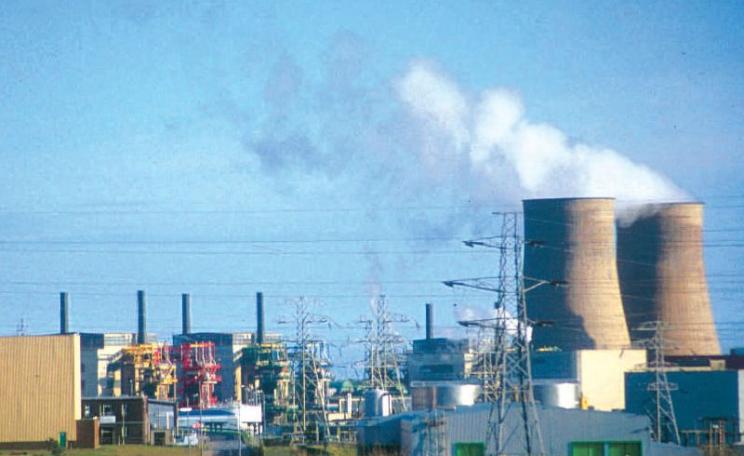
While the government is cutting vital public expenditure across the board there's one industry for which no costs are too great, writes Martin Forwood. The price of an 'evaporator' at the Sellafield nuclear complex is escalating towards £1 billion, while billions more of taxpayer finance are being lined up to finance cooling systems, power lines and transport links for the adjacent Moorside new-build nuclear power plant.
Nuclear giant EDF could be heading towards bankruptcy, writes Paul Brown, as it faces a perfect storm of under-estimated costs for decommissioning, waste disposal and Hinkley C. Meanwhile income from power sales is lagging behind costs, and 17 of its reactors are off-line for safety tests. Yet French and UK governments are turning a blind eye to the looming financial crisis.