On Monday the World Bank's Conference on Land and Poverty begins in the US. But farmer organizations, indigenous groups, trade unions and others denounce the whole exercise as a sham that, in tandem with other Bank initiatives, is all about accelerating corporate land grabs and robbing the poor that the Bank was founded to assist.
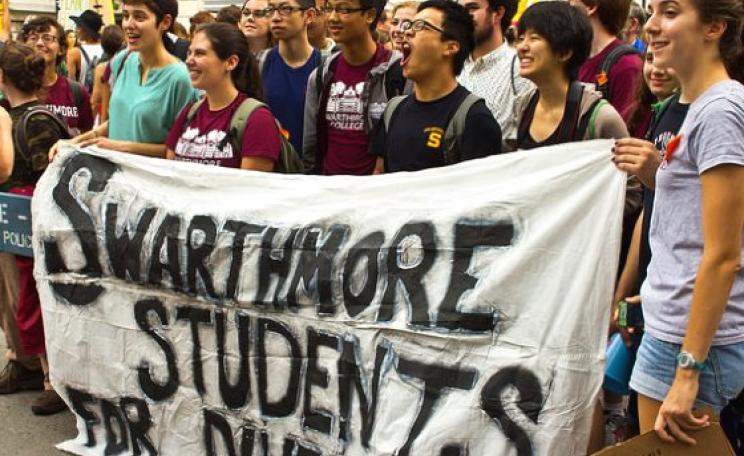
Univerisities' core mission is one of civilization and enlightenment, and that's incompatible with investing in fossil fuels that pose an existential threat to humanity and the planet, writes Cutler J Cleveland. It's is also financially prudent for for them to avoid sinking capital into future 'stranded assets' of unburnable carbon.
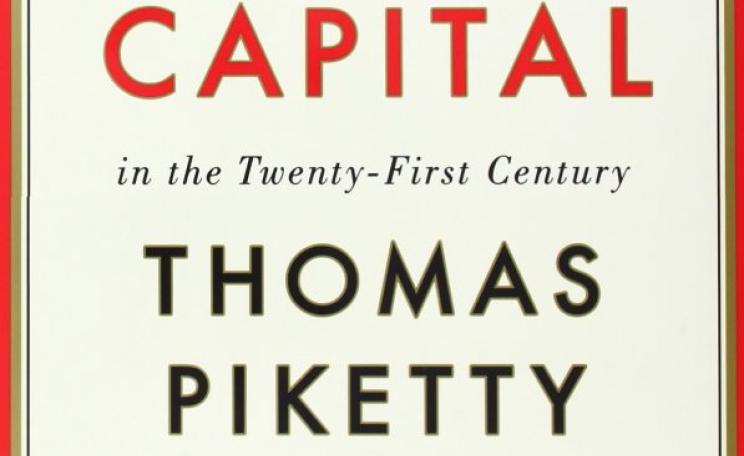
Piketty's 'Capital in the 21st Century' has taken the intellectual world by storm, writes Rupert Read. His analysis of wealth inequality is timely and powerful, but there's one crucial thing he hasn't 'got': that growth must run up against ecological limits - indeed it already has.
Indian coal firm Adani is struggling to finance its proposed mega coal mine in Australia's Galilee Basin, write Marina Lou & Christine Ottery, as promised government support evaporates and a major investor looks set to pull out.
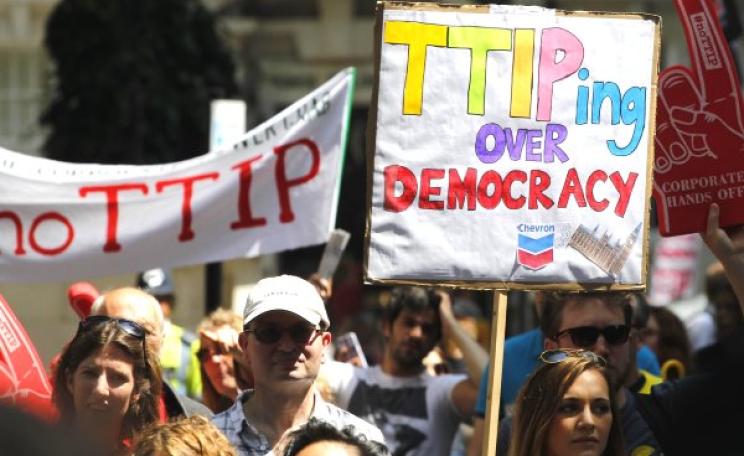
There's only one principle behind TTIP, CETA and other 'free trade' agreements, writes Conor J. Lynch. And no, it's not 'free trade' but 'corporate profit' - at the expense of consumers, taxpayers, environment, workers and democracy itself.
The UK's troubled Hinkley C nuclear power station faces a legal challenge from Germany's biggest energy co-op, which claims that the subsidy package will distort energy markets across Europe and disadvantage renewable generators and vendors.
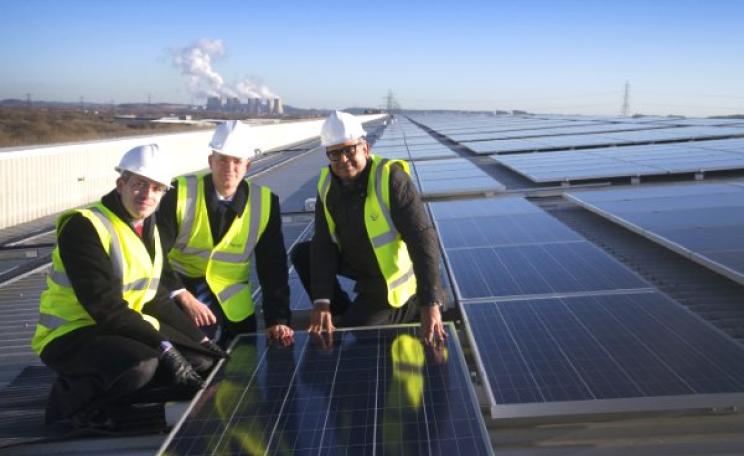
The UK will soon complete a record year for solar installations, almost doubling the nation's solar capacity. But drastic and overtly discriminatory changes to support for renewables may see solar installations collapse to 1% of current levels.
Modern economies depend on growth, writes Giorgos Kallis: the moment it stops, we all get poorer, government tax revenues decline and unemployment rises. So is it possible to have prosperity without growth? Yes it is - and here's how ...
Alaska has put in place a 'citizen's income' paid to every resident by right - their dividend from the state's oil and gas wealth. The principle should be applied everywhere, writes Peter Barnes, compensating us for the enclosure and exploitation of the global commons, our shared inheritance of land, water and sky.
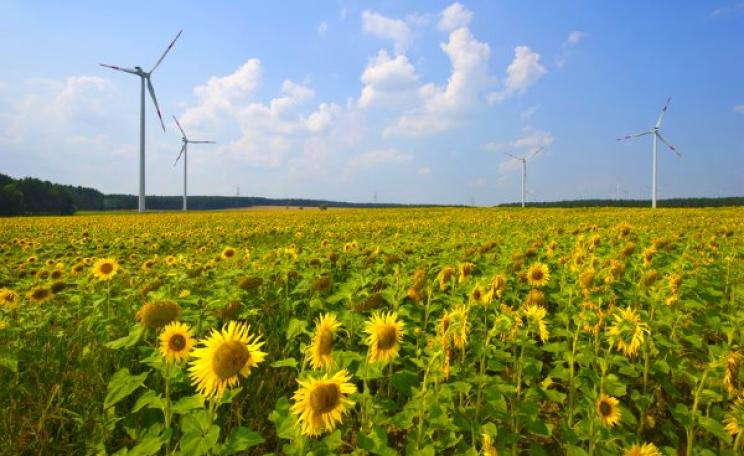
India's renewable power capacity is set to reach 170GW by 2022, write Areeba Hamid & Oliver Tickell - reducing power shortages and bringing electricity to off-grid of rural communities for the first time. But it may also have an unintended consequence - cutting off investment in India's troubled coal sector as prospects for future profitability evaporate..
A powerful call has gone out the the US Export-Import Bank not to finance a massive coal mine, railway, port terminal and dredged 'canal' through Australia's Great Barrier Reef with $1 billion in loans and guarantees.
While mainstream media promulgate a fictitious message of Russian threats in the Baltic, Vladimir Putin's next big play lies far to the south, writes Oliver Tickell. The gross intransigence of the EU, the IMF, the European Central Bank and Germany are forcing Greece into a powerful new economic and energy alliance with Russia that will reshape Europe - and for the better.
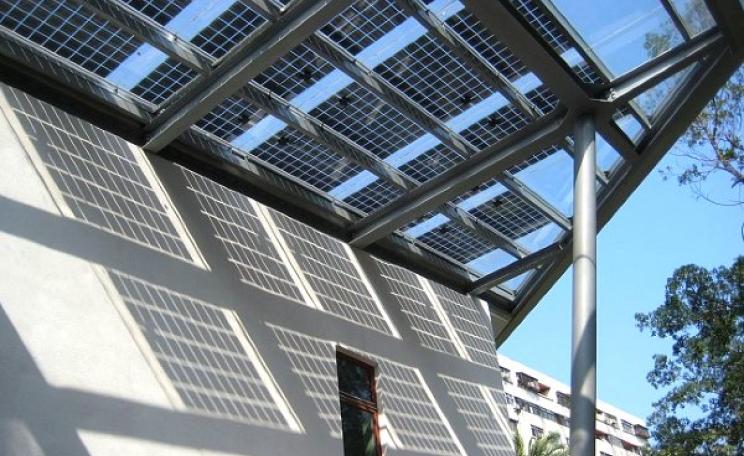
China has now overtaken the European Union as the largest new market for solar power, writes Paul Brown - as solar PV becomes one of the world's fastest growing industries - and one that's sure to keep on getting cheaper!
Current oil price volatility is a symptom of the end of cheap oil, writes Nafeez Ahmed, and it's destablising the entire global economy. The answer is a major shift to renewables - but the the International Energy Agency, which should be leading the transition, is in the grip of nuclear and fossil fuel interests. Instead the leadership must come from us, the people!
Faced with climate change, economic doldrums and collapsing oil prices, the government has the perfect opportunity to put Britain on the right track, write Simon Bullock & Tony Bosworth - reduce our dependency on fossil fuels, and invest in renewables and efficiency. So what's it actually doing? The exact opposite.