The UK's community energy sector was badly hit by the financial regulator's sudden decision this summer to disallow renewable energy co-operatives, writes Tammy Calvert. A consultation on the topic ends tomorrow, Friday - so get your views in quickly while you can!
The president of the World Bank has promised to back out of financing coal developments, and instead target its finance at 'every dimension of renewable energy' under a new climate-friendly strategy.
EDF has already moved heavy earth moving gear onto the Hinkley C nuclear power station construction site, writes Doug Parr - but that doesn't mean it's a done deal. On the contrary, a host of intractable problems are coming home to roost, and the increasingly troubled project is looking shakier than ever.
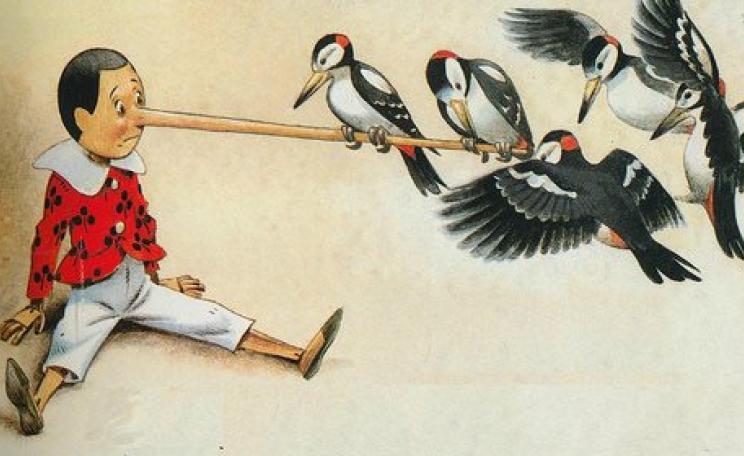
Who has the longest nose of them all? Worthy winners of France's fiercely contested 'Prix Pinocchio' 2014 were selected last night, recognising corporate greed, hypocrisy and malfeasance, based on a record vote since the awards began.
Farming today is well on the way to becoming a wholly owned subsidiary of the agro-chemical-biotech industry, writes Colin Tudge. Defra and the European Commission are all too keen to make it so, reflecting the interests of an agro-oligarchy obsessed with profits and growth at all costs. But there is an alternative. Join the 'real farming' agrarian renaissance ...
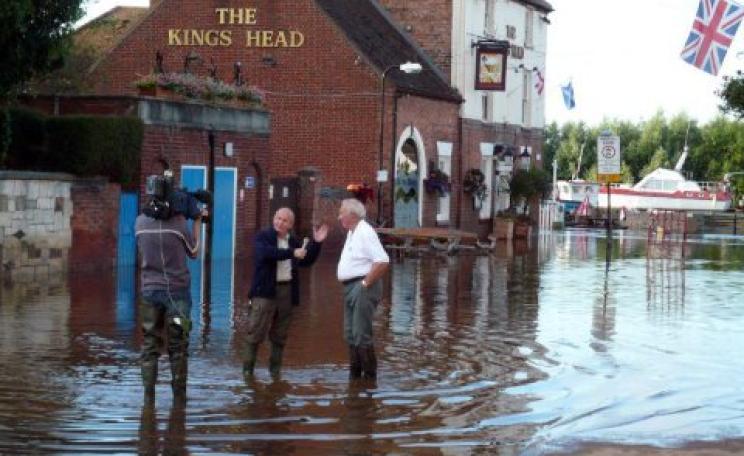
Such is the Government's neglect of our flood defences, revealed by a National Audit Office report, that they are failing to even keep pace with climate change, writes Guy Shrubsole. That alone is a national disgrace - but most shameful is that current expenditures mostly benefit the wealthy, while poor communities are neglected.
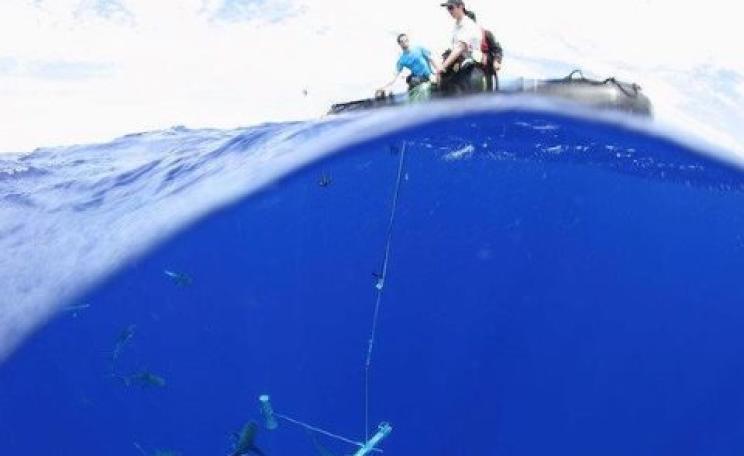
In 2003 nations pledged to place 20-30% of the world's oceans into no-take marine parks, writes Jessica Meeuwig - but more than ten years on, such areas now cover just 1% of ocean area. Now the World Parks Congress in Sydney, Australia, provides an opportunity to drive marine protection forward, and benefit both ecology and economy.
Despite promises to phase out subsidies to the coal, oil and gas industries, a new report G20 governments are still providing them with massive financial help, writes Alex Kirby. The UK alone is spending over £1.2 billion per year to support fossil fuel exploration and production at home and abroad.
A year ago Typhoon Haiyan, one of the strongest tropical cyclones ever recorded, struck central Philippines leaving tens of thousands of people dead and missing, millions homeless and livelihoods destroyed. Today climate-affected communities worldwide are demanding change.
The IPCC's 'synthesis report' makes a good scientific case on climate change and the need for action, writes Roger Jones. But its economics are weak, especially when it comes to the costs of inaction. And nowhere does it set out the core truth - that the alternative to swift, effective action is to create a hellish, dystopian world for our descendants to endure.
The UK and 13 other EU trade ministers have written to the European Commission's new head imploring him to include secret, much criticised investor protections in the controversial TTIP, the EU-US trade and investment deal, writes Jurgen Maier. Is this a democratic snub too far?
Fossil fuel companies are a risky investment thanks to the 2.8 trillion tonnes of 'unburnable' carbon in their reserves, writes Franklin Ginn. But there's an even stronger reason to support fossil fuel divestment: to erode their political power, which they use to block progress to a sustainable, low carbon future.
Hinkley C's subsidy package may have won European Commission approval - but now it faces a National Audit Office 'value for money' investigation, following a demand from a powerful Parliamentary committee.
The TTIP - a massive trade and investment deal under negotiation between the US and the EU - could be the end of democracy as we know it, writes Morton Thaysen, as corporate rights will supplant those of ciizens and elected governments. Join a global day of action today!
The green dream of being a small farmer producing high quality, organic food for local people has ended up being anything but for Alicia Miller. The problem is money - there's never enough of it. But she's not alone. All over the world, life is a financial struggle for small, ethical cultivators, and constant source of stress.